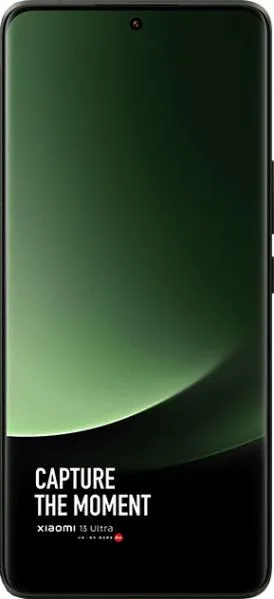
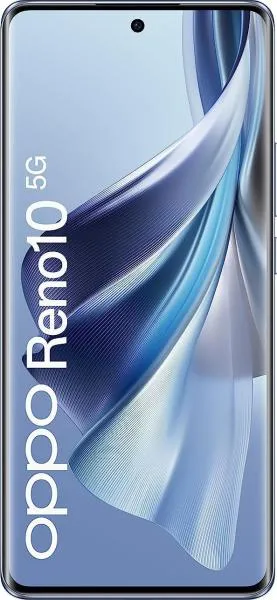
1. Specifications Comparison
| Feature | Xiaomi 13 Ultra | Oppo Reno10 | Practical Impact |
|---|---|---|---|
| Design | |||
| Dimensions (mm) | 163.2 x 74.6 x 9.1 | 162.4 x 74.2 x 8.0 | Xiaomi is slightly larger and thicker. |
| Weight (g) | 227 | 185 | Oppo is significantly lighter, more comfortable for extended use. |
| Build | Material specifications missing for both, limiting comparison. | ||
| Display | |||
| Size (inches) | 6.73 | 6.7 | Negligible size difference. |
| Resolution | 1440 x 3200 | 1080 x 2412 | Xiaomi offers much sharper visuals due to higher resolution (QHD+ vs. FHD+). Impacts image clarity, text sharpness, and overall viewing experience. |
| Type | LTPO AMOLED | AMOLED | Both offer vibrant colors and deep blacks. Xiaomi's LTPO panel allows for dynamic refresh rate adjustment (1-120Hz), saving battery while maintaining smooth scrolling when needed. |
| Peak Brightness (nits) | 2600 | 950 | Xiaomi's display is significantly brighter, ensuring better visibility outdoors and in bright conditions. |
| Performance | |||
| Chipset | Snapdragon 8 Gen 2 | Dimensity 7050 | Xiaomi features a flagship-level processor, offering significantly better performance in demanding tasks like gaming and multitasking. Oppo's mid-range chip is sufficient for everyday use. |
| CPU | Octa-core (up to 3.2 GHz) | Octa-core (up to 2.6 GHz) | Xiaomi's CPU offers higher clock speeds, translating to faster app loading and smoother overall performance. |
| GPU | Adreno 740 | Mali-G68 MC4 | Xiaomi's GPU provides superior graphics performance for gaming and other visually intensive applications. |
| RAM | 12GB | 8GB | Xiaomi offers more RAM, allowing for smoother multitasking and better handling of demanding applications. |
| Camera | |||
| Main Camera | 50MP, 1-inch sensor | 64MP, 1/2-inch sensor | Xiaomi's larger sensor allows for better light capture, resulting in superior low-light performance and potentially better dynamic range. Megapixel count is less critical than sensor size and optics. |
| Telephoto | Leica lens, variable aperture | 32MP | Xiaomi's Leica-branded lens and variable aperture suggest superior image quality and versatility in zoom capabilities. Specific details on Oppo's telephoto capabilities are lacking. |
| Ultrawide | 50MP | 8MP | Xiaomi offers a much higher resolution ultrawide, capturing more detail. Oppo's 8MP ultrawide will likely produce lower quality images. |
| Battery | |||
| Capacity | 5000 mAh | 5000 mAh | Similar battery capacities. Actual battery life depends on various factors including software optimization and display usage. |
| Charging Speed | Charging speeds not provided, limiting comparison. |
2. Key Differences Analysis
Xiaomi 13 Ultra Advantages:
- Superior Performance: Flagship Snapdragon chipset, more RAM for demanding tasks and gaming.
- Higher Quality Display: Sharper resolution, brighter, LTPO technology for better power efficiency.
- Advanced Camera System: Larger sensor, Leica optics, and variable aperture for better image quality.
Oppo Reno10 Advantages:
- Lighter and More Compact: More comfortable for one-handed use and extended periods.
- Lower Price: Significantly more affordable.
3. User Profiles & Recommendations
Xiaomi 13 Ultra: Users who prioritize top-tier performance, the best possible camera, and a stunning display. Ideal for power users, mobile gamers, photographers, and videographers.
Oppo Reno10: Users seeking a stylish, lightweight phone for everyday use with a good balance of features and affordability. Suitable for casual users who prioritize value and comfortable handling.
4. Decision Framework
Key Questions for Buyers:
- What is your budget? The Xiaomi is significantly more expensive.
- What are your primary use cases? (e.g., gaming, photography, social media)
- Do you prioritize performance or portability?
My Choice: Xiaomi 13 Ultra
While the Oppo Reno10 offers excellent value, the Xiaomi 13 Ultra is the clear winner for me. I prioritize performance, camera quality, and display quality above all else. The Snapdragon 8 Gen 2, combined with the impressive camera system (especially the 1-inch sensor and Leica lens), makes it a compelling device. The superior display further solidifies its position as a top-tier flagship. I am willing to accept the slightly larger size and higher price for the significant advantages in performance and user experience it offers. The LTPO display technology also mitigates battery concerns associated with high-resolution screens. While the Oppo is a good phone for its price point, it doesn't offer the cutting-edge experience I'm looking for.
