1. Specifications Comparison
| Feature | Xiaomi 13 Ultra | Nothing Phone (2) | Practical Impact |
|---|---|---|---|
| Design | |||
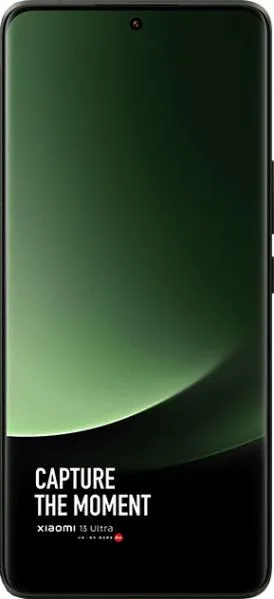
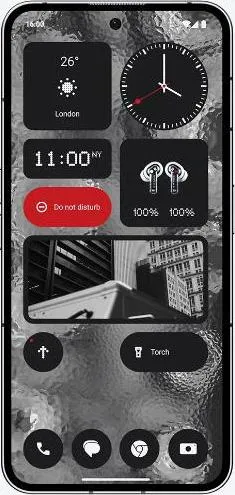
| Dimensions (mm) | 163.2 x 74.6 x 9.1 | 162.1 x 76.4 x 8.6 | Xiaomi 13 Ultra is slightly taller and thicker but narrower. Negligible difference in everyday use. |
| Weight (g) | 227 | 201.2 | Xiaomi 13 Ultra is noticeably heavier, potentially impacting one-handed use. |
| Build Materials | Missing | Missing | Cannot compare build quality and durability. |
| Display | |||
| Size (inches) | 6.73 | 6.7 | Negligible difference in screen real estate. |
| Resolution | 1440 x 3200 | 1080 x 2412 | Xiaomi 13 Ultra has a significantly sharper display, noticeable in text clarity and image detail. |
| Panel Type | LTPO AMOLED | LTPO OLED | Both offer excellent contrast and power efficiency due to LTPO. Xiaomi's AMOLED potentially offers slightly better color accuracy. |
| Refresh Rate | 120Hz | 120Hz | Both offer smooth scrolling and animations. |
| Peak Brightness | 2600 nits | 1600 nits | Xiaomi 13 Ultra is significantly brighter, improving outdoor visibility. |
| Performance | |||
| Chipset | Snapdragon 8 Gen 2 | Snapdragon 8+ Gen 1 | Xiaomi 13 Ultra has a newer, more powerful processor, resulting in faster app loading, smoother multitasking, and better gaming performance. |
| CPU | Octa-core (1x3.2 GHz Cortex-X3 & ...) | Octa-core (1x3.0 GHz Cortex-X2 & ...) | Xiaomi 13 Ultra's CPU offers a slight performance advantage due to newer core architecture. |
| GPU | Adreno 740 | Adreno 730 | Xiaomi 13 Ultra's GPU provides better graphics performance, beneficial for demanding games. |
| RAM | 12GB | 8/12GB | Xiaomi 13 Ultra offers more RAM in this comparison, leading to better multitasking and less frequent app reloading. |
| Camera | |||
| Rear Camera | 50MP Quad Camera System with Leica optics | 50MP Dual Camera | Xiaomi 13 Ultra boasts a more versatile camera system with a dedicated telephoto and periscope lens, offering superior zoom capabilities and image quality. Leica collaboration suggests advanced color science. |
| Front Camera | 32MP | 32MP | Resolution is similar, detailed comparison requires analysis of sensor size and aperture, which are missing for the Xiaomi front camera. |
| Video Recording | Up to 8K@24fps | Up to 4K@60fps | Xiaomi 13 Ultra supports higher resolution video recording. |
| Battery | |||
| Capacity | 5000 mAh | 4700 mAh | Xiaomi 13 Ultra has a slightly larger battery, potentially resulting in longer battery life. Actual battery life depends on usage patterns and optimization. |
| Charging Speed | Missing | Missing | Cannot compare charging speeds. |
2. Key Differences Analysis
Xiaomi 13 Ultra Advantages:
- Superior Display: Sharper, brighter, potentially better color accuracy.
- More Powerful Performance: Newer chipset, faster CPU and GPU, more RAM.
- More Versatile Camera System: Quad camera with Leica optics, superior zoom and image quality, 8K video recording.
- Larger Battery: Potentially longer battery life.
Nothing Phone (2) Advantages:
- Lighter and More Compact: Easier for one-handed use.
- Lower Price: Significantly more affordable.
3. User Profiles & Recommendations
Xiaomi 13 Ultra: Ideal for users who prioritize top-tier performance, the best possible camera system, a stunning display, and are willing to pay a premium price. Suitable for demanding tasks like mobile gaming, professional photography/videography, and content creation.
Nothing Phone (2): Ideal for users who seek a stylish, well-rounded smartphone with good performance at a more affordable price. Suitable for everyday tasks, social media, casual photography, and moderate gaming.
4. Decision Framework
Key Questions for Buyers:
- What is your budget? The Xiaomi 13 Ultra is significantly more expensive.
- What are your primary smartphone usage patterns? Do you require the absolute best camera and performance, or is a good all-around experience sufficient?
- How important are factors like weight and one-handed usability? The Xiaomi 13 Ultra is noticeably heavier.
My Choice: Xiaomi 13 Ultra
While the Nothing Phone (2) offers excellent value, I would choose the Xiaomi 13 Ultra. The significantly superior display, more powerful performance, incredibly versatile camera system with Leica collaboration, and larger battery are compelling advantages for me. I prioritize these features and am willing to pay the premium for the best possible mobile experience. The extra weight is a minor trade-off for the substantial gains in other areas. I frequently use my phone for photography, videography, and demanding tasks, making the 13 Ultra a better fit for my needs. However, I acknowledge that for many users, the Nothing Phone (2) provides a compelling balance of features and price.
