1. Specifications Comparison
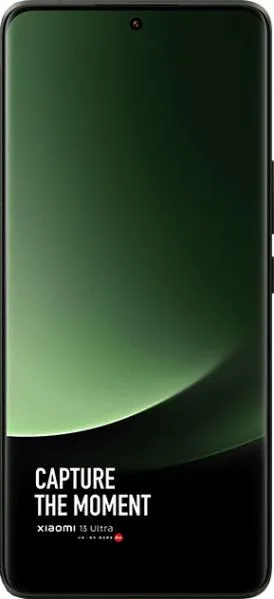
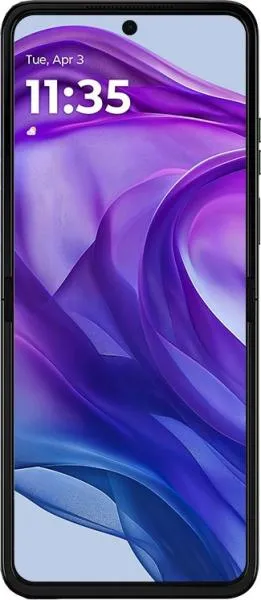
| Feature | Xiaomi 13 Ultra | Motorola Razr 50 Ultra | Practical Impact |
|---|---|---|---|
| Design | |||
| Dimensions (mm) | 163.2 x 74.6 x 9.1 | 171.4 x 74 x 7.1 | Razr 50 Ultra is taller and significantly thinner due to its foldable design, but wider when unfolded. Xiaomi 13 Ultra is thicker and heavier. |
| Weight (g) | 227 | 189 | Xiaomi 13 Ultra feels more substantial, Razr 50 Ultra is more portable. |
| Foldable | No | Yes | Razr 50 Ultra offers greater portability when folded; Xiaomi 13 Ultra provides a more traditional smartphone experience. |
| Display | |||
| Display Size (inches) | 6.73 | 6.9 | Both offer large screens for immersive content consumption. Razr's slightly larger size is noticeable but not dramatically different. |
| Resolution | 1440 x 3200 | 1080 x 2640 | Xiaomi 13 Ultra has a significantly sharper display (522 ppi vs 413 ppi), resulting in crisper text and images. |
| Refresh Rate (Hz) | 120 | 165 | Razr 50 Ultra offers smoother animations and scrolling with its higher refresh rate, especially noticeable in gaming and fast-paced content. |
| Display Type | LTPO AMOLED | Foldable LTPO AMOLED | Both use AMOLED technology for vibrant colors and deep blacks, but Razr 50 Ultra's foldable display introduces a crease and potential durability concerns. Xiaomi 13 Ultra using LTPO allows for dynamic refresh rate adjustment to save battery. |
| Peak Brightness (nits) | 2600 | 3000 | Razr 50 Ultra can get brighter, improving outdoor visibility. |
| Performance | |||
| Chipset | Snapdragon 8 Gen 2 | Snapdragon 8+ Gen 1 | Xiaomi 13 Ultra has a newer, more powerful processor, leading to faster performance in demanding tasks and potentially better efficiency. |
| CPU | Octa-core (1x3.2 GHz Cortex-X3 & 2x2.8 GHz Cortex-A715 & 2x2.8 GHz Cortex-A710 & 3x2.0 GHz Cortex-A510) | Octa-core (1x3.0 GHz Cortex-X4 & 4x2.8 GHz Cortex-A720 & 3x2.0 GHz Cortex-A520) | Xiaomi's CPU configuration, while using a slightly older architecture, benefits from higher clock speeds on the performance cores, offering a potential advantage in demanding tasks. |
| GPU | Adreno 740 | Adreno 735 | Xiaomi 13 Ultra's GPU is more powerful, offering better gaming performance and smoother graphics rendering. |
| RAM (GB) | 12 | 12 | Both have ample RAM for multitasking. |
| Camera | |||
| Main Camera (MP) | 50 (1-inch sensor) | 50 | Xiaomi 13 Ultra boasts a much larger main camera sensor (1-inch), enabling superior low-light performance and greater depth of field control. |
| Telephoto | Variable 3.2x - 5x optical zoom | 2x Optical Zoom | Xiaomi 13 Ultra offers significantly more versatile telephoto capabilities. |
| Battery | |||
| Capacity (mAh) | 5000 | 4000 | Xiaomi 13 Ultra has a larger battery, likely resulting in longer battery life. |
2. Key Differences Analysis
Xiaomi 13 Ultra Advantages:
- Superior Camera: Significantly larger sensor, more versatile zoom capabilities.
- Higher Resolution Display: Sharper and more detailed visuals.
- More Powerful Performance: Newer chipset and GPU for smoother and faster operation.
- Larger Battery: Potentially longer battery life.
Motorola Razr 50 Ultra Advantages:
- Foldable Design: Enhanced portability and unique form factor.
- Higher Refresh Rate Display: Smoother scrolling and animations.
- Lighter and Thinner (when folded): Easier to carry and pocket.
- Lower Price: More affordable option.
Trade-offs:
- Razr 50 Ultra: Foldable design sacrifices battery capacity, display sharpness, and camera quality for portability.
- Xiaomi 13 Ultra: Larger size and weight for increased performance and battery life.
3. User Profiles & Recommendations
Xiaomi 13 Ultra: Ideal for power users, photographers, and videographers who prioritize performance, camera quality, and battery life. Excellent for demanding tasks, gaming, and content creation.
Motorola Razr 50 Ultra: Suitable for users who prioritize portability and style above all else. Best for those who value a compact phone that easily fits in pockets and bags.
4. Decision Framework
Key Questions:
- How important is portability? If ultimate portability is paramount, the Razr 50 Ultra's foldable design is a significant advantage.
- What is your budget? The Razr 50 Ultra is more affordable.
- What are your primary use cases? For photography, demanding tasks, and long battery life, the Xiaomi 13 Ultra excels. For casual use, social media, and portability, the Razr 50 Ultra is sufficient.
My Choice: Xiaomi 13 Ultra
While the Razr 50 Ultra's foldable design is intriguing, the Xiaomi 13 Ultra's superior camera system, significantly sharper display, more powerful performance, and larger battery are more compelling to me. I prioritize image quality, a smooth user experience, and long battery life, making the Xiaomi 13 Ultra the better choice for my needs. I am willing to accept the larger size and weight for these advantages. The price difference is significant, but the Xiaomi 13 Ultra provides a substantial leap in key areas that I value.
