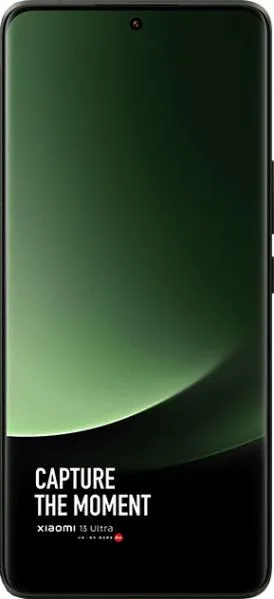
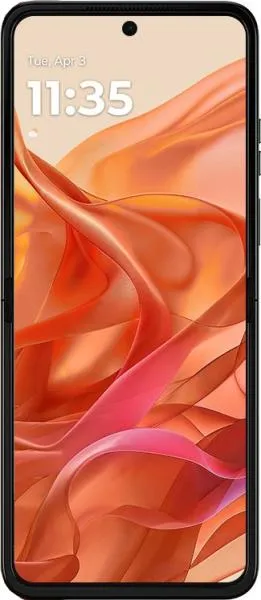
1. Specifications Comparison
| Feature | Xiaomi 13 Ultra | Motorola Razr 50 | Practical Impact |
|---|---|---|---|
| Design | |||
| Dimensions (mm) | 163.2 x 74.6 x 9.1 | 171.3 x 74 x 7.3 | Razr 50 is taller and significantly thinner due to its foldable design, potentially more pocketable but less ergonomic for one-handed use. |
| Weight (g) | 227 | 188.4 | Razr 50 is lighter despite larger display, improving portability. |
| Foldable | No | Yes | Razr 50 offers a compact folded state for portability, transforming into a larger screen when unfolded. |
| Display | |||
| Size (inches) | 6.73 | 6.9 | Razr 50 has a slightly larger display area. |
| Resolution | 1440 x 3200 | 1080 x 2640 | Xiaomi 13 Ultra boasts a significantly sharper display (522 ppi vs 413 ppi), resulting in crisper text and images. |
| Panel Type | LTPO AMOLED | Foldable LTPO AMOLED | Both are AMOLED with LTPO for dynamic refresh rate, enabling power saving. Foldable nature of Razr's screen introduces potential crease visibility. |
| Peak Brightness (nits) | 2600 | 3000 | Razr 50 has a slightly higher peak brightness, potentially improving outdoor visibility. |
| Performance | |||
| Chipset | Snapdragon 8 Gen 2 | Dimensity 7300X | Xiaomi 13 Ultra utilizes a flagship chipset, promising significantly better performance in demanding tasks and gaming compared to the Razr 50's upper mid-range chip. |
| CPU | Octa-core (1x3.2 GHz X3 & 2x2.8 GHz A715 & 2x2.8 GHz A710 & 3x2.0 GHz A510) | Octa-core (4x2.5 GHz A78 & 4x2.0 GHz A55) | Xiaomi 13 Ultra's CPU architecture is more powerful and efficient. |
| GPU | Adreno 740 | Mali-G615 MC2 | Xiaomi 13 Ultra's GPU provides a substantial advantage in graphics processing for gaming and visually intensive applications. |
| RAM | 12GB (reviewed model) | 12GB (reviewed model) | Both have ample RAM for multitasking. |
| Camera | |||
| Main Camera | 50MP, Sony IMX989, 1-inch sensor | 50MP | Xiaomi 13 Ultra boasts a superior main camera with a much larger sensor, promising significantly better low-light performance and dynamic range. |
| Telephoto | Yes, multiple lenses | No dedicated telephoto | Xiaomi 13 Ultra offers optical zoom capabilities absent in the Razr 50. |
| Battery | |||
| Capacity (mAh) | 5000 | 4200 | Xiaomi 13 Ultra has a larger battery, likely resulting in longer battery life. |
| Other | |||
| USB | USB Type-C 3.2 | USB Type-C 2.0 | Xiaomi 13 Ultra offers faster data transfer speeds. |
| Price | High | Medium | Significant price difference, reflecting the premium features of the Xiaomi 13 Ultra. |
2. Key Differences Analysis
Xiaomi 13 Ultra Advantages:
- Significantly superior performance: Snapdragon 8 Gen 2 provides a substantial advantage for demanding tasks and gaming.
- Flagship camera system: Larger sensor, Leica collaboration, and versatile lens setup deliver exceptional image quality.
- Sharper display: Higher resolution offers a noticeably crisper viewing experience.
- Larger battery: Likely translates to longer usage time.
- Faster USB standard: Enables quicker data transfer.
Motorola Razr 50 Advantages:
- Foldable design: Provides unique portability and a larger screen in a compact form factor.
- Lighter weight: Enhances portability compared to the Xiaomi 13 Ultra.
- Lower price: More budget-friendly option.
Trade-offs:
- Razr 50: Compromises performance, camera quality, and battery life for its foldable design and lower price point.
- Xiaomi 13 Ultra: Higher price for premium features, lacks the portability advantage of a foldable design.
3. User Profiles & Recommendations
Xiaomi 13 Ultra: Ideal for users who prioritize performance, camera quality, and a premium viewing experience. Excellent for:
- Mobile photography enthusiasts: The advanced camera system allows for capturing high-quality photos and videos.
- Power users: Demanding tasks, multitasking, and gaming will run smoothly.
- Content consumers: The sharp display enhances the viewing experience for videos and games.
Motorola Razr 50: Best suited for users who prioritize portability and style above all else and are on a tighter budget. Suitable for:
- Users seeking a compact phone: The foldable design makes it highly pocketable.
- Casual users: Primarily using the phone for communication, social media, and light browsing.
- Style-conscious individuals: The unique foldable design makes a statement.
4. Decision Framework
Key Questions:
- What is your budget? The Xiaomi 13 Ultra is significantly more expensive.
- What are your primary smartphone needs? Performance, camera, portability, style?
- How important is long battery life?
Scenario-Based Recommendations:
- Unlimited budget, prioritize performance and camera: Xiaomi 13 Ultra.
- Limited budget, prioritize portability and style: Motorola Razr 50.
- Balanced needs, value for money: Consider other options in the upper mid-range segment.
My Choice: Xiaomi 13 Ultra
While the Razr 50's foldable design is intriguing, the Xiaomi 13 Ultra's superior performance, camera system, and display are more compelling to me. I prioritize a smooth user experience, high-quality photos and videos, and a crisp display for media consumption. The longer battery life is also a significant advantage. I am willing to pay the premium price for the significantly better overall experience offered by the Xiaomi 13 Ultra. The trade-off in portability for superior functionality is acceptable for my needs.
