1. Specifications Comparison
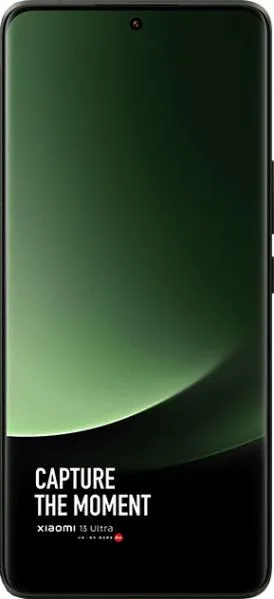
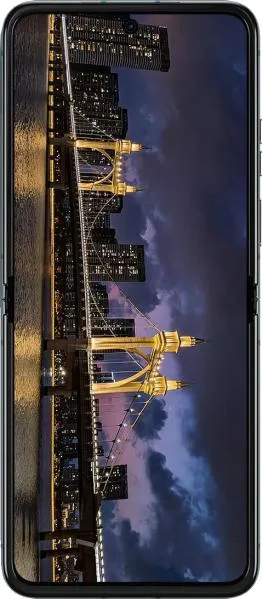
| Feature | Xiaomi 13 Ultra | Motorola Razr 40 Ultra | Practical Impact |
|---|---|---|---|
| Design | |||
| Dimensions (mm) | 163.2 x 74.6 x 9.1 | 170.8 x 74 x 7 | Razr 40 Ultra is significantly thinner when folded, more pocketable, but taller when unfolded. Xiaomi is thicker and heavier. |
| Weight (g) | 227 | 184.5 | Razr 40 Ultra is noticeably lighter, reducing hand fatigue. |
| Foldable | No | Yes | Razr's foldable design offers unique portability and a smaller external display for quick interactions. |
| Display | |||
| Size (inches) | 6.73 | 6.9 (Main), ~3.1 (External) | Razr offers a larger main display but with a lower resolution. External display allows for notifications and basic tasks without unfolding. |
| Resolution (px) | 1440 x 3200 | 1080 x 2640 | Xiaomi boasts a sharper, more detailed display. Razr's lower resolution might be noticeable in direct comparison. |
| Refresh Rate (Hz) | 120 | 165 | Razr's higher refresh rate results in smoother animations and scrolling, especially noticeable in gaming and fast-paced content. |
| Display Type | LTPO AMOLED | LTPO AMOLED | Both offer excellent color accuracy and deep blacks. |
| Peak Brightness (nits) | 2600 | 1400 | Xiaomi's significantly higher peak brightness ensures better visibility outdoors and in bright conditions. |
| Performance | |||
| Chipset | Snapdragon 8 Gen 2 | Snapdragon 8+ Gen 1 | Xiaomi's newer Gen 2 chip offers a performance advantage in demanding tasks and gaming, though both are high-end. |
| CPU | Octa-core (up to 3.2 GHz) | Octa-core (up to 3.19 GHz) | Xiaomi has a slight CPU edge, likely resulting in faster app loading and multitasking. |
| GPU | Adreno 740 | Adreno 730 | Xiaomi's GPU provides a noticeable advantage in graphics-intensive applications and games. |
| RAM (GB) | 12/16 | 8/12 | Xiaomi offers higher RAM configurations, beneficial for heavy multitasking and demanding apps. |
| Camera | |||
| Main Camera (MP) | 50 (Quad Camera System) | 12 (Dual Camera System) | Xiaomi has a significantly more advanced camera system with a larger sensor, variable aperture, and multiple telephoto lenses. |
| Video Recording | Up to 8K@24fps | Up to 4K@60fps | Xiaomi offers higher resolution video recording capabilities. |
| Battery | |||
| Capacity (mAh) | 5000 | 3800 | Xiaomi's larger battery likely translates to longer battery life. Foldable phones often have smaller batteries due to space constraints. |
| USB Version | 3.2 | 2.0 | Xiaomi offers faster data transfer and potentially faster charging speeds, though charging speeds are not specified for either phone. |
2. Key Differences Analysis
Xiaomi 13 Ultra Advantages:
- Superior Camera System: Larger sensor, variable aperture, multiple telephoto lenses offer significantly better image quality and versatility.
- Higher Resolution Display: Sharper and more detailed visuals.
- More Powerful Performance: Newer chipset and GPU deliver a smoother experience for demanding tasks and gaming.
- Larger Battery: Longer battery life.
- Brighter Display: Better outdoor visibility.
Motorola Razr 40 Ultra Advantages:
- Foldable Design: Unique portability and a secondary external display for quick interactions.
- Higher Refresh Rate Display: Smoother scrolling and animations.
- Lighter and More Compact (folded): Easier to carry and pocket.
- Lower Price: Significantly more affordable.
3. User Profiles & Recommendations
Xiaomi 13 Ultra: Ideal for users who prioritize camera quality, performance, and battery life. Best suited for photography enthusiasts, mobile gamers, and power users.
Motorola Razr 40 Ultra: Ideal for users who value portability and a unique form factor above all else. Suitable for those who want a compact phone for easy carrying and appreciate the novelty of a foldable design.
4. Decision Framework
Key Questions for Buyers:
- What is your budget? The Xiaomi is significantly more expensive.
- Is a foldable design a must-have? This is the Razr's primary differentiator.
- What are your priorities? Camera quality, performance, battery life (Xiaomi) vs. portability and unique design (Razr).
My Choice: Xiaomi 13 Ultra
While the Razr 40 Ultra's foldable design is intriguing, the Xiaomi 13 Ultra's superior camera system, performance, battery life, and display quality are more important to me. I prioritize a great overall user experience and these factors contribute significantly to that. The price difference is considerable, but the Xiaomi offers a substantial upgrade in key areas that align with my needs as a power user who values high-quality photos and videos, smooth performance, and long battery life. The Razr's portability advantage is less compelling to me than the Xiaomi's overall superior specifications.
