1. Specifications Comparison
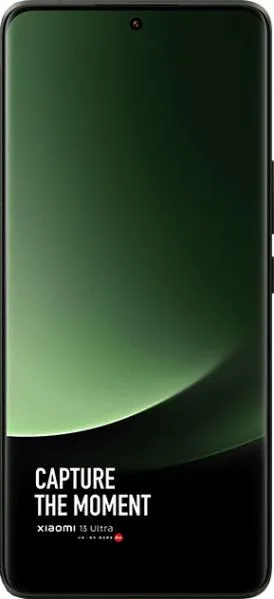
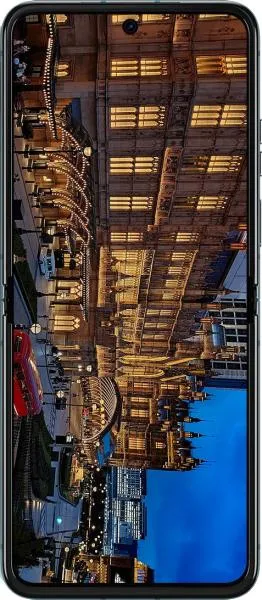
| Feature | Xiaomi 13 Ultra | Motorola Razr 40 | Practical Impact |
|---|---|---|---|
| Design | |||
| Dimensions (mm) | 163.2 x 74.6 x 9.1 | 170.8 x 74 x 7.4 | Razr 40 is significantly thinner when folded, making it more pocketable, but taller when unfolded. |
| Weight (g) | 227 | 188.6 | Razr 40 is noticeably lighter, reducing hand fatigue during extended use. |
| Foldable | No | Yes | Razr 40's foldable design offers a compact form factor when closed and a large screen when open. |
| Build Material | Missing | Missing | Build quality and durability cannot be compared without this information. |
| Display | |||
| Display Size (inches) | 6.73 | 6.9 | Razr 40 offers a slightly larger display area. |
| Resolution | 1440 x 3200 | 1080 x 2640 | Xiaomi 13 Ultra has a significantly sharper display with higher pixel density (522 ppi vs 413 ppi), resulting in crisper text and images. |
| Display Type | LTPO AMOLED | Foldable LTPO AMOLED | Both are AMOLED with excellent color reproduction and deep blacks. LTPO allows for dynamic refresh rate adjustment, saving battery. Razr 40's foldable display introduces a crease but enables unique form factor. |
| Refresh Rate (Hz) | 120 | 144 | Razr 40's higher refresh rate provides smoother animations and scrolling, particularly noticeable in games and fast-paced content. |
| Peak Brightness (nits) | 2600 | 1400 | Xiaomi 13 Ultra gets much brighter, ensuring better visibility outdoors and in direct sunlight. |
| Performance | |||
| Chipset | Snapdragon 8 Gen 2 | Snapdragon 7 Gen 1 | Xiaomi 13 Ultra boasts a flagship processor, offering significantly better performance in demanding tasks like gaming and multitasking. |
| CPU | Octa-core (up to 3.2 GHz) | Octa-core (up to 2.4 GHz) | Xiaomi 13 Ultra's CPU has higher clock speeds, translating to faster processing. |
| RAM | 12GB | 8GB | Xiaomi 13 Ultra has more RAM, enabling smoother multitasking and better performance with memory-intensive applications. |
| Camera | |||
| Main Camera (MP) | 50 | 64 | Megapixel count doesn't tell the whole story; image quality depends on sensor size, aperture, and processing. Xiaomi uses a larger 1-inch sensor. |
| Camera Features | Leica lens, Variable Aperture | OIS, Ultra Stable Video | Both have advanced features; Xiaomi emphasizes professional-grade optics with Leica collaboration, while Razr 40 focuses on stabilization. More detailed sensor specifications are needed for in-depth comparison. |
| Battery | |||
| Capacity (mAh) | 5000 | 4200 | Xiaomi 13 Ultra has a larger battery, potentially offering longer battery life. However, real-world usage depends on factors like display brightness and processor efficiency. |
| Charging Speed | Missing | Missing | Charging speed comparison is not possible without specific data. |
2. Key Differences Analysis
Xiaomi 13 Ultra Advantages:
- Flagship Performance: Significantly more powerful processor and more RAM for demanding tasks.
- Superior Display: Sharper, brighter, and potentially more color accurate.
- Larger Battery: Potentially longer battery life.
- Advanced Camera System: Leica collaboration, larger main sensor suggests higher image quality potential.
Motorola Razr 40 Advantages:
- Foldable Design: Unique form factor, compact when folded.
- Lighter and Thinner: Easier to carry and hold.
- Higher Refresh Rate: Smoother animations and scrolling.
- Lower Price: Offers a more accessible price point.
3. User Profiles & Recommendations
Xiaomi 13 Ultra: Ideal for users who prioritize performance, camera quality, and a bright, sharp display. Best for:
- Power Users: Demanding tasks, gaming, content creation.
- Photography Enthusiasts: Capturing high-quality photos and videos.
Motorola Razr 40: Ideal for users who value portability, a unique design, and a smooth display. Best for:
- Style-Conscious Users: Prioritizing a compact and fashionable device.
- Casual Users: Everyday tasks, social media, web browsing.
4. Decision Framework
Key Questions:
- What is your budget? The Xiaomi 13 Ultra is a high-end flagship, while the Razr 40 is more mid-range.
- What are your performance needs? Do you need top-tier processing power for demanding tasks, or is a mid-range chip sufficient?
- How important is portability? The Razr 40's foldable design offers significant portability advantages.
My Choice: Xiaomi 13 Ultra
While the Razr 40's foldable design is appealing, the Xiaomi 13 Ultra's superior performance, camera system, and display are more important to me. I prioritize a smooth and responsive experience for demanding tasks and high-quality photos and videos. The larger battery is also a plus. I'm willing to pay the premium for the flagship features and accept the slightly larger size and weight. The lack of detailed camera sensor information on the Razr 40 makes a comprehensive camera comparison difficult, but the available data suggests the Xiaomi 13 Ultra has a strong advantage in this area.
