1. Specifications Comparison
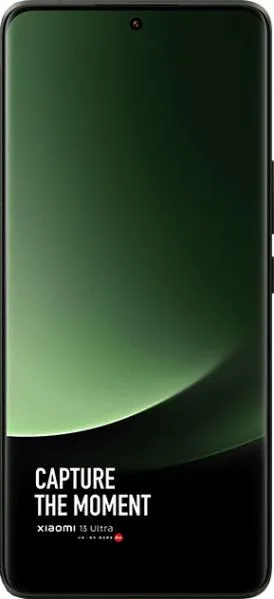
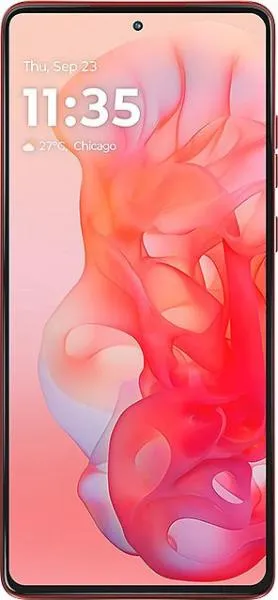
| Feature | Xiaomi 13 Ultra | Motorola Moto G Stylus 5G (2024) | Practical Impact |
|---|---|---|---|
| Design | |||
| Dimensions (mm) | 163.2 x 74.6 x 9.1 | 162.6 x 74.8 x 8.3 | Xiaomi is slightly taller and thicker. Motorola is marginally wider but noticeably thinner. |
| Weight (g) | 227 | 190 | Xiaomi is significantly heavier, potentially impacting one-handed use and pocket comfort. |
| Build Materials | Missing | Missing | Build quality and durability are unknown without material specifications. |
| Display | |||
| Display Type | 6.73" LTPO AMOLED | 6.7" P-OLED | Xiaomi's LTPO AMOLED offers better power efficiency and potentially higher peak brightness. |
| Resolution | 1440 x 3200 | 1080 x 2400 | Xiaomi's display is significantly sharper, resulting in crisper text and images. |
| Refresh Rate | 120Hz | 120Hz | Both offer smooth scrolling and animations. |
| Peak Brightness | 2600 nits | 1200 nits | Xiaomi's display is much brighter, improving outdoor visibility. |
| Color Depth | 68B | 1B | Xiaomi offers a wider color gamut for more vibrant and accurate colors. |
| Performance | |||
| Chipset | Snapdragon 8 Gen 2 | Snapdragon 6 Gen 1 | Xiaomi offers significantly faster processing speeds, enabling smoother multitasking and demanding gaming. |
| CPU | Octa-core (1x3.2 GHz Cortex-X3 & 2x2.8 GHz Cortex-A715 & 2x2.8 GHz Cortex-A710 & 3x2.0 GHz Cortex-A510) | Octa-core (4x2.2 GHz Cortex-A78 & 4x1.8 GHz Cortex-A55) | Xiaomi's CPU architecture provides a substantial performance advantage in complex tasks. |
| GPU | Adreno 740 | Adreno 710 | Xiaomi offers superior graphics performance for demanding games and applications. |
| RAM | 12GB | 8GB | Xiaomi provides more RAM for smoother multitasking and background app management. |
| Camera | |||
| Main Camera | 50MP, f/1.9, 1" Sony IMX989 | 50MP, f/1.8, 1/1.56" Sony LYT-700C | Xiaomi features a significantly larger sensor, potentially capturing more light and detail, especially in low-light conditions. Leica lens partnership suggests superior image quality tuning for Xiaomi. |
| Additional Cameras | 50MP Ultrawide, 50MP Telephoto (3.2x & 5x) | 13MP ultrawide | Xiaomi offers significantly more versatile camera options with higher resolution telephoto capabilities. |
| Battery | |||
| Capacity | 5000 mAh | 5000 mAh | Both have the same battery capacity, but real-world battery life depends on optimization and usage patterns. Given the Xiaomi's more powerful processor and brighter display, it might consume more power. |
| Charging Speed | Missing | Missing | Charging speed comparison is impossible without specific charging wattage information. |
2. Key Differences Analysis
Xiaomi 13 Ultra Advantages:
- Flagship Performance: The Snapdragon 8 Gen 2 and ample RAM deliver top-tier performance for demanding tasks and gaming.
- Superior Display: Brighter, sharper, and more color-accurate display significantly enhances the viewing experience.
- Advanced Camera System: Larger sensor, Leica collaboration, and versatile telephoto lenses offer a significant photographic advantage.
Motorola Moto G Stylus 5G (2024) Advantages:
- Lower Price: Significantly more affordable, offering good value for its features.
- Lighter and Thinner: More comfortable for one-handed use and pocket portability.
- Stylus Support: Offers unique note-taking and drawing capabilities (stylus functionality details missing).
3. User Profiles & Recommendations
Xiaomi 13 Ultra: Ideal for power users, photographers, and videographers who demand the best performance, display, and camera capabilities. Excellent for mobile gaming, content creation, and consuming media.
Motorola Moto G Stylus 5G (2024): Suitable for budget-conscious users, students, and those who prioritize note-taking or drawing with a stylus. Good for everyday tasks, social media, and light gaming.
4. Decision Framework
Key Questions for Buyers:
- What is your budget? The Xiaomi is a premium flagship, while the Motorola offers mid-range affordability.
- What are your performance needs? The Xiaomi excels in demanding tasks, while the Motorola is sufficient for everyday use.
- How important is camera quality? The Xiaomi offers a substantial camera advantage.
Scenario-Based Recommendations:
- Unlimited Budget, Best Performance: Xiaomi 13 Ultra
- Budget-Conscious, Note-Taker: Motorola Moto G Stylus 5G (2024)
- Balance of Performance and Price: Consider other options not listed here, as the gap between these two phones is significant.
My Choice: Xiaomi 13 Ultra
While significantly more expensive, the Xiaomi 13 Ultra offers a compelling combination of top-tier performance, a stunning display, and a truly advanced camera system. The superior image quality, especially in challenging conditions, along with the future-proof performance provided by the Snapdragon 8 Gen 2, justifies the higher price for my needs. I prioritize a smooth, responsive user experience and high-quality media consumption, making the Xiaomi the clear winner. The Motorola's stylus is a unique feature, but its overall performance and camera capabilities are not compelling enough to sway my decision.
