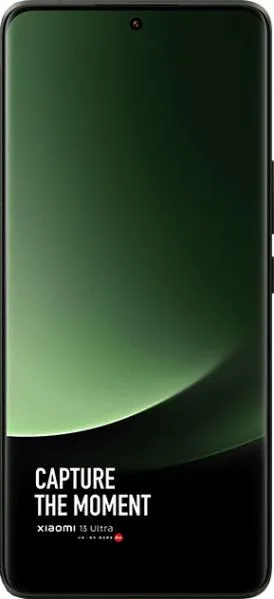
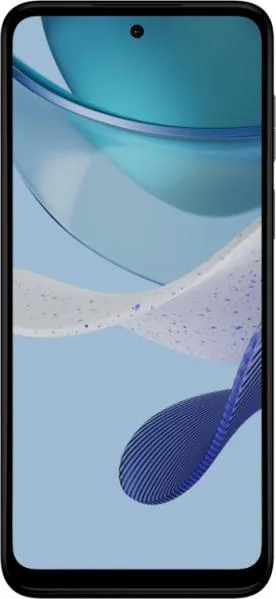
1. Specifications Comparison
| Feature | Xiaomi 13 Ultra | Motorola Moto G (2023) | Practical Impact |
|---|---|---|---|
| Design | |||
| Dimensions (mm) | 163.2 x 74.6 x 9.1 | 164 x 75 x 8.4 | Xiaomi is slightly smaller and thinner. Negligible difference in everyday use. |
| Weight (g) | 227 | 189 | Moto G is noticeably lighter, reducing hand fatigue during extended use. |
| Build | Material specifications missing for both phones, limiting comparison. | ||
| Display | |||
| Size (inches) | 6.73 | 6.5 | Xiaomi offers a slightly larger screen for more immersive content consumption. |
| Resolution | 1440 x 3200 | 720 x 1600 | Xiaomi's significantly higher resolution (QHD+ vs HD+) delivers sharper text, images, and videos. |
| Display Type | LTPO AMOLED | IPS LCD | Xiaomi's AMOLED offers superior contrast, deeper blacks, and potentially better power efficiency due to LTPO. |
| Refresh Rate (Hz) | 120 | 120 | Both phones offer smooth scrolling and animations thanks to the 120Hz refresh rate. |
| Peak Brightness | 2600 nits | Unspecified | Xiaomi's exceptionally high peak brightness ensures excellent outdoor visibility. Missing Moto G spec limits comparison. |
| Performance | |||
| Chipset | Snapdragon 8 Gen 2 | Snapdragon 480+ 5G | Xiaomi's flagship processor offers significantly faster performance for demanding tasks, gaming, and multitasking. |
| CPU | Octa-core (up to 3.2 GHz) | Octa-core (up to 2.2 GHz) | Xiaomi's CPU has higher clock speeds and a more powerful architecture, resulting in much faster processing. |
| GPU | Adreno 740 | Adreno 619 | Xiaomi's GPU offers considerably better graphics performance for gaming and visually intensive applications. |
| RAM | 12/16 GB | 4 GB | Xiaomi offers significantly more RAM, enabling smoother multitasking and better handling of demanding applications. |
| Camera | |||
| Rear Camera | 50MP Quad Camera | 48MP + 2MP Dual Camera | Xiaomi features a more versatile camera system with higher resolution sensors, Leica collaboration, and advanced features like variable aperture. |
| Video Recording | Up to 8K@24fps | Up to 1080p@30fps | Xiaomi allows for much higher resolution video recording with more advanced features like HDR and EIS. |
| Battery | |||
| Capacity (mAh) | 5000 | 5000 | Both phones have the same battery capacity, but real-world battery life depends on optimization and usage. |
| Charging Speed | Unspecified | Unspecified | Missing specifications for both phones limit charging speed comparison. |
2. Key Differences Analysis
Xiaomi 13 Ultra Advantages:
- Flagship Performance: Significantly faster processor, GPU, and more RAM for a smoother and more responsive experience.
- Superior Display: Higher resolution, AMOLED technology, and exceptional brightness for a vastly improved visual experience.
- Advanced Camera System: More versatile camera setup with higher resolution, Leica collaboration, and advanced features.
Motorola Moto G (2023) Advantages:
- Lighter Weight: Noticeably lighter, making it more comfortable for one-handed use and extended periods.
- Lower Price: Significantly more affordable, offering a budget-friendly option for basic smartphone needs.
3. User Profiles & Recommendations
Xiaomi 13 Ultra: Ideal for users who prioritize performance, a premium display, advanced camera features, and are willing to pay a premium price. Suitable for demanding tasks like gaming, content creation, and professional photography/videography.
Motorola Moto G (2023): Ideal for budget-conscious users who prioritize basic communication, web browsing, and casual media consumption. Suitable for users who need a reliable phone without demanding high performance or advanced features.
4. Decision Framework
Key Questions for Buyers:
- What is your budget? The Xiaomi is a high-end flagship, while the Moto G is a budget-friendly option.
- What are your primary use cases? Demanding tasks vs. basic communication and web browsing.
- How important are display quality and camera performance? The Xiaomi excels in these areas.
My Choice: Xiaomi 13 Ultra
While significantly more expensive, the Xiaomi 13 Ultra offers a vastly superior user experience across the board. Its flagship performance, stunning display, and advanced camera system cater to my needs for demanding tasks, mobile gaming, and high-quality media consumption. The Moto G, while budget-friendly, compromises too much on performance and key features for my personal preferences. The weight difference, while notable, isn't a significant factor for me compared to the overall performance and feature set.
