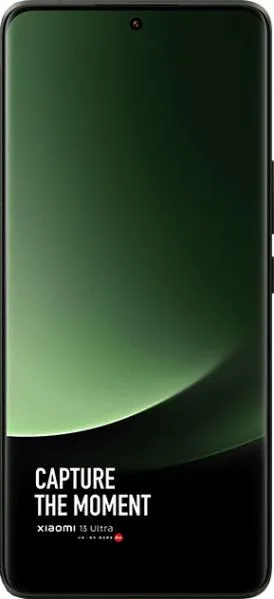
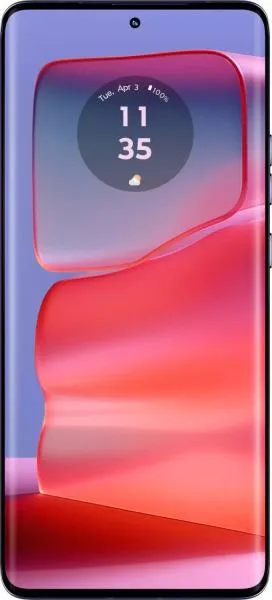
1. Specifications Comparison
| Feature | Xiaomi 13 Ultra | Motorola Edge 50 Pro | Practical Impact |
|---|---|---|---|
| Design | |||
| Dimensions (mm) | 163.2 x 74.6 x 9.1 | 161.2 x 72.4 x 8.2 | Xiaomi is slightly larger and thicker. Motorola feels noticeably lighter and more pocketable due to significant weight difference. |
| Weight (g) | 227 | 186 | |
| Build | Material specifications missing for both phones. Durability and premium feel cannot be assessed. | ||
| Display | |||
| Display Type | 6.73" LTPO AMOLED | 6.7" P-OLED | Both offer excellent contrast and deep blacks. Xiaomi's LTPO allows for dynamic refresh rate, saving battery. Motorola's 144Hz offers smoother scrolling and gaming experience. |
| Resolution | 1440 x 3200 | 1220 x 2712 | Xiaomi's higher resolution display provides sharper text and images. The difference may not be noticeable for all users in everyday use. |
| Peak Brightness | 2600 nits | 2000 nits | Xiaomi offers superior outdoor visibility in direct sunlight. |
| Refresh Rate | 120Hz (adaptive) | 144Hz | |
| Performance | |||
| Chipset | Snapdragon 8 Gen 2 | Snapdragon 7 Gen 3 | Xiaomi offers significantly faster CPU and GPU performance, beneficial for demanding tasks and gaming. Motorola uses a mid-range chip focusing on efficiency. |
| CPU | Octa-core (1x3.2 GHz Cortex-X3 & 2x2.8 GHz Cortex-A715 & 2x2.8 GHz Cortex-A710 & 3x2.0 GHz Cortex-A510) | Octa-core (1x2.63 GHz Cortex-A715 & 4x2.4 GHz Cortex-A715 & 3x1.8 GHz Cortex-A510) | |
| GPU | Adreno 740 | Adreno 720 | |
| RAM | 12GB | 12GB | Both offer ample RAM for multitasking. |
| Camera | |||
| Main Camera | 50MP, 1" Sony IMX989 | 50MP | Xiaomi boasts a significantly larger sensor, promising superior low-light performance and dynamic range. Information on Motorola's sensor is missing. |
| Other Cameras | 50MP Ultrawide, 50MP Telephoto (3.2x & 5x) | 13MP Ultrawide, 10MP Telephoto | Xiaomi offers higher resolution telephoto and ultrawide cameras, potentially capturing more detail. The practical difference depends on the sensor quality which is missing for Motorola. |
| Battery | |||
| Capacity | 5000 mAh | 4500 mAh | Xiaomi offers a larger battery, potentially resulting in longer battery life. Real-world usage may vary. |
2. Key Differences Analysis
Xiaomi 13 Ultra Advantages:
- Flagship Performance: Snapdragon 8 Gen 2 offers top-tier performance.
- Superior Camera System: Larger main sensor, versatile telephoto lenses.
- Brighter, Sharper Display: Higher resolution and peak brightness.
- Larger Battery: Potentially longer battery life.
Motorola Edge 50 Pro Advantages:
- Lighter and More Compact: Noticeably more comfortable for one-handed use.
- Higher Refresh Rate Display: Smoother scrolling and gaming experience (though limited by the GPU).
- Lower Price: Significantly more affordable.
- Longer Software Support: Expected to receive updates for longer than Xiaomi
3. User Profiles & Recommendations
Xiaomi 13 Ultra: Ideal for users who prioritize performance, photography, and a premium display experience. Best suited for demanding tasks, mobile gaming, and content creation.
Motorola Edge 50 Pro: Suitable for users seeking a balance between performance, features, and affordability. A good option for everyday use, social media, and casual gaming. Those who value software updates will also appreciate its longer support window.
4. Decision Framework
Key Questions for Buyers:
- What is your budget? The Xiaomi is a significantly more expensive device.
- What are your primary smartphone uses? Demanding tasks and photography favor the Xiaomi, while everyday use favors the Motorola.
- How important are factors like weight and size? The Motorola is significantly lighter and more compact.
My Choice:
I would choose the Xiaomi 13 Ultra. While significantly more expensive, the superior camera system, display, and performance are crucial for my needs. I frequently use my phone for photography, demanding tasks, and appreciate a bright, sharp display. The extra weight and size are less of a concern for me compared to the benefits gained. While the Motorola offers good value, the compromises in key areas wouldn't satisfy my usage patterns. However, if budget were a major constraint, the Motorola Edge 50 Pro presents a compelling option with its longer software support commitment.
