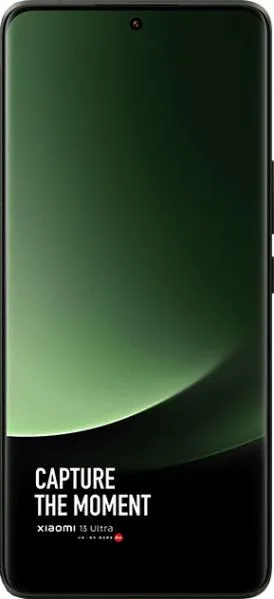
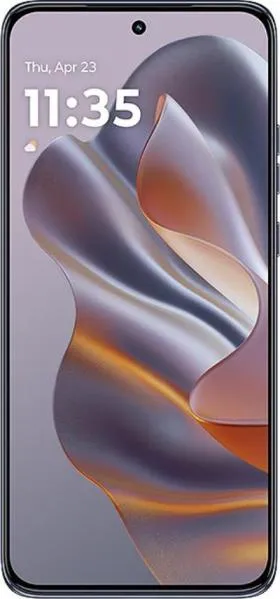
1. Specifications Comparison
| Feature | Xiaomi 13 Ultra | Motorola Edge 50 Neo | Practical Impact |
|---|---|---|---|
| Design | |||
| Dimensions (mm) | 163.2 x 74.6 x 9.1 | 154.1 x 71.2 x 8.1 | Xiaomi 13 Ultra is slightly larger and noticeably thicker. |
| Weight (g) | 227 | 171 | Xiaomi 13 Ultra is significantly heavier, potentially impacting one-handed use. |
| Build Material | Missing | Missing | Cannot compare build quality and durability. |
| Display | |||
| Display Type | 6.73" LTPO AMOLED | 6.36" LTPO P-OLED | Both offer excellent contrast and power efficiency. Xiaomi's larger display provides more immersive content consumption. |
| Resolution | 1440 x 3200 | 1080 x 2400 | Xiaomi has a sharper display (522 ppi vs 411 ppi), resulting in crisper text and images. |
| Refresh Rate | 120Hz | 120Hz | Both offer smooth scrolling and animations. |
| Peak Brightness | 2600 nits | 1100 nits | Xiaomi offers significantly higher peak brightness, ensuring better visibility in direct sunlight. |
| Performance | |||
| Chipset | Snapdragon 8 Gen 2 | Dimensity 7050 | Xiaomi's flagship Snapdragon provides significantly better performance in demanding tasks and gaming. |
| CPU | Octa-core (1x3.2 GHz Cortex-X3 & 2x2.8 GHz Cortex-A715 & 2x2.8 GHz Cortex-A710 & 3x2.0 GHz Cortex-A510) | Octa-core (2x2.6 GHz Cortex-A78 & 6x2.0 GHz Cortex-A55) | Xiaomi's CPU offers superior processing power and efficiency due to its newer architecture. |
| GPU | Adreno 740 | Mali-G610 MC3 | Xiaomi offers a more powerful GPU for smoother gaming and faster graphics rendering. |
| RAM | 12GB/16GB | 8GB/12GB | More RAM in the Xiaomi allows for better multitasking and app switching. |
| Camera | |||
| Rear Camera | 50MP (wide) + 50MP (ultrawide) + 50MP (telephoto) + 50MP (periscope telephoto) | 50MP (Wide) + 8MP (ultrawide) + Depth Sensor | Xiaomi boasts a superior camera system with higher resolution sensors and Leica collaboration, promising significantly better image quality and versatility. |
| Front Camera | 32MP | 13MP | Xiaomi's higher resolution front camera suggests better selfie quality. |
| DxOMark Score | 140 | 115 | Xiaomi scores significantly higher in DxOMark tests, indicating superior overall camera performance. |
| Battery | |||
| Capacity | 5000 mAh | 5000 mAh | Similar battery capacities suggest comparable battery life, though real-world usage may vary due to other factors like display and chipset efficiency. |
| Charging Speed | Missing | 68W wired | Cannot compare charging speeds due to missing information for the Xiaomi 13 Ultra. |
2. Key Differences Analysis
Xiaomi 13 Ultra Advantages:
- Flagship Performance: Significantly more powerful processor and GPU.
- Superior Camera System: Leica-tuned lenses, larger sensor size, and higher resolution across all cameras.
- Brighter and Sharper Display: Higher resolution and peak brightness for better outdoor visibility.
Motorola Edge 50 Neo Advantages:
- Lighter and More Compact: Easier to handle and carry.
- Lower Price: Significantly more affordable.
- More Recent Android Version out of the box: Ships with Android 14, potentially offering longer software support.
3. User Profiles & Recommendations
Xiaomi 13 Ultra: Ideal for power users, mobile photographers/videographers, and those seeking the best possible display and performance. Excellent for demanding tasks, gaming, and content creation.
Motorola Edge 50 Neo: Suitable for budget-conscious users who prioritize a lightweight and compact design. Good for everyday tasks, social media, and casual photography.
4. Decision Framework
Key Questions for Buyers:
- What is your budget? The Xiaomi is a premium flagship device, while the Motorola is a mid-range option.
- What are your primary smartphone usage patterns? Demanding tasks and content creation benefit from the Xiaomi's power, while casual use cases are well-served by the Motorola.
- How important are camera quality and display quality? The Xiaomi significantly outperforms the Motorola in these areas.
My Choice: Xiaomi 13 Ultra
While the Motorola Edge 50 Neo offers good value for its price, the Xiaomi 13 Ultra is the clear winner for me. I prioritize performance, camera quality, and display quality, all areas where the Xiaomi excels. The superior Snapdragon 8 Gen 2, the Leica-tuned camera system with its impressive hardware, and the bright, high-resolution display are compelling features. The heavier weight is a minor trade-off for the significant performance and feature advantages. The higher price is justified by the premium experience offered by the Xiaomi 13 Ultra. While I don't have specific information about the charging speed of the Xiaomi, its larger battery capacity paired with the potentially more efficient processor could result in comparable or even better battery life despite the higher resolution display.
