1. Specifications Comparison
| Feature | Xiaomi 13 Ultra | Motorola Edge 50 Fusion | Practical Impact |
|---|---|---|---|
| Design | |||
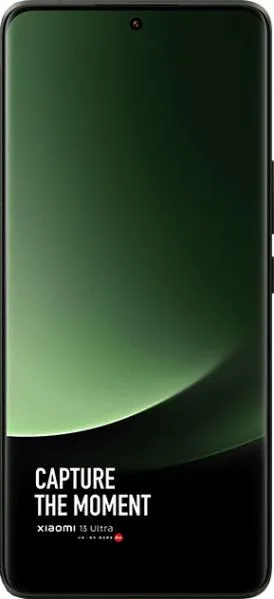
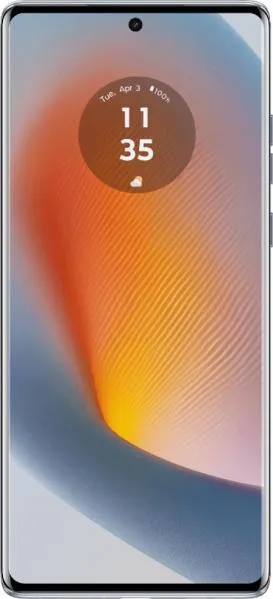
| Dimensions (mm) | 163.2 x 74.6 x 9.1 | 161.9 x 73.1 x 7.9 | Xiaomi is slightly larger and thicker. Motorola feels noticeably lighter and thinner in hand, improving one-handed use. |
| Weight (g) | 227 | 174.9 | Significant weight difference. Motorola is more comfortable for extended use and carrying in pockets. |
| Display | |||
| Display Type | LTPO AMOLED | P-OLED | Both offer excellent contrast and deep blacks. Xiaomi's LTPO panel allows for dynamic refresh rate adjustment, saving battery. |
| Display Size (inches) | 6.73 | 6.7 | Negligible size difference in real-world usage. |
| Resolution | 1440 x 3200 | 1080 x 2400 | Xiaomi has a significantly sharper display, noticeable when viewing high-resolution images or videos. Motorola's resolution is sufficient for most users but less detailed. |
| Refresh Rate (Hz) | 120 | 120/144 (region dependent) | Both offer smooth scrolling and animations. The slight refresh rate advantage of the Motorola (in some regions) may be noticeable in fast-paced gaming. |
| Peak Brightness (nits) | 2600 | 1600 | Xiaomi's display is significantly brighter, making it more usable outdoors in direct sunlight. |
| Color Depth | 68B | 1B | Xiaomi offers a wider color gamut, resulting in more vibrant and accurate color reproduction, particularly beneficial for content creators. |
| Performance | |||
| Chipset | Snapdragon 8 Gen 2 | Snapdragon 7s Gen 2 | Xiaomi features a flagship-level processor, providing significantly faster performance in demanding tasks like gaming and video editing. Motorola offers good mid-range performance, suitable for everyday use. |
| CPU | Octa-core (1x3.2 GHz Cortex-X3 & ...) | Octa-core (4x2.4 GHz Cortex-A78 & ...) | Xiaomi's CPU has a higher clock speed and more powerful cores, resulting in a noticeable performance advantage. |
| GPU | Adreno 740 | Adreno 710 | Xiaomi's GPU offers considerably better graphics performance for gaming and other visually intensive tasks. |
| RAM | 12GB | 8GB | Xiaomi offers more RAM, allowing for smoother multitasking and better handling of demanding applications. |
| Camera | |||
| Main Camera | 50MP, 1-inch sensor | 50MP, 1/1.56-inch sensor | Xiaomi's larger sensor captures more light, resulting in better low-light performance and dynamic range. Leica collaboration suggests superior image processing. |
| Telephoto | Yes, multiple lenses | No dedicated telephoto | Xiaomi offers significantly more versatile zoom capabilities. |
| Video Recording | 8K@24fps, 4K@60fps | 4K@30fps | Xiaomi offers higher resolution and frame rate video recording options. |
| Battery | |||
| Capacity | 5000 mAh | 5000 mAh | Similar battery capacity suggests comparable battery life, though real-world usage will vary depending on individual usage patterns and the efficiency of each phone's components. Xiaomi's LTPO display may provide an advantage. |
2. Key Differences Analysis
Xiaomi 13 Ultra Advantages:
- Flagship Performance: Significantly faster processor and GPU for demanding tasks.
- Superior Display: Sharper, brighter, and wider color gamut.
- Versatile Camera System: 1-inch sensor, multiple telephoto lenses, Leica collaboration.
Motorola Edge 50 Fusion Advantages:
- Lighter and Thinner: More comfortable for one-handed use and portability.
- Lower Price: Significantly more affordable.
Trade-offs:
- Xiaomi: Higher price, heavier and bulkier.
- Motorola: Lower performance, less impressive display and camera.
3. User Profiles & Recommendations
Xiaomi 13 Ultra: Ideal for power users, photographers, videographers, and mobile gamers who prioritize performance, display quality, and camera capabilities. Suitable for those who demand the best and are willing to pay a premium.
Motorola Edge 50 Fusion: Suitable for average users who prioritize affordability, comfortable handling, and good battery life. Best for those who primarily use their phones for social media, web browsing, communication, and light gaming.
4. Decision Framework
Key Questions for Buyers:
- What is your budget? The Xiaomi is significantly more expensive.
- What are your primary smartphone uses? Demanding tasks benefit from Xiaomi's power.
- Do you prioritize portability and comfort? The Motorola is lighter and thinner.
Scenario-Based Recommendations:
- Limited Budget: Motorola Edge 50 Fusion
- Photography Enthusiast: Xiaomi 13 Ultra
- Mobile Gamer: Xiaomi 13 Ultra
- Everyday User: Motorola Edge 50 Fusion
My Choice: Xiaomi 13 Ultra
While the Motorola Edge 50 Fusion offers excellent value for its price, I would choose the Xiaomi 13 Ultra. The superior performance, stunning display, and highly versatile camera system are compelling. I prioritize having a future-proof device capable of handling any task with ease, and the image quality from the 1-inch sensor and Leica lens is a major draw. I'm willing to accept the higher price and slightly larger size for the significant advantages in key areas that matter most to me. The LTPO display also offers a compelling advantage in power efficiency, mitigating some concerns about battery life despite the powerful hardware.
