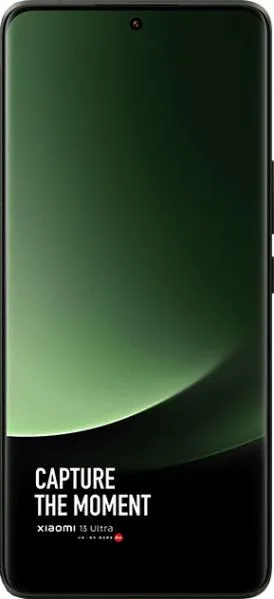
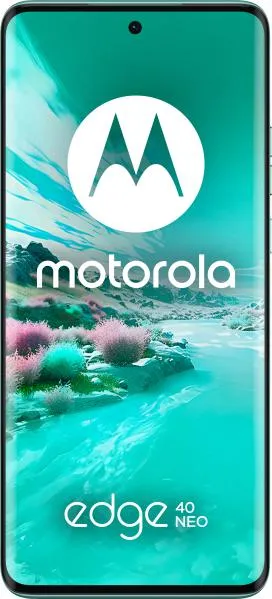
1. Specifications Comparison
| Feature | Xiaomi 13 Ultra | Motorola Edge 40 Neo | Practical Impact |
|---|---|---|---|
| Design | |||
| Dimensions (mm) | 163.2 x 74.6 x 9.1 | 159.6 x 72 x 7.9 | Xiaomi 13 Ultra is larger and slightly thicker. Edge 40 Neo is more pocketable. |
| Weight (g) | 227 | 170 | Xiaomi 13 Ultra is significantly heavier. Edge 40 Neo is more comfortable for extended use. |
| Build | Missing | Missing | Build quality and materials cannot be compared. |
| Display | |||
| Size (inches) | 6.73 | 6.55 | Xiaomi offers a slightly larger viewing area. |
| Resolution | 1440 x 3200 | 1080 x 2400 | Xiaomi has a much sharper display with noticeably higher pixel density. Better for detail-oriented tasks and media consumption. |
| Panel Type | LTPO AMOLED | P-OLED | Both offer vibrant colors and deep blacks. Xiaomi's LTPO panel allows for dynamic refresh rate adjustment, potentially saving battery. |
| Refresh Rate (Hz) | 120 | 144 | Edge 40 Neo offers a higher refresh rate, resulting in smoother animations and scrolling. However, Xiaomi's LTPO can dynamically adjust for better battery life. |
| Peak Brightness (nits) | 2600 | 1300 | Xiaomi gets significantly brighter, ensuring better visibility outdoors. |
| Performance | |||
| Chipset | Snapdragon 8 Gen 2 | Dimensity 7030 | Xiaomi boasts a flagship processor, significantly more powerful than the Edge 40 Neo's mid-range chip. Expect superior performance in demanding tasks and gaming. |
| CPU | Octa-core (1x3.2 GHz Cortex-X3 & 2x2.8 GHz Cortex-A715 & 2x2.8 GHz Cortex-A710 & 3x2.0 GHz Cortex-A510) | Octa-core (2x2.5 GHz Cortex-A78 & 6x2.0 GHz Cortex-A55) | Xiaomi's CPU architecture is more advanced and powerful. |
| GPU | Adreno 740 | Mali-G610 MC3 | Xiaomi's GPU is considerably more powerful, delivering a superior gaming and graphics-intensive experience. |
| RAM (GB) | 12 | 12 | Both phones offer ample RAM for multitasking. |
| Camera | |||
| Main Camera (MP) | 50 | 50 | Megapixel count is similar, but sensor size and other factors can significantly impact image quality. |
| Sensor Size | 1" (Main) | 1/1.55" (Main) | Xiaomi's much larger main sensor allows for greater light capture, potentially resulting in better low-light performance and depth of field. |
| Other Cameras | 3x 50MP Telephoto, Wide, Macro | 13MP Wide, Macro | Xiaomi offers a more versatile camera system with multiple high-resolution telephoto lenses. |
| Video | Up to 8K@24fps | Up to 4K@30fps | Xiaomi can record higher resolution video. |
| Battery | |||
| Capacity (mAh) | 5000 | 5000 | Similar battery capacity suggests comparable battery life, although real-world usage will vary based on other factors. |
| Charging Speed | Missing | Missing | Charging speeds cannot be compared due to missing information. |
2. Key Differences Analysis
Xiaomi 13 Ultra Advantages:
- Significantly more powerful: The Snapdragon 8 Gen 2 offers a substantial performance advantage for demanding tasks and gaming.
- Superior display: Sharper, brighter, and with dynamic refresh rate for potential battery savings.
- More versatile camera system: Leica-tuned lenses, larger sensor, and multiple telephoto options.
Motorola Edge 40 Neo Advantages:
- Lighter and more compact: More comfortable for one-handed use and portability.
- Higher refresh rate: Smoother scrolling and animations (though Xiaomi's LTPO can mitigate this difference).
- Significantly more affordable: Offers good value for its price.
Trade-offs:
- Xiaomi: Higher price, larger and heavier build.
- Motorola: Lower performance, less impressive camera system, lower peak brightness.
3. User Profiles & Recommendations
Xiaomi 13 Ultra: Ideal for power users, photographers, videographers, and those who demand the best possible performance and display. Excellent for mobile gaming, content creation, and media consumption.
Motorola Edge 40 Neo: Suitable for budget-conscious users who prioritize a lightweight and affordable phone with a smooth display. Good for everyday tasks, social media, and casual gaming. Not ideal for demanding users or photography enthusiasts.
4. Decision Framework
Key Questions:
- What is your budget? The Xiaomi is a premium flagship, while the Motorola is a mid-range option.
- What are your performance needs? Do you need top-tier processing power for gaming or demanding applications?
- How important is camera quality? The Xiaomi offers a significantly more advanced camera system.
Scenario-Based Recommendations:
- Gamer: Xiaomi 13 Ultra for its powerful GPU and sharp display.
- Photographer: Xiaomi 13 Ultra for its versatile camera system and large sensor.
- Budget-conscious user: Motorola Edge 40 Neo for its affordability and smooth display.
My Choice: Xiaomi 13 Ultra
While significantly more expensive, the Xiaomi 13 Ultra offers a compelling combination of performance, display quality, and camera capabilities that justifies the premium. The Snapdragon 8 Gen 2, the brilliant LTPO AMOLED display, and the Leica-tuned camera system make it a true flagship device. Although heavier, the superior user experience in demanding tasks, gaming, and content creation outweighs the size and weight difference for me. The Motorola Edge 40 Neo is a solid mid-range option, but its performance and camera limitations make it less appealing for my needs. I prioritize a top-tier experience and am willing to pay for it.
