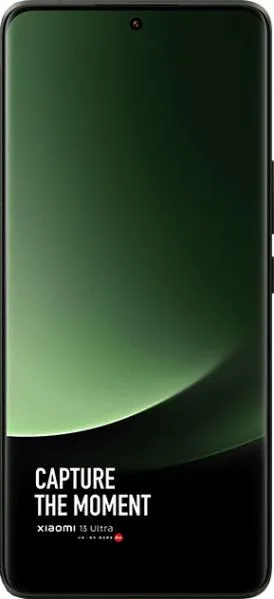
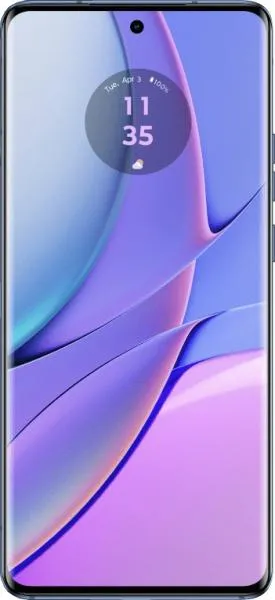
1. Specifications Comparison
| Feature | Xiaomi 13 Ultra | Motorola Edge 40 | Practical Impact |
|---|---|---|---|
| Design | |||
| Dimensions (mm) | 163.2 x 74.6 x 9.1 | 158.4 x 72 x 7.6 | Xiaomi is larger and slightly thicker. Motorola is significantly thinner and lighter, improving one-handed use. |
| Weight (g) | 227 | 167 | Significant weight difference; Motorola will be more comfortable for extended use. |
| Build | Missing | Missing | Build materials impact durability and premium feel; information needed for complete comparison. |
| Display | |||
| Display Type | 6.73" LTPO AMOLED | 6.55" P-OLED | Both offer vibrant colors and deep blacks. Xiaomi's LTPO allows for dynamic refresh rate adjustment, saving battery. |
| Resolution | 1440 x 3200 | 1080 x 2400 | Xiaomi has a sharper display with higher pixel density (522 ppi vs 402 ppi), noticeable in text and image clarity. |
| Refresh Rate | 120Hz (variable) | 144Hz | Motorola has a higher refresh rate, making animations and scrolling smoother, especially in games. However, Xiaomi's LTPO can dynamically adjust for better battery life. |
| Peak Brightness | 2600 nits | 1200 nits | Xiaomi offers significantly higher peak brightness, improving outdoor visibility. |
| Performance | |||
| Chipset | Snapdragon 8 Gen 2 | Dimensity 8020 | Snapdragon 8 Gen 2 offers significantly better CPU and GPU performance, impacting demanding tasks and gaming. |
| CPU | Octa-core (1x3.2 GHz Cortex-X3 & 2x2.8 GHz Cortex-A715 & 2x2.8 GHz Cortex-A710 & 3x2.0 GHz Cortex-A510) | Octa-core (4x2.6 GHz Cortex-A78 & 4x2.0 GHz Cortex-A55) | Xiaomi's CPU architecture and higher clock speeds translate to faster app loading, smoother multitasking, and better performance in demanding applications. |
| RAM | 12GB | 8GB | Xiaomi offers more RAM, enabling better multitasking and preventing app closures in the background. |
| Camera | |||
| Main Camera | 50MP, 1" Sony IMX989 | 50MP, 1/1.55" Omnivision OV50A | Xiaomi has a significantly larger sensor (1" vs 1/1.55"), allowing for better low-light performance and depth of field. |
| Other Cameras | 3x 50MP Telephoto, 50MP Wide, 50MP Periscope | 13MP Wide | Xiaomi offers a more versatile camera system with multiple telephoto options and higher resolution sensors across the board. |
| Battery | |||
| Capacity | 5000 mAh | 4400 mAh | Xiaomi offers a larger battery capacity, potentially resulting in longer battery life. |
| Charging Speed | Missing | Missing | Charging speed significantly impacts usability; information needed for comparison. |
2. Key Differences Analysis
Xiaomi 13 Ultra Advantages:
- Superior Performance: The Snapdragon 8 Gen 2 provides a significant performance advantage for demanding tasks and gaming.
- Flagship Camera System: The Leica-tuned camera system with a large 1" sensor and multiple telephoto lenses offers exceptional versatility and image quality.
- Sharper Display: Higher resolution and peak brightness result in a more detailed and vibrant viewing experience, especially outdoors.
- Larger Battery: Potentially longer battery life.
Motorola Edge 40 Advantages:
- Lighter and Thinner: Significantly more comfortable for one-handed use and pocket portability.
- Higher Refresh Rate Display: Smoother scrolling and animations, particularly beneficial for gaming.
- Lower Price: Offers excellent value for its price range.
3. User Profiles & Recommendations
Xiaomi 13 Ultra: Ideal for users who prioritize top-tier performance, the best possible camera system, and a premium display. Suitable for demanding users, mobile photographers/videographers, and gamers.
Motorola Edge 40: Best suited for users who value a slim and lightweight design, a smooth display, and excellent value for money. Good for everyday users, social media enthusiasts, and casual gamers who prioritize portability and affordability.
4. Decision Framework
Key Questions for Buyers:
- What is your budget? The Xiaomi is a premium flagship, while the Motorola offers excellent mid-range value.
- What are your primary use cases? Consider whether you need top-tier performance and camera capabilities or prioritize portability and affordability.
- How important is battery life and charging speed? While the Xiaomi has a larger battery, missing charging speed specs limit a complete comparison.
My Choice: Xiaomi 13 Ultra
While the Motorola Edge 40 offers excellent value and a compelling design, the Xiaomi 13 Ultra is the clear winner for me. I prioritize performance, camera quality, and a vibrant display. The Snapdragon 8 Gen 2, combined with the impressive camera system and high-resolution display, makes the Xiaomi 13 Ultra a true flagship experience. The larger battery is also a plus. I'm willing to compromise on the slightly larger size and weight for the significant gains in performance and features. The price difference is substantial, but justified for the significant upgrade in almost every aspect.
