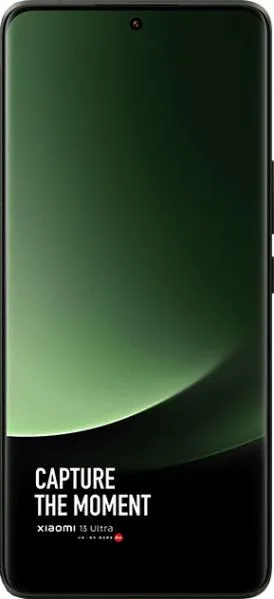
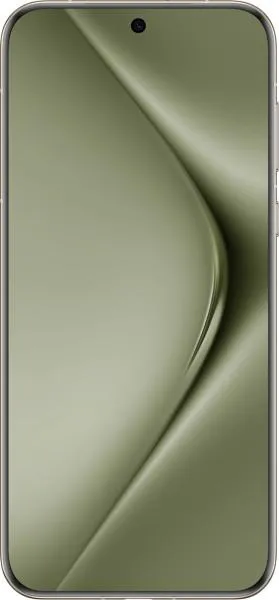
1. Specifications Comparison
| Feature | Xiaomi 13 Ultra | Huawei Pura 70 Ultra | Practical Impact |
|---|---|---|---|
| Design | |||
| Dimensions (mm) | 163.2 x 74.6 x 9.1 | 162.6 x 75.1 x 8.4 | The Huawei is slightly shorter, wider, and noticeably thinner. The Xiaomi might feel more substantial in hand. |
| Weight (g) | 227 | 226 | Negligible weight difference. |
| Display | |||
| Size (inches) | 6.73 | 6.8 | Huawei has a slightly larger display. |
| Resolution | 1440 x 3200 | 1260 x 2844 | Xiaomi offers significantly sharper visuals due to higher resolution (QHD+ vs ~FHD+). |
| Type | LTPO AMOLED | LTPO OLED | Both offer excellent contrast and vibrant colors with power-saving LTPO technology. While the Xiaomi specs state 68B colors compared to the Huawei's 1B, this likely indicates an error in the Huawei's data, as achieving true 1B colors on a smartphone display isn't standard yet. |
| Refresh Rate (Hz) | 120 | 120 | Both displays offer smooth scrolling and animations. |
| Peak Brightness (nits) | 2600 | 2500 | Xiaomi has slightly higher peak brightness, potentially offering better visibility in direct sunlight. |
| Performance | |||
| Chipset | Snapdragon 8 Gen 2 | Kirin 9010 | The Snapdragon 8 Gen 2 in the Xiaomi is a more recent and generally more powerful chip than the Kirin 9010. This translates to better performance in demanding tasks and games. |
| CPU | Octa-core (1x3.2 GHz Cortex-X3 & 2x2.8 GHz Cortex-A715 & 2x2.8 GHz Cortex-A710 & 3x2.0 GHz Cortex-A510) | Octa-core (1x2.3 GHz Taishan Big & 3x2.18 GHz Taishan Mid & 4x1.55 GHz Cortex-A510) | Xiaomi's CPU boasts higher clock speeds and a more modern architecture, promising superior performance. |
| GPU | Adreno 740 | Mali-G78 (assumed based on Kirin 9000 series) | The Adreno 740 is expected to offer better gaming and graphics performance compared to the Mali-G78. |
| RAM (GB) | 12/16 | 16 | The Huawei offers more RAM in the provided configuration. While 12GB is ample for most users, the 16GB on the Huawei might offer better multitasking for power users. |
| Camera | |||
| Main Sensor | 50MP Sony IMX989 (1-inch) | 50MP Sony IMX989 (1-inch) | Both phones feature a large 1-inch sensor, promising excellent low-light performance and dynamic range. |
| Other Cameras | 50MP Ultrawide, 50MP Telephoto (3.2x), 50MP Periscope (5x) | 40MP Ultrawide, 50MP Telephoto | The Xiaomi features a more versatile camera system with two telephoto lenses offering different zoom ranges. |
| Video Capabilities | Up to 8K@24fps | Unspecified | Xiaomi's extensive video capabilities are explicitly listed, highlighting its potential for high-quality video recording. The lack of video specs for the Huawei makes comparison impossible. |
| Battery | |||
| Capacity (mAh) | 5000 | 5200 | Huawei has a slightly larger battery capacity, potentially leading to longer battery life. However, real-world battery life depends on many factors, including software optimization. |
2. Key Differences Analysis
Xiaomi 13 Ultra Advantages:
- Superior Performance: The newer Snapdragon chipset and more powerful CPU/GPU deliver noticeably faster performance for demanding tasks and gaming.
- More Versatile Camera System: The quad-camera setup with dual telephoto lenses provides a wider range of shooting options.
- Sharper Display: The higher resolution display delivers noticeably crisper visuals.
Huawei Pura 70 Ultra Advantages:
- Larger Battery: Potentially longer battery life, though real-world usage will vary.
- More RAM in Configuration Provided: Potentially beneficial for extreme multitasking, though 12GB on the Xiaomi is sufficient for most users.
3. User Profiles & Recommendations
Xiaomi 13 Ultra: Ideal for users who prioritize performance, gaming, and mobile photography/videography. The sharper display is a bonus for media consumption.
Huawei Pura 70 Ultra: Might appeal to users who prioritize battery life and potentially extensive multitasking above raw performance. However, the lack of clear camera and video specifications makes a strong recommendation difficult.
4. Decision Framework
Key Questions for Buyers:
- What is your budget and which specific configurations are available in your region?
- Do you prioritize raw performance and a versatile camera system, or battery life and multitasking capabilities?
- How important is a sharp display for your daily usage?
Scenario-Based Recommendations:
- Heavy Gamer/Power User: Xiaomi 13 Ultra.
- Battery Life Focused User: Potentially Huawei Pura 70 Ultra, but with the caveat that real-world battery performance is unknown. Without concrete video specifications, its suitability for multimedia creation is also unclear.
My Choice: Xiaomi 13 Ultra
The Xiaomi 13 Ultra is my choice due to its superior performance, more versatile camera system with comprehensive video capabilities, and sharper display. While the Huawei Pura 70 Ultra boasts a slightly larger battery and more RAM in the provided configuration, the significant performance advantage and clearly defined camera capabilities of the Xiaomi make it the more compelling device. The lack of key information regarding the Huawei's video recording and potential OS limitations due to lacking OS information make it difficult to recommend confidently. Ultimately, the Xiaomi offers a more well-rounded and powerful user experience based on the available information.
