1. Specifications Comparison
| Feature | Xiaomi 13 Ultra | Huawei Pura 70 Pro | Practical Impact |
|---|---|---|---|
| Design | |||
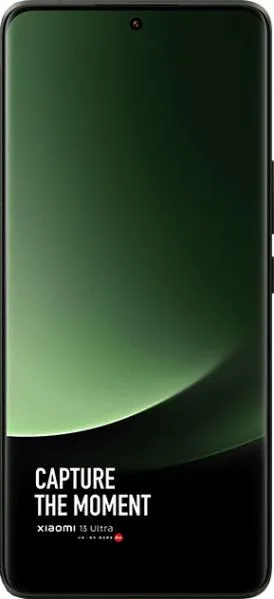
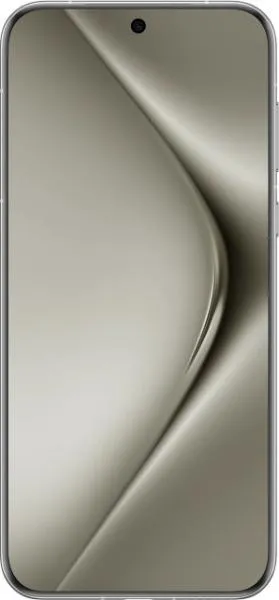
| Dimensions (mm) | 163.2 x 74.6 x 9.1 | 162.6 x 75.1 x 8.4 | The Huawei is slightly thinner and marginally shorter, potentially offering a slightly improved in-hand feel. |
| Weight (g) | 227 | 220 | Negligible weight difference; both phones are relatively heavy. |
| Display | |||
| Size (inches) | 6.73 | 6.8 | The Huawei has a marginally larger display, offering a slightly more immersive experience. |
| Resolution (px) | 1440 x 3200 | 1260 x 2844 | Significantly sharper display on the Xiaomi due to higher pixel density, resulting in crisper text and images. |
| Panel Type | LTPO AMOLED | LTPO OLED | Both offer excellent contrast and power efficiency due to LTPO technology. Xiaomi's AMOLED potentially offers better color accuracy and higher peak brightness (information regarding color depth missing for Huawei makes definitive comparison difficult). |
| Refresh Rate (Hz) | 120 | 120 | Both offer smooth scrolling and animations. |
| Peak Brightness (nits) | 2600 | 2500 | Xiaomi offers slightly higher peak brightness, potentially improving outdoor visibility. |
| Performance | |||
| Chipset | Snapdragon 8 Gen 2 (4nm) | Kirin 9010 (7nm) | The Snapdragon 8 Gen 2 in the Xiaomi is newer and built on a more advanced process, translating to significant performance and efficiency advantages. |
| CPU | Octa-core (1x3.2 GHz Cortex-X3 & 2x2.8 GHz Cortex-A715 & 2x2.8 GHz Cortex-A710 & 3x2.0 GHz Cortex-A510) | Octa-core (1x2.3 GHz Taishan Big & 3x2.18 GHz Taishan Mid & 4x1.55 GHz Cortex-A510) | Xiaomi's CPU boasts higher clock speeds and a more modern architecture, resulting in superior performance for demanding tasks and multitasking. |
| GPU | Adreno 740 | Maleoon 910 | The Adreno 740 is generally considered more powerful, leading to better gaming and graphics performance compared to the Maleoon 910. |
| RAM (GB) | 12 | 12 | Both phones offer ample RAM for smooth multitasking. |
| Camera | |||
| Main Camera (MP) | 50 (1-inch sensor) | 50 | Xiaomi features a significantly larger 1-inch sensor, enabling superior light capture and potentially better image quality, especially in low light. |
| Telephoto | Yes, multiple lenses | Yes, one lens | Xiaomi offers a more versatile telephoto system with multiple lenses at varying focal lengths. Details about Huawei's telephoto capabilities are limited. |
| Video Capabilities | Up to 8K@24fps | Information missing | Xiaomi's confirmed 8K video recording capability provides higher resolution video recording compared to the unknown video capabilities of the Huawei. |
| Battery | |||
| Capacity (mAh) | 5000 | 5050 | Negligible difference in battery capacity. Real-world battery life will depend more on software optimization and usage patterns. |
2. Key Differences Analysis
Xiaomi 13 Ultra Advantages:
- Superior Performance: Significantly more powerful processor and GPU.
- Advanced Camera System: Larger sensor, more versatile telephoto capabilities, confirmed 8K video recording.
- Sharper Display: Higher resolution and pixel density.
Huawei Pura 70 Pro Advantages:
- Slightly Larger Display: Offers marginally larger screen real estate.
- Potentially More Affordable: Positioned in the mid-range price segment compared to Xiaomi's high-end pricing.
- Slightly Thinner: Marginally thinner profile.
3. User Profiles & Recommendations
Xiaomi 13 Ultra: Ideal for users who prioritize performance, photography, and a high-quality display. Best suited for demanding tasks, gaming, content creation, and mobile photography enthusiasts.
Huawei Pura 70 Pro: Suitable for users seeking a large display and potentially more affordable option. Best for everyday tasks, media consumption, and casual photography.
4. Decision Framework
Key Questions for Buyers:
- What is your budget? The Xiaomi is significantly more expensive.
- What are your primary use cases? (Gaming, photography, general use)
- How important is performance and camera quality?
Scenario-Based Recommendations:
- Power User: Xiaomi 13 Ultra
- Budget-Conscious User: Huawei Pura 70 Pro
- Photography Enthusiast: Xiaomi 13 Ultra
My Choice: Xiaomi 13 Ultra
While the Huawei Pura 70 Pro offers a larger display and potentially lower price, the Xiaomi 13 Ultra is the clear winner for me due to its significantly superior performance, substantially more advanced camera system, and sharper display. The Snapdragon 8 Gen 2, combined with the 1-inch sensor and versatile telephoto lenses, offers a compelling package for demanding users and photography enthusiasts. While price is a factor, the performance and camera advancements in the Xiaomi justify the higher cost for my needs. The slightly larger display of the Huawei isn't a significant enough advantage to outweigh the other benefits of the Xiaomi. I value a smooth, responsive user experience and high-quality photos and videos, making the Xiaomi 13 Ultra the better choice.
