1. Specifications Comparison
| Feature | Xiaomi 13 Ultra | Huawei Pura 70 | Practical Impact |
|---|---|---|---|
| Design | |||
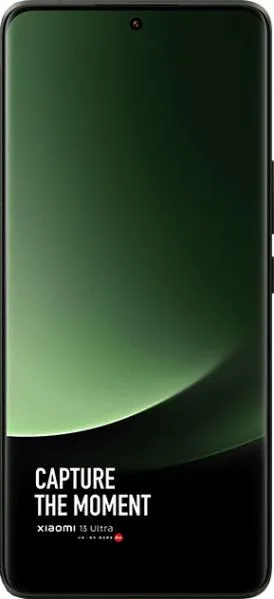
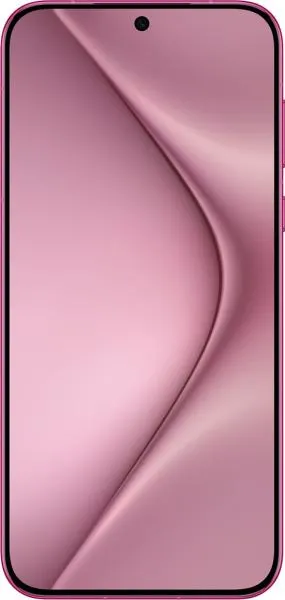
| Dimensions (mm) | 163.2 x 74.6 x 9.1 | 157.6 x 74.3 x 8.0 | Xiaomi is slightly larger and thicker. Huawei is more pocketable. |
| Weight (g) | 227 | 207 | Xiaomi is noticeably heavier. Huawei offers better one-handed usability. |
| Build Materials | Missing | Missing | Cannot compare build quality and durability. |
| Display | |||
| Display Size (inches) | 6.73 | 6.6 | Xiaomi offers a slightly larger viewing area. |
| Resolution | 1440 x 3200 | 1256 x 2760 | Xiaomi's higher resolution provides sharper images and text. |
| Display Type | LTPO AMOLED | LTPO OLED | Both offer excellent contrast and vibrant colors, but Xiaomi's AMOLED with 68B colors might provide slightly smoother color gradients. |
| Refresh Rate (Hz) | 120 | 120 | Both offer smooth scrolling and animations. |
| Peak Brightness (nits) | 2600 | 2500 | Negligible difference in peak brightness; both are easily viewable in sunlight. |
| Performance | |||
| Chipset | Snapdragon 8 Gen 2 | Kirin 9000S1 | Snapdragon 8 Gen 2 generally offers better performance and wider app compatibility. Kirin's performance is less well-documented due to limited global availability. |
| CPU | Octa-core (detailed specs) | Octa-core | Xiaomi provides detailed CPU configuration for better performance analysis; Huawei's general "Octa-core" is less informative. |
| GPU | Adreno 740 | 8 | Adreno 740 is a known high-performing GPU. Lack of specific Huawei GPU model hinders detailed comparison but suggests a potentially less powerful graphics processor. |
| RAM (GB) | 12 | 12 | Both offer ample RAM for multitasking. |
| OS | Android 13 | Missing | Significant limitation. OS impacts user experience and app ecosystem access. Unable to compare. |
| Camera | |||
| Rear Camera Setup | 50MP Quad Camera | 50MP Triple Camera | Xiaomi offers a more versatile camera system with an extra telephoto lens. |
| Main Sensor Size | 1" | 1/1.3" | Xiaomi's larger sensor potentially captures more light and detail, especially in low light. |
| Video Capabilities | Up to 8K@24fps | Missing | Xiaomi's comprehensive video specs highlight its strong video recording features. Missing details for Huawei prevent comparison. |
| Battery | |||
| Capacity (mAh) | 5000 | 4900 | Marginal difference in battery capacity. Real-world battery life depends on optimization and usage. |
2. Key Differences Analysis
Xiaomi 13 Ultra Advantages:
- Superior Display: Higher resolution and potentially better color accuracy.
- More Powerful Performance: Snapdragon 8 Gen 2 and Adreno 740 offer top-tier performance.
- Versatile Camera System: Quad camera setup with a larger main sensor and more telephoto options.
- Comprehensive Specifications: Detailed information enables in-depth analysis.
Huawei Pura 70 Advantages:
- Lighter and More Compact: Better for one-handed use and portability.
- Potentially Lower Price: "Medium" price range suggests better affordability.
3. User Profiles & Recommendations
Xiaomi 13 Ultra: Ideal for power users, photographers, videographers, and those who prioritize performance and a premium display. Excellent for demanding tasks, gaming, and media consumption.
Huawei Pura 70: Suitable for users who prioritize portability and affordability. Good for everyday tasks, social media, and casual photography. Limited information hinders specific use case recommendations.
4. Decision Framework
Key Questions for Buyers:
- What is your budget? The Xiaomi is a high-end flagship, while the Huawei is positioned in the mid-range.
- What are your primary use cases? Photography, gaming, or everyday tasks?
- How important is portability? The Huawei is lighter and more compact.
My Choice: Xiaomi 13 Ultra
While the Huawei Pura 70 offers attractive portability and potential affordability, the lack of crucial information, particularly regarding the operating system and detailed camera/video capabilities, makes a comprehensive comparison impossible.
The Xiaomi 13 Ultra, on the other hand, boasts a clearly superior display, a more powerful processor, and a highly versatile camera system backed by detailed specifications. Even with its higher price and larger size, the Xiaomi 13 Ultra offers a significantly more compelling package for my needs, prioritizing performance, camera quality, and a premium user experience. The comprehensive technical details provided for the Xiaomi instill greater confidence in its capabilities.
