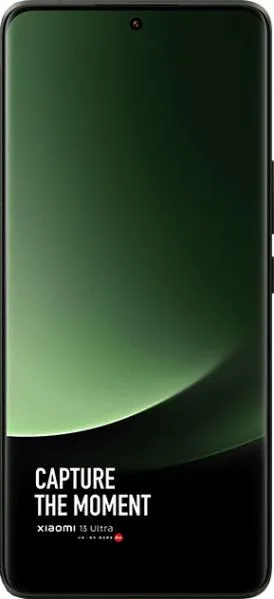
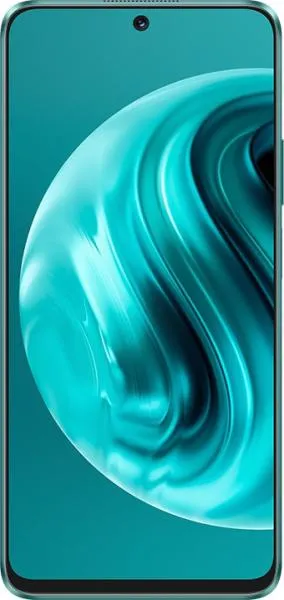
1. Specifications Comparison
| Feature | Xiaomi 13 Ultra | Huawei nova 12i | Practical Impact |
|---|---|---|---|
| Design | |||
| Dimensions (mm) | 163.2 x 74.6 x 9.1 | 163.3 x 74.7 x 8.4 | Virtually identical in hand, though the Nova 12i is slightly thinner. |
| Weight (g) | 227 | 199 | The Xiaomi is noticeably heavier, potentially impacting one-handed use. |
| Build | Missing | Missing | Build quality and materials unknown, making durability comparisons impossible. |
| Display | |||
| Display Type | 6.73" LTPO AMOLED | 6.7" IPS LCD | Xiaomi offers superior contrast, deeper blacks, and potentially better power efficiency due to LTPO. |
| Resolution | 1440 x 3200 | 1080 x 2388 | Sharper, more detailed visuals on the Xiaomi. Noticeable difference in clarity for text and images. |
| Refresh Rate | 120Hz | 90Hz | Smoother animations and scrolling on the Xiaomi. |
| Peak Brightness | 2600 nits | Missing | Xiaomi's significantly higher brightness ensures excellent outdoor visibility. The Nova's unknown peak brightness limits this assessment. |
| Performance | |||
| Chipset | Snapdragon 8 Gen 2 | Snapdragon 680 4G | Vast performance difference. Xiaomi will handle demanding tasks and gaming far better. Nova suited for basic use. |
| CPU | Octa-core (1x3.2 GHz Cortex-X3 & 2x2.8 GHz Cortex-A715 & 2x2.8 GHz Cortex-A710 & 3x2.0 GHz Cortex-A510) | Octa-core (4x2.4 GHz Cortex-A73 & 4x1.9 GHz Cortex-A53) | Xiaomi's CPU offers significantly higher clock speeds and a more modern architecture, translating to much faster processing. |
| RAM | 12GB | 8GB | Xiaomi offers better multitasking and app switching capabilities. |
| Camera | |||
| Main Camera | 50MP Sony IMX989 (1") | 108MP Samsung HM6 (1/1.67") | Despite higher resolution on the Nova, Xiaomi's larger sensor likely delivers superior image quality, especially in low light, due to larger pixel size and advanced optics (Leica collaboration). |
| Other Cameras | 3 x 50MP Telephoto and Wide Angle | 2MP Portrait, 8MP Selfie | Xiaomi offers a more versatile camera system with dedicated telephoto lenses, enabling optical zoom. |
| Battery | |||
| Capacity | 5000 mAh | 5000 mAh | Similar battery capacity. Real-world battery life will depend on software optimization and display power consumption, making direct comparisons difficult without testing. |
| Charging Speed | Missing | Missing | Charging speed comparison impossible without specific data. |
2. Key Differences Analysis
Xiaomi 13 Ultra Advantages:
- Flagship Performance: Significantly more powerful processor and GPU for demanding tasks and gaming.
- Superior Display: Brighter, sharper, and smoother AMOLED display with LTPO for better power efficiency.
- Advanced Camera System: Larger sensor, Leica optics, and versatile telephoto lenses for significantly better image quality and zoom capabilities.
Huawei nova 12i Advantages:
- Lighter Weight: More comfortable for extended one-handed use.
- Lower Price: Significantly more affordable.
3. User Profiles & Recommendations
Xiaomi 13 Ultra: Ideal for power users, photographers, videographers, and gamers who demand top-tier performance, display, and camera capabilities.
Huawei nova 12i: Suited for budget-conscious users who prioritize basic communication, social media, and light web browsing.
4. Decision Framework
Key Questions for Buyers:
- What is your budget? The price difference is substantial.
- What are your primary smartphone usage patterns? (Gaming, photography, social media, etc.)
- Do you prioritize performance and camera quality or affordability and lightweight design?
Scenario-Based Recommendations:
- Heavy user needing top-tier performance: Xiaomi 13 Ultra
- Budget-conscious user with basic needs: Huawei nova 12i
- Photography enthusiast: Xiaomi 13 Ultra
My Choice: Xiaomi 13 Ultra
While the Huawei nova 12i offers a compelling price, the Xiaomi 13 Ultra's superior performance, display, and camera system make it the clear winner for me. I prioritize a smooth, responsive user experience, high-quality visuals, and excellent camera capabilities. The Snapdragon 8 Gen 2's substantial performance advantage over the Snapdragon 680, combined with the brilliant AMOLED display and advanced Leica camera system, justifies the higher price for my needs. The weight difference, while noticeable, is not a deal-breaker for me. The Nova 12i's lack of specific details on features like brightness and charging speed makes it difficult to fully assess its capabilities. Ultimately, the Xiaomi 13 Ultra represents a more future-proof investment due to its advanced technology.
