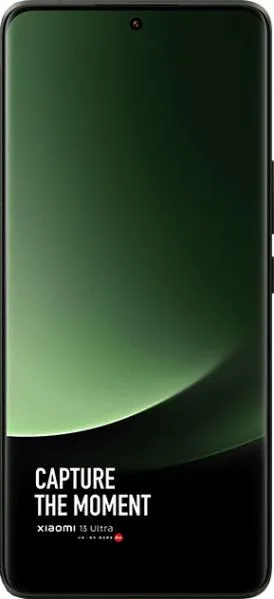

1. Specifications Comparison
| Feature | Xiaomi 13 Ultra | Huawei nova 11 Pro | Practical Impact |
|---|---|---|---|
| Design | |||
| Dimensions (mm) | 163.2 x 74.6 x 9.1 | 164.3 x 74.4 x 7.9 | Xiaomi is slightly shorter and thicker. Huawei is slimmer and lighter. |
| Weight (g) | 227 | 188 | Huawei is significantly lighter, improving one-handed use and portability. |
| Build | Missing | Missing | Build quality and materials can impact durability and premium feel; information is lacking. |
| Display | |||
| Size (inches) | 6.73 | 6.78 | Negligible size difference. |
| Resolution | 1440 x 3200 | 1200 x 2652 | Xiaomi offers significantly sharper visuals due to higher pixel density (522 vs 429 ppi). Noticeable in text clarity and image detail. |
| Type | LTPO AMOLED | OLED | Xiaomi's LTPO AMOLED allows for variable refresh rate (1-120Hz), leading to smoother scrolling and potentially better battery life compared to Huawei's fixed 120Hz OLED. |
| Peak Brightness | 2600 nits | 950 nits | Xiaomi's display will be much more visible in direct sunlight. |
| Color Depth | 68B | 1B | Xiaomi supports a wider color gamut, resulting in more vibrant and accurate colors. |
| Performance | |||
| Chipset | Snapdragon 8 Gen 2 | Snapdragon 778G 4G | Xiaomi boasts a flagship-level processor, offering significantly faster performance for demanding tasks, gaming, and multitasking compared to Huawei's mid-range chip. |
| CPU | Octa-core (1x3.2 GHz Cortex-X3 & 2x2.8 GHz Cortex-A715 & 2x2.8 GHz Cortex-A710 & 3x2.0 GHz Cortex-A510) | Octa-core (4x2.4 GHz Kryo 670 & 4x1.8 GHz Kryo 670) | Xiaomi's CPU configuration indicates a substantial performance advantage in complex applications and sustained workloads. |
| GPU | Adreno 740 | Adreno 642L | Xiaomi's GPU provides a superior gaming and graphics rendering experience. |
| RAM | 12GB (listed example) | 8GB (listed example) | More RAM on the Xiaomi can improve multitasking and prevent apps from closing in the background. |
| Camera | |||
| Rear Camera | 50MP Quad Camera | 50MP + 8MP Dual Camera | Xiaomi's quad camera setup offers greater versatility with telephoto and periscope zoom capabilities. The larger sensor size (1") on its main camera suggests superior low-light performance. |
| Front Camera | 32MP | 60MP | The Huawei has a higher resolution front camera, but megapixels alone don't determine image quality. Sensor size, aperture, and processing play crucial roles. |
| Video | 8K@24fps, 4K@60fps | 720p@960fps | Xiaomi offers superior video resolution and features. Huawei's strength lies in high frame rate slow-motion video. |
| Battery | |||
| Capacity | 5000 mAh | 4500 mAh | Xiaomi has a larger battery capacity, potentially translating to longer battery life. Real-world usage will depend on various factors. |
| Charging Speed | Missing | Missing | Charging speed significantly impacts usability; information is lacking. |
2. Key Differences Analysis
Xiaomi 13 Ultra Advantages:
- Superior Performance: The Snapdragon 8 Gen 2 significantly outperforms the Snapdragon 778G, resulting in a smoother and faster user experience.
- Brighter and Sharper Display: The LTPO AMOLED with higher resolution and peak brightness delivers a significantly better visual experience.
- More Versatile Camera System: The quad-camera system with Leica lens and a larger sensor offers more shooting options and potentially better image quality.
- Larger Battery: Provides a potential advantage in battery life.
Huawei nova 11 Pro Advantages:
- Lighter and Slimmer Design: Offers better portability and one-handed usability.
- Higher Resolution Front Camera: Potentially better for high-resolution selfies, but overall image quality depends on other factors.
- Lower Price: Positioned in a more affordable price range. (Speculated based on provided pricing)
Trade-offs:
- Performance vs. Portability: Xiaomi prioritizes performance with a heavier and slightly thicker body, while Huawei opts for a lighter design with a less powerful processor.
- Price vs. Features: Xiaomi offers premium features at a higher price, while Huawei balances features and affordability. (Speculated based on provided pricing)
3. User Profiles & Recommendations
Xiaomi 13 Ultra: Ideal for users who demand top-tier performance, the best camera system, a vibrant display, and are willing to pay a premium price. Suitable for power users, mobile photographers, and videographers.
Huawei nova 11 Pro: Suitable for users who prioritize a lightweight and slim design, good battery life, and a decent camera at a more affordable price. Best for users who prioritize portability, casual photography, and everyday tasks.
4. Decision Framework
Key Questions:
- What is your budget? The Xiaomi 13 Ultra is significantly more expensive.
- What are your performance requirements? For demanding tasks and gaming, the Xiaomi is the clear winner.
- What are your photography needs? The Xiaomi offers a more versatile and powerful camera system.
Scenario-based Recommendations:
- Heavy gamer and photographer: Xiaomi 13 Ultra
- Casual user on a budget: Huawei nova 11 Pro
- User prioritizing portability and style: Huawei nova 11 Pro
My Choice: Xiaomi 13 Ultra
While the Huawei nova 11 Pro offers a compelling combination of design and affordability, the Xiaomi 13 Ultra is the phone I would choose. The superior performance provided by the Snapdragon 8 Gen 2, combined with the exceptional camera system and stunning display, outweighs the differences in size and weight for me. I prioritize a smooth user experience, high-quality photography, and a vibrant display, and the Xiaomi 13 Ultra excels in these areas. The price difference is significant, but the substantial upgrade in performance and features justifies the premium for my personal needs and priorities. The Huawei lacks critical details like OS version and battery charging speeds, further solidifying my choice.
