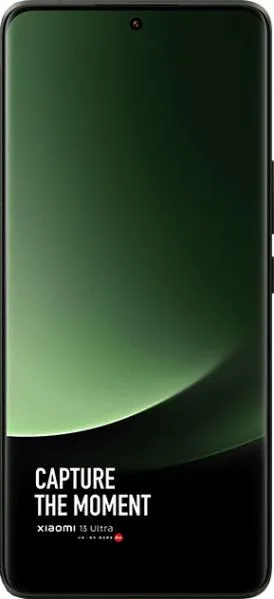
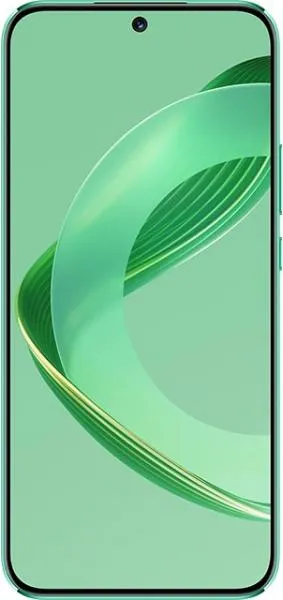
1. Specifications Comparison
| Feature | Xiaomi 13 Ultra | Huawei nova 11 | Practical Impact |
|---|---|---|---|
| Design | |||
| Dimensions (mm) | 163.2 x 74.6 x 9.1 | 161.3 x 75 x 6.9 | Xiaomi is slightly larger and noticeably thicker. Huawei is significantly lighter and more pocketable. |
| Weight (g) | 227 | 168 | Significant weight difference; Huawei will be more comfortable for extended use. |
| Build Materials | Missing | Missing | Cannot compare build quality and durability. |
| Display | |||
| Display Type | 6.73" LTPO AMOLED | 6.7" OLED | Both offer vibrant colors and deep blacks. Xiaomi's LTPO panel allows for dynamic refresh rate, potentially saving battery. |
| Resolution | 1440 x 3200 | 1080 x 2412 | Xiaomi has a significantly sharper display, noticeable in text clarity and image detail. |
| Peak Brightness | 2600 nits | 950 nits | Xiaomi offers superior outdoor visibility in direct sunlight. |
| Refresh Rate | 120Hz | 120Hz | Both offer smooth scrolling and animations. |
| Performance | |||
| Chipset | Snapdragon 8 Gen 2 | Snapdragon 778G 4G | Xiaomi boasts a flagship processor, offering significantly faster performance in demanding tasks and gaming. Huawei's chipset is mid-range, sufficient for everyday use but less powerful. |
| RAM | 12GB/16GB | 8GB | Xiaomi offers more RAM, enabling better multitasking and smoother performance with memory-intensive applications. |
| Storage | 256GB/512GB/1TB | 128GB/256GB/512GB | Xiaomi provides higher storage options for users with large media libraries. |
| Camera | |||
| Rear Camera | 50MP Quad Camera (Leica) | 50MP + 8MP Dual Camera | Xiaomi features a more versatile camera system with Leica optics, offering superior image quality and zoom capabilities. Huawei's dual camera setup is more basic. |
| Selfie Camera | 32MP | 60MP | Huawei boasts a higher resolution selfie camera, potentially capturing more detail. However, sensor size and processing play a crucial role in image quality, which cannot be assessed with the provided data. |
| Video Recording | Up to 8K@24fps | Up to 720p@960fps (Slow-mo) | Xiaomi offers much higher resolution video recording, while Huawei focuses on high frame rate slow-motion capture. |
| Battery | |||
| Capacity | 5000mAh | 4500mAh | Xiaomi has a larger battery, potentially offering longer usage time. Real-world battery life depends on various factors, including software optimization. |
| Charging Speed | Missing | Missing | Cannot compare charging speeds. |
2. Key Differences Analysis
Xiaomi 13 Ultra Advantages:
- Flagship Performance: Snapdragon 8 Gen 2 offers significantly faster processing and graphics performance.
- Superior Display: Sharper, brighter LTPO AMOLED display with dynamic refresh rate.
- Versatile Camera System: Leica-tuned quad camera with advanced features and zoom capabilities.
- Larger Battery: Potentially longer battery life.
Huawei nova 11 Advantages:
- Lighter and Thinner: More comfortable for one-handed use and portability.
- Lower Price: Significantly more affordable.
- Higher Resolution Selfie Camera: Potentially captures more detail in selfies (depending on sensor quality and image processing).
- High Frame Rate Slow Motion: Captures dramatic slow-motion videos.
3. User Profiles & Recommendations
Xiaomi 13 Ultra: Ideal for power users, photographers, videographers, and gamers who demand top-tier performance, a stunning display, and a versatile camera system. Price is a secondary concern.
Huawei nova 11: Suitable for budget-conscious users who prioritize portability and a sleek design. Adequate for everyday tasks, social media, and casual photography. Not ideal for demanding gaming or professional content creation.
4. Decision Framework
Key Questions for Buyers:
- What is your budget? The Xiaomi is a premium flagship device, while the Huawei is a mid-range option.
- What are your primary use cases? Demanding tasks, gaming, and professional photography/videography favor the Xiaomi. Everyday use, social media, and casual photography can be sufficiently handled by the Huawei.
- Do you prioritize performance and features or portability and affordability? The Xiaomi prioritizes the former, while the Huawei emphasizes the latter.
My Choice: Xiaomi 13 Ultra
While the Huawei nova 11 offers excellent value for its price, the Xiaomi 13 Ultra is the clear winner for me. I prioritize performance, a high-quality display, and a versatile camera system. The Snapdragon 8 Gen 2, the stunning LTPO AMOLED screen, and the Leica-tuned quad camera make the Xiaomi 13 Ultra a compelling package. The extra weight is a minor trade-off for the significant performance and feature advantages. The higher price is justified by the premium experience it delivers. I am willing to invest in a device that offers top-of-the-line specifications and a future-proof experience.
