1. Specifications Comparison
| Feature | Xiaomi 13 Ultra | HTC U23 Pro | Practical Impact |
|---|---|---|---|
| Design | |||
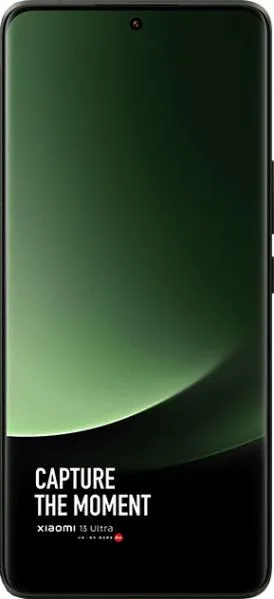
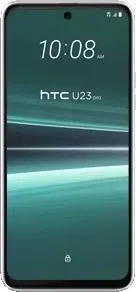
| Dimensions (mm) | 163.2 x 74.6 x 9.1 | 166.6 x 77.1 x 8.9 | The Xiaomi is slightly smaller and thinner. |
| Weight (g) | 227 | 205 | The HTC is noticeably lighter, improving one-handed use. |
| Build Materials | Missing | Missing | Build quality and durability are unknown without this information. |
| Display | |||
| Display Type | 6.73" LTPO AMOLED | 6.7" OLED | The Xiaomi's LTPO AMOLED offers better power efficiency and potentially higher peak brightness with superior color accuracy due to the 68B color depth. |
| Resolution | 1440 x 3200 | 1080 x 2400 | Sharper, more detailed visuals on the Xiaomi. Noticeable difference in clarity for text and images. |
| Refresh Rate | 120Hz | 120Hz | Both offer smooth scrolling and animations. |
| Peak Brightness | 2600 nits | Missing | The Xiaomi's extremely high peak brightness ensures excellent outdoor visibility. We can't compare to the HTC without its peak brightness spec. |
| Performance | |||
| Chipset | Snapdragon 8 Gen 2 | Snapdragon 7 Gen 1 | Significant performance advantage for the Xiaomi in demanding tasks like gaming and multitasking. |
| CPU | Octa-core (1x3.2 GHz Cortex-X3 & 2x2.8 GHz Cortex-A715 & 2x2.8 GHz Cortex-A710 & 3x2.0 GHz Cortex-A510) | Octa-core (1x2.4 GHz Cortex-A710 & 3x2.36 GHz Cortex-A710 & 4x1.8 GHz Cortex-A510) | The Xiaomi boasts faster clock speeds and a more powerful core configuration, leading to significantly improved performance. |
| RAM | 12/16GB | 8/12GB | The Xiaomi offers more RAM in some configurations, further enhancing multitasking capabilities. |
| Camera | |||
| Main Camera | 50MP, Sony IMX989, 1" sensor | 108MP, unspecified sensor | While the HTC has a higher resolution, the Xiaomi's larger 1" sensor likely performs better in low light and offers superior dynamic range. |
| Other Cameras | 50MP Ultrawide, 50MP Telephoto (2x), 50MP Periscope Telephoto (5x) | 8MP ultrawide, 5MP depth, 2MP macro | The Xiaomi offers superior telephoto capabilities and higher resolution auxiliary lenses for greater versatility. The HTC's auxiliary cameras are less impressive on paper. |
| Battery | |||
| Capacity | 5000 mAh | 4600 mAh | Larger battery on the Xiaomi, potentially leading to longer battery life. |
| Charging Speed | Missing | Missing | Charging speed comparison is impossible without this data. |
2. Key Differences Analysis
Xiaomi 13 Ultra Advantages:
- Superior Performance: Snapdragon 8 Gen 2 offers a significant performance advantage.
- Brighter, Sharper Display: LTPO AMOLED with higher resolution and peak brightness.
- More Versatile Camera System: Leica-tuned lenses, larger sensor size, and better telephoto capabilities.
- Larger Battery: Potentially longer battery life.
HTC U23 Pro Advantages:
- Lower Price: Significantly more affordable.
- Lighter Weight: More comfortable for extended use.
Trade-offs:
- The Xiaomi's superior features come at a much higher price.
- The HTC sacrifices performance and camera quality for affordability.
3. User Profiles & Recommendations
Xiaomi 13 Ultra: Ideal for power users, mobile photographers, and those who demand the best possible display and performance. Excellent for gaming, content creation, and consuming media.
HTC U23 Pro: Suitable for budget-conscious users who prioritize basic functionality and affordability. Good for everyday tasks like web browsing, social media, and light gaming.
4. Decision Framework
Key Questions:
- What is your budget? The Xiaomi is a premium flagship, while the HTC is a mid-range device.
- What are your performance needs? For demanding tasks, the Xiaomi is far superior.
- How important is camera quality? The Xiaomi offers a significantly better camera system.
Scenario-Based Recommendations:
- Heavy gamer/power user: Xiaomi 13 Ultra
- Budget-conscious user: HTC U23 Pro
- Photography enthusiast: Xiaomi 13 Ultra
My Choice: Xiaomi 13 Ultra
While significantly more expensive, the Xiaomi 13 Ultra offers a compelling package of superior performance, display quality, and camera capabilities. The Snapdragon 8 Gen 2, coupled with the high-resolution LTPO AMOLED display, ensures a smooth and visually stunning user experience. The Leica-tuned camera system is a major selling point for photography enthusiasts. Although the HTC U23 Pro offers a more affordable option, the compromises in performance and camera quality are too significant for my needs. I prioritize a premium user experience and am willing to pay for the best available technology. The lighter weight of the HTC is appealing, but the overall package of the Xiaomi makes it the clear winner for me.
