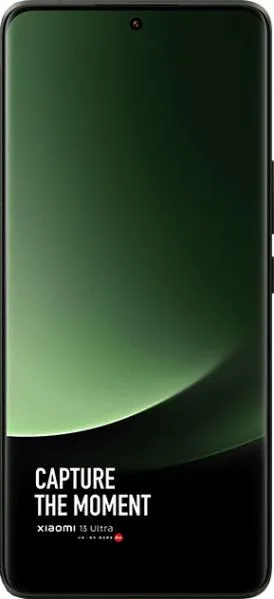
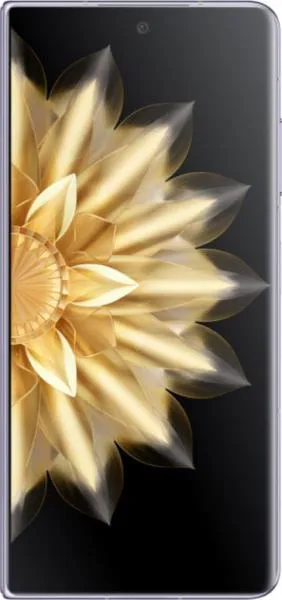
1. Specifications Comparison
| Feature | Xiaomi 13 Ultra | Honor Magic V3 | Practical Impact |
|---|---|---|---|
| Design | |||
| Dimensions (mm) | 163.2 x 74.6 x 9.1 | 156.6 x 145.3 x 4.35 (folded) | Magic V3 significantly thinner when folded, showcasing its foldable nature but wider when unfolded. 13 Ultra is a more traditional candybar design. |
| Weight (g) | 227 | 226 | Negligible weight difference. |
| Foldable | No | Yes | Magic V3 offers a larger screen real estate and portability due to its folding capability. 13 Ultra offers a more robust, traditional form factor. |
| Display | |||
| Size (inches) | 6.73 | 7.92 (unfolded), ~6.43 (folded - external display specs unclear) | Magic V3 provides a significantly larger main display for multitasking and media consumption when unfolded. Folded size comparison is limited due to unclear external display specs. |
| Resolution (px) | 1440 x 3200 | 2156 x 2344 | Sharper image on the 13 Ultra due to higher pixel density despite slightly smaller size. |
| Type | LTPO AMOLED | LTPO AMOLED | Both offer excellent color accuracy, deep blacks, and power efficiency. |
| Refresh Rate (Hz) | 120 | 120 | Both offer smooth scrolling and animations. |
| Peak Brightness (nits) | 2600 | 1800 | 13 Ultra offers superior outdoor visibility. |
| Performance | |||
| Chipset | Snapdragon 8 Gen 2 | Snapdragon 8 Gen 3 | Magic V3 boasts a newer generation chipset, likely resulting in faster processing speeds and improved graphics performance. |
| CPU | Octa-core (up to 3.2 GHz) | Octa-core (up to 3.3 GHz) | Marginal difference in CPU clock speed, but Gen 3 architecture improvements might offer a performance boost in the Magic V3. |
| GPU | Adreno 740 | Adreno 750 | Magic V3 likely has a more powerful GPU, leading to better gaming and graphics-intensive task handling. |
| RAM (GB) | 12 | 12 | Both offer ample RAM for multitasking. |
| Camera | |||
| Main Camera (MP) | 50 (1-inch sensor) | 50 | 13 Ultra features a significantly larger sensor, potentially capturing more light and detail, especially in low-light conditions. |
| Telephoto | Yes (multiple lenses) | Yes | Both have telephoto capabilities, but the specific zoom ranges and quality require further comparison given limited Honor Magic V3 details. |
| Ultrawide | Yes | Yes | Both offer ultrawide capabilities, but the field of view and quality are unclear for the Magic V3. |
| DXOMark Score | 140 (Mobile) | 137 (Mobile) | 13 Ultra slightly edges out in overall camera quality according to DXOMark, but real-world experience might vary. |
| Battery | |||
| Capacity (mAh) | 5000 | 5150 | Slightly larger battery in the Magic V3, but real-world battery life depends on numerous factors including display size and usage patterns. |
2. Key Differences Analysis
Xiaomi 13 Ultra Advantages:
- Superior Camera System: Larger main sensor and Leica collaboration suggest better image quality, especially in low light.
- Brighter Display: Significantly higher peak brightness enhances outdoor visibility.
- Potentially Lower Price: While both are high-priced, the 13 Ultra may be more affordable based on initial pricing.
Honor Magic V3 Advantages:
- Foldable Design: Offers a larger screen when needed and increased portability when folded.
- Newer Generation Chipset: Snapdragon 8 Gen 3 likely provides faster performance and better efficiency.
- Slightly Larger Battery: Potentially longer battery life, but real-world usage will vary.
Trade-offs:
- Foldability vs. Durability: Magic V3's foldable design might be less durable than the 13 Ultra's traditional form factor.
- Screen Size vs. Portability: Magic V3's larger screen enhances productivity and media consumption but sacrifices one-handed usability when unfolded.
3. User Profiles & Recommendations
Xiaomi 13 Ultra: Ideal for users prioritizing camera quality, a bright display, and a robust traditional smartphone experience. Excellent for photography enthusiasts, content creators, and those who consume media outdoors.
Honor Magic V3: Best suited for users who value a large screen for multitasking and media consumption, along with the portability of a foldable device. Ideal for productivity-focused individuals, frequent travelers, and those who enjoy watching videos or playing games on a larger screen.
4. Decision Framework
Key Questions for Buyers:
- How important is a foldable design? Are you willing to potentially compromise durability for a larger screen and portability?
- What is your budget? Both phones are expensive, but the Magic V3 is likely to be pricier.
- What are your primary use cases? Photography enthusiasts might prefer the 13 Ultra, while productivity-focused users might lean towards the Magic V3.
My Choice: Xiaomi 13 Ultra
While the Honor Magic V3 offers intriguing features like foldability and a newer chipset, the Xiaomi 13 Ultra's superior camera system and brighter display are more compelling to me. I prioritize image quality and outdoor visibility, and the 13 Ultra excels in these areas. The larger main sensor and Leica collaboration suggest a significant advantage in photography. Additionally, the brighter display is crucial for comfortable use in sunlight. While foldables are innovative, I prefer the robust feel and proven durability of a traditional smartphone design. The slightly older chipset in the 13 Ultra is unlikely to be a noticeable bottleneck for my daily usage. Ultimately, the 13 Ultra better aligns with my personal needs and preferences.
