1. Specifications Comparison
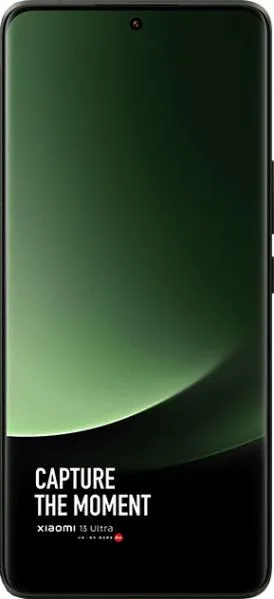
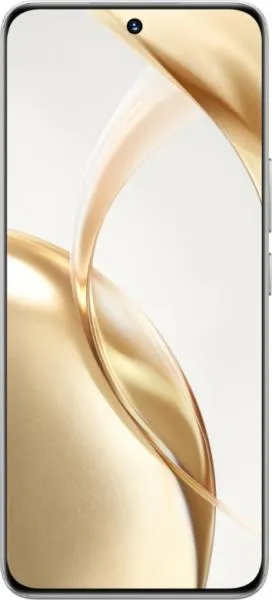
| Feature | Xiaomi 13 Ultra | Honor 200 | Practical Impact |
|---|---|---|---|
| Design | |||
| Dimensions (mm) | 163.2 x 74.6 x 9.1 | 161.5 x 74.6 x 7.7 | The Honor 200 is noticeably thinner and lighter, making it more pocketable and comfortable for one-handed use. |
| Weight (g) | 227 | 187 | Significant weight difference; Honor 200 will feel less bulky. |
| Display | |||
| Display Type | 6.73" LTPO AMOLED | 6.7" OLED | Xiaomi's LTPO panel offers better power efficiency with dynamic refresh rate adjustment, leading to longer battery life. |
| Resolution | 1440 x 3200 | 1200 x 2664 | Xiaomi offers a sharper display with more detail, noticeable in tasks like reading and viewing high-resolution images/videos. |
| Peak Brightness | 2600 nits | 4000 nits | Honor 200's significantly higher peak brightness ensures better visibility in direct sunlight. |
| Color Depth | 68B | 1B | Xiaomi's display capable of displaying a wider range of colors, resulting in a richer, more accurate visual experience. |
| HDR Support | Dolby Vision, HDR10+ | HDR | Xiaomi supports wider HDR standards, providing better dynamic range and color accuracy in compatible content. Missing specifics on HDR standard for Honor 200 limit full analysis. |
| Performance | |||
| Chipset | Snapdragon 8 Gen 2 | Snapdragon 7 Gen 3 | Xiaomi's flagship processor significantly outperforms Honor's mid-range chip, offering smoother multitasking, faster app loading, and better gaming performance. |
| CPU | Octa-core (1x3.2 GHz Cortex-X3 & 2x2.8 GHz Cortex-A715 & 2x2.8 GHz Cortex-A710 & 3x2.0 GHz Cortex-A510) | Octa-core (1x2.63 GHz Cortex-A715 & 4x2.4 GHz Cortex-A715 & 3x1.8 GHz Cortex-A510) | Xiaomi boasts higher clock speeds across its CPU cores, resulting in noticeable performance gains. |
| GPU | Adreno 740 | Adreno 720 | Xiaomi's superior GPU ensures smoother graphics rendering, especially beneficial for demanding games and applications. |
| RAM | 12GB | 12GB | Both phones offer ample RAM for smooth multitasking. |
| Camera | |||
| Main Camera | 50MP, 1" Sony IMX989 | 50MP, Sony IMX906 | Xiaomi's larger sensor size (1") allows for significantly better light capture, resulting in superior low-light performance and improved dynamic range. |
| Telephoto | Yes, multiple lenses with varying zoom levels | Yes, one lens with unspecified zoom | Xiaomi features a more versatile telephoto system with multiple lenses offering different optical zoom capabilities and potentially better image quality. Missing details for Honor 200 limit comparison. |
| Ultrawide | 50MP | 12MP | Xiaomi has a considerably higher resolution ultrawide camera, potentially offering more detail and better image quality. |
| Battery | |||
| Capacity | 5000 mAh | 5200 mAh | Honor 200 has a slightly larger battery capacity, but real-world battery life will depend on factors like software optimization and display efficiency. |
| USB Version | USB 3.2 | USB 2.0 | Xiaomi offers significantly faster data transfer speeds via USB. |
2. Key Differences Analysis
Xiaomi 13 Ultra Advantages:
- Superior Performance: The Snapdragon 8 Gen 2 offers significantly better performance in all aspects compared to the Snapdragon 7 Gen 3.
- Higher Quality Display: Sharper, higher resolution with better color accuracy and power efficiency due to LTPO technology.
- More Versatile and Powerful Camera System: Larger main sensor, multiple telephoto lenses, and a higher-resolution ultrawide sensor.
- Faster Data Transfer: USB 3.2 enables much faster data transfer speeds.
Honor 200 Advantages:
- Lighter and Thinner Design: More comfortable for one-handed use and portability.
- Higher Peak Brightness: Better visibility outdoors in direct sunlight.
- Lower Price: Significantly more affordable than the Xiaomi 13 Ultra.
- Slightly larger battery: Potentially longer battery life, although this depends on other factors as well.
Trade-offs:
- Performance vs. Price: Honor 200 sacrifices performance for affordability.
- Camera Quality vs. Price: Xiaomi 13 Ultra's superior camera system comes at a premium price.
3. User Profiles & Recommendations
Xiaomi 13 Ultra: Ideal for users who prioritize top-tier performance, the best possible camera quality, a sharp and vibrant display, and are willing to pay a premium price. Suitable for demanding tasks like mobile gaming, professional photography/videography, and content creation.
Honor 200: Ideal for budget-conscious users who prioritize a lightweight and slim design, good battery life, and a bright display for outdoor use. Suitable for everyday tasks like social media browsing, web surfing, casual photography, and light gaming.
4. Decision Framework
Key Questions for Buyers:
- What is your budget? The Xiaomi 13 Ultra is a high-end flagship, while the Honor 200 is a mid-range device.
- What are your primary smartphone usage patterns? Do you require top-tier performance for gaming or content creation, or are your needs more basic?
- How important is camera quality to you? The Xiaomi 13 Ultra significantly outperforms the Honor 200 in this area.
Scenario-Based Recommendations:
- Heavy Gamer/Content Creator: Xiaomi 13 Ultra
- Budget-Conscious User: Honor 200
- Photography Enthusiast: Xiaomi 13 Ultra
My Choice: Xiaomi 13 Ultra
While the Honor 200 offers a compelling package for its price, the Xiaomi 13 Ultra aligns better with my priorities. I value a high-performance device with a top-tier camera system and a sharp, vibrant display. The benefits of the Snapdragon 8 Gen 2, the advanced camera features (especially the larger sensor size), and the superior display quality outweigh the price difference and the slightly bulkier design for me. The faster USB transfer speeds are also a significant plus for my workflow. Although the Honor 200 is lighter and has higher peak brightness, these advantages don't outweigh the significant performance and camera differences for my personal use. The longer potential battery life of the Honor 200 is attractive, but the Xiaomi's LTPO display should mitigate some of the difference in real-world usage.
