1. Specifications Comparison
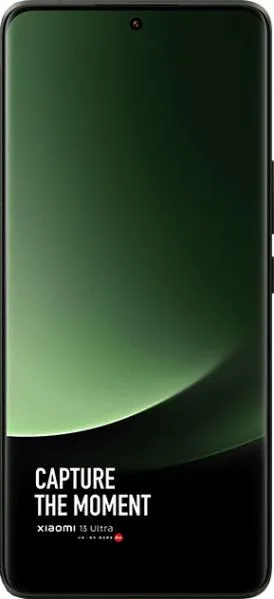
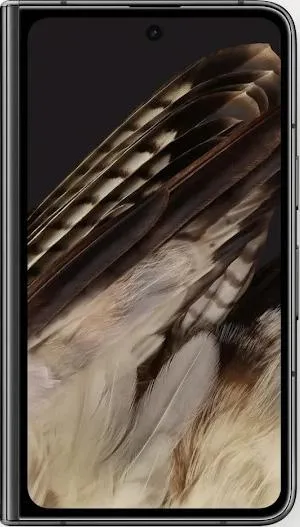
| Feature | Xiaomi 13 Ultra | Google Pixel Fold | Practical Impact |
|---|---|---|---|
| Design | |||
| Dimensions (mm) | 163.2 x 74.6 x 9.1 | 139.7 x 158.7 x 5.8 (folded); 139.7 x 79.5 x 12.1 (unfolded) | Pixel Fold significantly wider when unfolded due to its foldable nature, Xiaomi 13 Ultra thinner and more pocketable. |
| Weight (g) | 227 | 283 | Pixel Fold noticeably heavier due to folding mechanism. |
| Foldable | No | Yes | Pixel Fold offers a larger screen in a more compact folded size, but with added weight and thickness. |
| Build Material | Not specified | Not specified | Build quality and durability cannot be compared without further information. |
| Display | |||
| Display Type | 6.73" LTPO AMOLED | 7.6" Foldable OLED (inner); 5.8" OLED (outer) | Pixel Fold boasts larger main display for immersive content consumption; Xiaomi 13 Ultra's LTPO panel provides better power efficiency. Pixel Fold has a usable cover display. |
| Resolution | 1440 x 3200 | 2208 x 1840 (inner); 1080 x 2092 (outer) | Both offer sharp displays; Pixel Fold's inner display has a slightly lower pixel density due to its larger size. Its outer display is smaller but usable. |
| Refresh Rate | 120Hz | 120Hz | Both provide smooth scrolling and animations. |
| Peak Brightness | 2600 nits | 1450 nits (inner); 1500 nits (outer) | Xiaomi 13 Ultra offers significantly higher peak brightness for better outdoor visibility. |
| Performance | |||
| Chipset | Snapdragon 8 Gen 2 | Google Tensor G2 | Snapdragon 8 Gen 2 generally offers better raw performance in benchmarks, but Tensor G2 excels in AI and machine learning tasks. |
| CPU | Octa-core (3.2 GHz Cortex-X3...) | Octa-core (2.85 GHz Cortex-X1...) | Xiaomi 13 Ultra likely to have a performance edge in demanding applications. |
| GPU | Adreno 740 | Mali-G710 MP7 | Adreno 740 generally provides better gaming performance. |
| RAM | 12GB | 12GB | Both offer ample RAM for multitasking. |
| Camera | |||
| Main Camera | 50MP (1" Sony IMX989) | 48MP | Xiaomi 13 Ultra boasts a significantly larger sensor for superior low-light performance and depth of field. |
| Telephoto | 50MP (3.2x & 5x) | 10.8MP (5x) | Xiaomi 13 Ultra offers higher resolution telephoto capabilities. |
| Ultrawide | 50MP | 10.8MP | Xiaomi 13 Ultra offers significantly higher resolution ultrawide. |
| DXOMARK Score | 140 | 133 | Xiaomi 13 Ultra rated higher overall for camera quality by DXOMARK. |
| Battery | |||
| Capacity | 5000 mAh | 4821 mAh | Similar battery capacities; real-world battery life depends on usage and software optimization. Pixel Fold's larger inner display might consume more power. |
2. Key Differences Analysis
Xiaomi 13 Ultra Advantages:
- Superior Camera System: Larger main sensor, higher resolution telephoto and ultrawide lenses.
- Brighter Display: Significantly higher peak brightness for excellent outdoor visibility.
- Potentially Better Performance: Snapdragon 8 Gen 2 generally outperforms Tensor G2 in benchmarks.
- More Pocketable: Slimmer and lighter than the Pixel Fold.
Google Pixel Fold Advantages:
- Foldable Form Factor: Larger inner display for immersive experiences, compact when folded.
- Unique Software Features: Pixel-exclusive software features and faster updates.
- Cover Display: Offers functionality when folded.
3. User Profiles & Recommendations
Xiaomi 13 Ultra: Ideal for users prioritizing camera quality, performance, and a traditional smartphone form factor. Excellent for photography enthusiasts, mobile gamers, and those who need a bright display for outdoor use.
Google Pixel Fold: Best suited for users who value a large screen for productivity and media consumption but also want a pocketable device. Great for multitasking, watching videos, reading, and those who want the latest innovations in smartphone technology.
4. Decision Framework
Key Questions for Buyers:
- Form Factor Preference: Do you prioritize a traditional smartphone or a foldable device?
- Camera Importance: How important is camera quality for your daily usage?
- Budget: Which phone offers the best value for your budget considering its features?
Scenario-Based Recommendations:
- Photography Enthusiast: Xiaomi 13 Ultra
- Multitasking Power User: Google Pixel Fold
- Outdoor User: Xiaomi 13 Ultra
- Budget-Conscious Buyer: Neither phone is truly budget-friendly, but Google Pixel Fold may have more aggressive discounts due to being older.
My Choice: Xiaomi 13 Ultra
While the Pixel Fold's foldable technology is intriguing, the Xiaomi 13 Ultra's superior camera system, brighter display, and likely better overall performance make it the more compelling device for me. I prioritize image quality and a smooth user experience, and the 13 Ultra delivers in these areas. The Pixel Fold's added weight and bulk, combined with potential performance trade-offs for the Tensor G2, make it less appealing. The significantly brighter display of the 13 Ultra is also a major factor for me, as I frequently use my phone outdoors. Finally, while foldable phones are innovative, the technology is still maturing, and I prefer the reliability and established form factor of a traditional smartphone.
