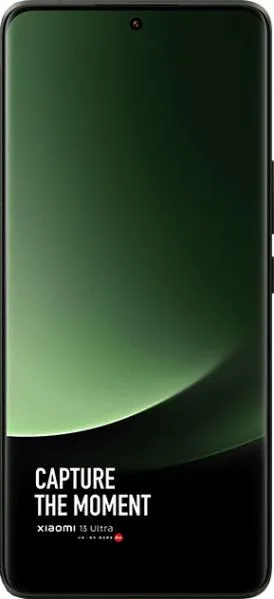
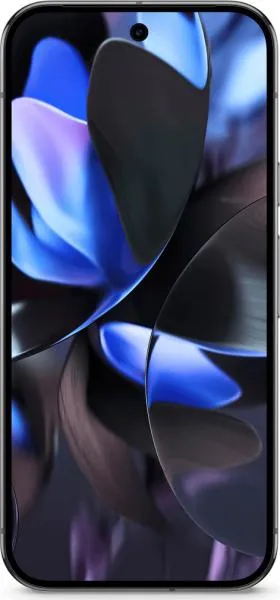
1. Specifications Comparison
| Feature | Xiaomi 13 Ultra | Google Pixel 9 Pro XL | Practical Impact |
|---|---|---|---|
| Design | |||
| Dimensions (mm) | 163.2 x 74.6 x 9.1 | 162.8 x 76.6 x 8.5 | Pixel is slightly wider and shorter, Xiaomi slightly thinner. Negligible difference in hand feel. |
| Weight (g) | 227 | 221 | Virtually identical weight; both will feel substantial in hand. |
| Build | Unspecified | Unspecified | Build materials and durability are unknown and cannot be compared. |
| Display | |||
| Display Size (inches) | 6.73 | 6.8 | Pixel offers a marginally larger display. |
| Resolution (px) | 1440 x 3200 | 1344 x 2992 | Xiaomi has a sharper display with higher pixel density (522 vs 486 PPI). Noticeably crisper text and images on the Xiaomi. |
| Display Type | LTPO AMOLED | LTPO OLED | Both offer adaptive refresh rates for power efficiency. AMOLED generally offers better contrast than OLED. |
| Peak Brightness (nits) | 2600 | 3000 | Pixel's higher peak brightness improves outdoor visibility. |
| Performance | |||
| Chipset | Snapdragon 8 Gen 2 | Google Tensor G4 | Snapdragon generally known for better raw performance, Tensor for AI and machine learning optimizations. Expect Pixel to excel in AI-driven tasks like photography and voice assistance, Xiaomi in demanding games. |
| CPU | Octa-core (1x3.2 GHz X3...) | Octa-core (1x3.1 GHz X4...) | Both are high-end CPUs. Cortex-X4 in Pixel is newer but clock speed difference is minimal. Real-world performance likely very close. |
| GPU | Adreno 740 | Mali-G715 MC7 | Adreno 740 generally considered more powerful for gaming. |
| RAM | 12GB | 16GB | Pixel has significantly more RAM, enabling better multitasking and smoother performance with many apps open. |
| Camera | |||
| Main Camera (MP) | 50 (1-inch sensor) | 50 | Xiaomi boasts a larger 1-inch sensor, promising superior low-light performance and depth of field. |
| Ultrawide (MP) | 50 | 48 | Comparable ultrawide cameras. |
| Telephoto (MP) | 50 (Dual Telephoto) | 48 | Xiaomi offers dual telephoto lenses for greater zoom versatility. |
| DXOMark Score | 140 | 158 | Pixel scores significantly higher in DXOMark, suggesting superior overall image and video quality. However, DXOMark doesn't capture all aspects of real-world camera performance. |
| Battery | |||
| Capacity (mAh) | 5000 | 5060 | Negligible difference in battery capacity. Real-world battery life will depend more on software optimization and usage patterns. |
2. Key Differences Analysis
Xiaomi 13 Ultra Advantages:
- Sharper Display: Higher resolution provides a more detailed viewing experience.
- Larger Main Camera Sensor: Potentially better low-light performance and depth of field.
- More Versatile Telephoto: Dual telephoto lenses offer greater zoom range.
- Potentially Better Gaming Performance: Adreno GPU generally favored for gaming.
Google Pixel 9 Pro XL Advantages:
- Brighter Display: Improved outdoor visibility.
- Higher DXOMark Score: Suggests better overall camera quality according to standardized testing.
- More RAM: Superior multitasking and smoother performance under heavy load.
- Longer Software Support: Pixel phones typically receive more OS updates.
- AI-Optimized Performance: Tensor G4 excels in AI tasks like photography and voice assistance.
3. User Profiles & Recommendations
Xiaomi 13 Ultra: Users prioritizing display sharpness, potential camera hardware advantages (especially low light and zoom), and potentially smoother gaming.
Google Pixel 9 Pro XL: Users who value software updates, camera performance as validated by DXOMark, AI features, a bright display, and excellent multitasking capabilities.
4. Decision Framework
Key Questions for Buyers:
- How important is display sharpness vs. brightness?
- Do you prioritize raw camera hardware or AI-enhanced image processing?
- How much do you value software updates and longevity?
Scenario-Based Recommendations:
- Photography Enthusiast: Pixel 9 Pro XL for its overall camera performance and AI features.
- Gamer: Xiaomi 13 Ultra for its potentially superior gaming performance.
- Power User: Pixel 9 Pro XL for its large RAM and software support.
My Choice: Google Pixel 9 Pro XL
While the Xiaomi 13 Ultra boasts impressive hardware, especially in the camera and display departments, the Pixel 9 Pro XL's overall package is more compelling to me. The combination of a bright display, excellent camera performance validated by DXOMark, superior RAM for multitasking, longer software support, and the Tensor G4's AI capabilities make it a more well-rounded device. Although DXOMark isn't a perfect metric, it provides a standardized benchmark that suggests the Pixel delivers consistently excellent image quality. Furthermore, Google's commitment to software updates ensures the phone will remain secure and feature-rich for longer. The larger RAM in the Pixel is also significant for a power user. Finally, while the Xiaomi might offer a slight edge in gaming, the Pixel's Tensor G4 is likely to provide a more seamless and intelligent overall user experience.
