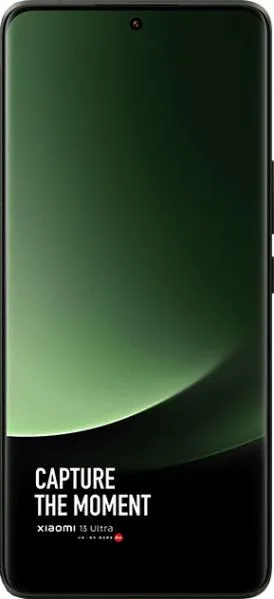
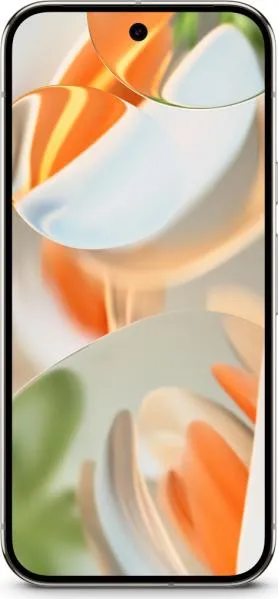
1. Specifications Comparison
| Feature | Xiaomi 13 Ultra | Google Pixel 9 Pro | Practical Impact |
|---|---|---|---|
| Design | |||
| Dimensions (mm) | 163.2 x 74.6 x 9.1 | 152.8 x 72.0 x 8.5 | Pixel 9 Pro is noticeably smaller and more pocketable. |
| Weight (g) | 227 | 199 | Pixel 9 Pro is significantly lighter, reducing hand fatigue. |
| Build | Material specifications missing for both phones, limiting comparison. | ||
| Display | |||
| Size (inches) | 6.73 | 6.3 | Xiaomi offers a larger screen for more immersive content consumption. |
| Resolution | 1440 x 3200 | 1280 x 2856 | Xiaomi has a sharper display (522 ppi vs 495 ppi), but the difference might be negligible in real-world use. |
| Technology | LTPO AMOLED | LTPO OLED | Both offer excellent contrast and power efficiency. Practical differences between AMOLED and OLED are minimal. |
| Peak Brightness (nits) | 2600 | 3000 | Pixel 9 Pro can get brighter, improving outdoor visibility. |
| Refresh Rate (Hz) | 120 | 120 | Both offer smooth scrolling and animations. |
| Performance | |||
| Chipset | Snapdragon 8 Gen 2 | Google Tensor G4 | Both are flagship chipsets, but real-world performance depends on optimization. Benchmark scores would offer better comparison. |
| CPU | Octa-core (1x3.2 GHz X3 & 2x2.8 GHz A715 & 2x2.8 GHz A710 & 3x2.0 GHz A510) | Octa-core (1x3.1 GHz X4 & 3x2.6 GHz A720 & 4x1.92 GHz A520) | Core configurations differ, but practical performance depends on workload and software. |
| GPU | Adreno 740 | Mali-G715 MC7 | Gaming performance comparison requires benchmarks and real-world testing. |
| RAM (GB) | 12 | 16 | Pixel 9 Pro has more RAM, potentially improving multitasking and app switching. |
| Camera | |||
| Main Camera (MP) | 50 | 50 | Megapixel count is similar, but sensor size, aperture, and processing play a more significant role in image quality. |
| Sensor Size (Main) | 1" | 1/1.3" | Xiaomi's larger sensor potentially captures more light, improving low-light performance. |
| Other Cameras | 3x 50MP Telephoto, Wide, Macro | 48MP Wide, 48MP Telephoto | Xiaomi offers a more versatile camera system with dedicated telephoto lenses. |
| Battery | |||
| Capacity (mAh) | 5000 | 4700 | Xiaomi has a slightly larger battery, but actual battery life depends on usage and optimization. |
2. Key Differences Analysis
Xiaomi 13 Ultra Advantages:
- Larger Display: More immersive for media consumption.
- Potentially Superior Camera System: Leica-tuned lenses, larger main sensor, more versatile telephoto options.
- Larger Battery: Potentially longer battery life.
Google Pixel 9 Pro Advantages:
- Smaller and Lighter: More comfortable for one-handed use and portability.
- Brighter Display: Better outdoor visibility.
- More RAM: Enhanced multitasking and smoother performance with demanding apps.
- Longer Software Support: Guaranteed updates up to Android 21.
3. User Profiles & Recommendations
Xiaomi 13 Ultra: Ideal for users prioritizing camera quality, a large display for media consumption, and potentially longer battery life. Suitable for photography enthusiasts, videographers, and heavy media consumers.
Google Pixel 9 Pro: Ideal for users who value a compact and lightweight phone with a bright display, smooth performance, and extended software support. Suitable for users who prioritize software updates, portability, and multitasking.
4. Decision Framework
Key Questions for Buyers:
- What is your priority: camera quality or portability?
- How important is software update longevity?
- What is your budget and perceived value for the price difference?
Scenario-Based Recommendations:
- Photography Enthusiast: Xiaomi 13 Ultra
- Frequent Traveler: Google Pixel 9 Pro (lighter and smaller)
- Power User: Google Pixel 9 Pro (more RAM, longer software support)
My Choice: Google Pixel 9 Pro
While the Xiaomi 13 Ultra boasts an impressive camera system and larger display, the Google Pixel 9 Pro better aligns with my personal preferences. I value software updates, a compact form factor, and a smooth user experience. The Pixel's lighter weight and guaranteed updates up to Android 21 are significant advantages for me. The brighter display is also a plus for outdoor use. While the Xiaomi might offer a slightly better camera experience, the Pixel's camera is likely still excellent, and the trade-offs in portability and software support are not worth it for me personally. The potential price difference, considering the Pixel 9 Pro offers more storage in its base model, further reinforces my decision.
