1. Specifications Comparison
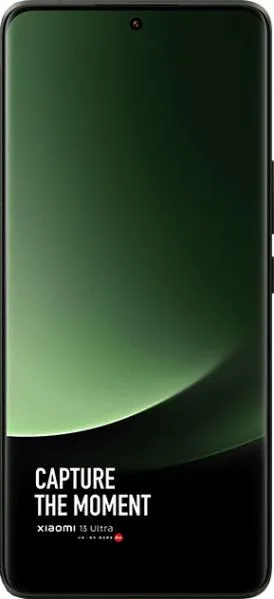
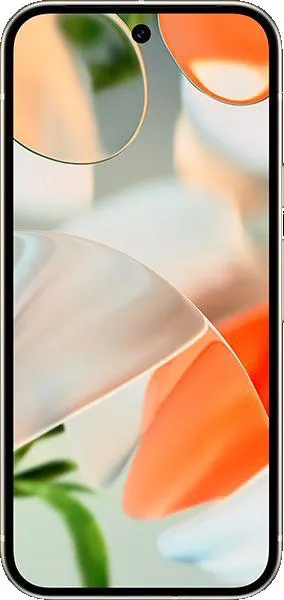
| Feature | Xiaomi 13 Ultra | Google Pixel 9 | Practical Impact |
|---|---|---|---|
| Design | |||
| Dimensions (mm) | 163.2 x 74.6 x 9.1 | 152.8 x 72 x 8.5 | Pixel 9 is noticeably smaller and more pocketable. |
| Weight (g) | 227 | 198 | Pixel 9 is significantly lighter, reducing hand fatigue. |
| Build | Material specifications missing for both, limiting comparison. | ||
| Display | |||
| Size (inches) | 6.73 | 6.3 | 13 Ultra offers a larger screen for more immersive content consumption. |
| Resolution | 1440 x 3200 | 1080 x 2424 | 13 Ultra has a much sharper display (522 ppi vs 422 ppi), resulting in crisper text and images. |
| Technology | LTPO AMOLED | OLED | 13 Ultra's LTPO panel allows for dynamic refresh rate adjustment, potentially saving battery. |
| Peak Brightness | 2600 nits | 2700 nits (peak), 1800 nits (HBM) | Pixel 9 might offer slightly better outdoor visibility, though sustained brightness is comparable to the 1300nits (HBM) of the 13 Ultra. |
| Performance | |||
| Chipset | Snapdragon 8 Gen 2 | Google Tensor G4 | Both are high-end chipsets, but real-world performance differences need benchmarking. |
| CPU | Octa-core (1x3.2 GHz Cortex-X3 & ...) | Octa-core (1x3.1 GHz Cortex-X4 & ...) | CPU configurations are similar, Tensor G4 is newer architecture, but practical performance differences require real-world testing. |
| GPU | Adreno 740 | Mali-G715 MC7 | Adreno 740 generally offers stronger gaming performance, but optimization for specific games matters. |
| RAM | 12GB | 12GB | Both have ample RAM for multitasking. |
| Camera | |||
| Rear Cameras | 50MP (wide) + 50MP (ultrawide + macro) + 50MP (telephoto) + 50MP (telephoto) | 50MP (wide) + 48MP (ultrawide + macro) | 13 Ultra boasts a more versatile quad-camera system with Leica lenses and superior zoom capabilities. Pixel relies heavily on computational photography. |
| Front Camera | 32MP | 10.5MP | 13 Ultra has a significantly higher resolution front camera. |
| Video | Up to 8K@24fps | Up to 4K@60fps | 13 Ultra supports 8K video recording. |
| Battery | |||
| Capacity | 5000 mAh | 4700 mAh | 13 Ultra has a slightly larger battery capacity. Real-world battery life depends on usage and optimization. |
2. Key Differences Analysis
Xiaomi 13 Ultra Advantages:
- Superior Display: Sharper, potentially more power-efficient due to LTPO.
- More Versatile Camera System: Quad camera setup with Leica lenses, offering broader focal lengths and potentially better image quality.
- Larger Battery: Potentially longer battery life.
- 8K Video Recording: For users who need the highest resolution video capture.
Google Pixel 9 Advantages:
- Smaller and Lighter: More comfortable for one-handed use and portability.
- Potentially Better Software Experience: Pixel phones are known for clean Android experience and timely updates directly from Google, guaranteed until at least 2027. Xiaomi's update schedule is less predictable.
- Lower Price: Pixel 9 offers competitive specifications at a lower price point.
- Computational Photography Prowess: Pixel phones are renowned for excellent image processing, potentially offsetting hardware differences.
3. User Profiles & Recommendations
Xiaomi 13 Ultra: Ideal for users who prioritize:
- Multimedia Consumption: Large, high-resolution display and powerful speakers.
- Photography Enthusiasts: Versatile camera system with advanced features and zoom capabilities.
- Power Users: Demanding tasks and gaming, benefiting from the Snapdragon 8 Gen 2.
Google Pixel 9: Ideal for users who prioritize:
- Portability and One-Handed Use: Smaller and lighter form factor.
- Clean Android Experience and Timely Updates: Stock Android with guaranteed long-term software support.
- Value for Money: Competitive specifications at a more affordable price.
- Reliable Camera Performance: Excellent image quality due to Google's computational photography algorithms.
4. Decision Framework
Key Questions for Buyers:
- What is your budget? The Xiaomi 13 Ultra is significantly more expensive.
- What are your primary use cases? Photography, gaming, multimedia consumption, or general use?
- Do you prioritize software updates and a clean Android experience?
Scenario-Based Recommendations:
- Budget-conscious user who values software updates: Pixel 9.
- Photography enthusiast who wants the best possible camera system: Xiaomi 13 Ultra.
- Power user who needs a large screen and top-tier performance: Xiaomi 13 Ultra.
My Choice: Google Pixel 9
While the Xiaomi 13 Ultra boasts impressive hardware, especially in the camera and display departments, the Pixel 9 offers a more compelling overall package for my needs. I prioritize a smooth, clean Android experience with guaranteed long-term updates, which the Pixel delivers. The Pixel 9's smaller size and lighter weight are also more appealing for daily use. While the camera hardware might be slightly less impressive on paper, Google's computational photography consistently delivers excellent results. Finally, the significantly lower price of the Pixel 9 makes it a better value proposition for me. I am willing to trade the 8K video, slightly larger screen, and potentially marginal performance gains for the software experience, pocketability, and lower price of the Pixel 9.
