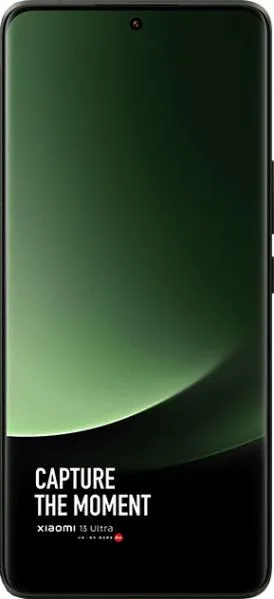
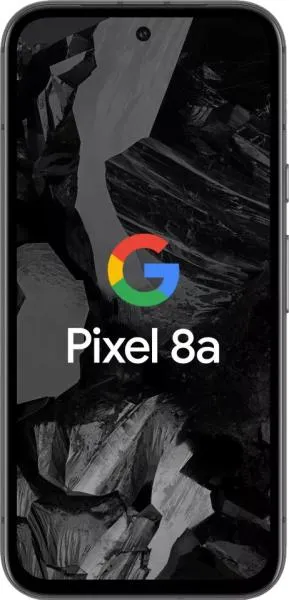
1. Specifications Comparison
| Feature | Xiaomi 13 Ultra | Google Pixel 8a | Practical Impact |
|---|---|---|---|
| Design | |||
| Dimensions (mm) | 163.2 x 74.6 x 9.1 | 152.1 x 72.7 x 8.9 | Pixel 8a is noticeably smaller and more pocketable. |
| Weight (g) | 227 | 188 | Pixel 8a is significantly lighter, reducing hand fatigue. |
| Build | Build materials not specified for either phone, limiting comparison. | ||
| Display | |||
| Display Type | 6.73" LTPO AMOLED | 6.1" OLED | Xiaomi offers a larger, potentially more immersive display with LTPO for better power efficiency. |
| Resolution | 1440 x 3200 | 1080 x 2400 | Xiaomi has a sharper display (522 ppi vs 430 ppi), resulting in clearer text and images. |
| Refresh Rate | 120Hz | 120Hz | Both offer smooth scrolling and animations. |
| Peak Brightness | 2600 nits | 2000 nits (peak) | Xiaomi's display will be more visible in direct sunlight. |
| Performance | |||
| Chipset | Snapdragon 8 Gen 2 | Google Tensor G3 | Both are high-performance chipsets, but benchmarks are needed for accurate comparison. |
| CPU | Octa-core (up to 3.2 GHz) | Nona-core (up to 3.0 GHz) | Core configuration differences require benchmark analysis for practical comparison. |
| RAM | 12GB | 8GB | Xiaomi offers more RAM for potentially better multitasking and app performance. |
| Camera | |||
| Rear Camera | 50MP Quad Camera System | 64MP + 13MP Dual Camera | Xiaomi features a Leica-tuned quad camera system with a larger 1-inch main sensor and versatile telephoto options; Pixel relies on Google's computational photography prowess. |
| Front Camera | 32MP | 13MP | Xiaomi has a higher resolution front camera. |
| Video Recording | Up to 8K@24fps | Up to 4K@60fps | Xiaomi offers higher resolution video recording. |
| Battery | |||
| Capacity | 5000 mAh | 4492 mAh | Xiaomi has a larger battery, potentially offering longer battery life. However real-world usage varies. |
2. Key Differences Analysis
Xiaomi 13 Ultra Advantages:
- Superior Display: Larger, sharper, brighter, and more power-efficient due to LTPO technology.
- More Versatile Camera System: Leica collaboration, larger main sensor, and multiple telephoto lenses.
- Higher RAM: Better multitasking performance.
- Larger Battery: Potential for longer battery life.
Google Pixel 8a Advantages:
- Smaller and Lighter: More comfortable for one-handed use and portability.
- Lower Price: Significantly more affordable.
- Google's Software and AI: Known for excellent image processing and timely software updates.
- Longer Software Support: Guaranteed updates up to Android 21.
3. User Profiles & Recommendations
Xiaomi 13 Ultra: Users who prioritize the best possible display, camera, and performance, and are willing to pay a premium. Ideal for photography enthusiasts, mobile gamers, and power users.
Google Pixel 8a: Users who value a compact and affordable phone with excellent camera quality and clean software experience. Best suited for everyday users, budget-conscious buyers, and those who prioritize software updates and ease of use.
4. Decision Framework
Key Questions for Buyers:
- What is your budget? The Pixel 8a is significantly cheaper.
- What are your priorities? Is camera quality, display, performance, or software updates most important?
- What is your preferred phone size? The Pixel 8a is smaller and lighter.
My Choice: Google Pixel 8a
While the Xiaomi 13 Ultra boasts impressive specifications, the Google Pixel 8a offers a compelling combination of performance, camera quality, and software experience at a significantly lower price point. The Pixel's compact size and guaranteed long-term software updates are also major advantages for me. I prioritize a smooth user experience and value for money over top-end specifications that I might not fully utilize. The Xiaomi's superior display and more versatile camera system are tempting, but the Pixel's computational photography and clean Android experience are more aligned with my needs.
