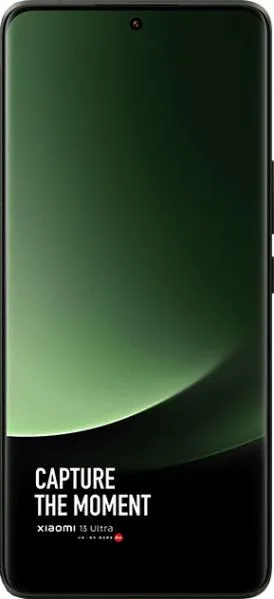
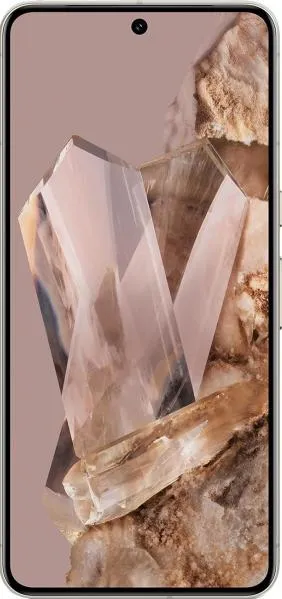
1. Specifications Comparison
| Feature | Xiaomi 13 Ultra | Google Pixel 8 Pro | Practical Impact |
|---|---|---|---|
| Design | |||
| Dimensions (mm) | 163.2 x 74.6 x 9.1 | 162.6 x 76.5 x 8.8 | Xiaomi 13 Ultra is slightly taller and thinner. Negligible difference in everyday use. |
| Weight (g) | 227 | 213 | Xiaomi 13 Ultra is noticeably heavier. Can impact one-handed use and pocket comfort. |
| Build | Unspecified | Unspecified | Build materials impact durability and premium feel. Information lacking for a complete comparison. |
| Display | |||
| Display Size (inches) | 6.73 | 6.7 | Negligible difference in screen real estate. |
| Resolution (px) | 1440 x 3200 | 1344 x 2992 | Xiaomi 13 Ultra has a sharper display (higher pixel density).Sharper text and images, especially noticeable in VR. |
| Display Type | LTPO AMOLED | LTPO OLED | Both offer excellent contrast and power efficiency due to LTPO. AMOLED generally offers more vibrant colors. |
| Peak Brightness (nits) | 2600 | 2400 | Xiaomi 13 Ultra can get slightly brighter, improving outdoor visibility. |
| Refresh Rate (Hz) | 120 | 120 | Both offer smooth scrolling and animations. |
| Performance | |||
| Chipset | Snapdragon 8 Gen 2 | Google Tensor G3 | Snapdragon 8 Gen 2 generally benchmarks higher in raw performance. Tensor G3 prioritizes AI and machine learning tasks. |
| CPU | Octa-core (1x3.2 GHz Cortex-X3 & 2x2.8 GHz Cortex-A715 & 2x2.8 GHz Cortex-A710 & 3x2.0 GHz Cortex-A510) | Nona-core (1x3.0 GHz Cortex-X3 & 4x2.45 GHz Cortex-A715 & 4x2.15 GHz Cortex-A510) | Both are high-performance CPUs; differences will mainly be noticeable in demanding tasks and sustained performance. |
| GPU | Adreno 740 | Immortalis-G715s MC10 | Adreno 740 is generally more powerful for gaming. Immortalis-G715 MC10 may offer advantages in specific AI-powered applications. |
| RAM (GB) | 12 | 12 | Both have ample RAM for multitasking. |
| Camera | |||
| Main Camera (MP) | 50 | 50 | Megapixel count alone doesn't determine image quality. Sensor size, aperture, and processing are crucial. |
| Sensor Size | 1 inch (Main) | 1/1.31 inch (Main) | Xiaomi 13 Ultra's significantly larger main sensor allows for better low-light performance and depth of field. |
| Camera Features | Leica lens, variable aperture | 5x Optical Zoom, advanced AI processing | Xiaomi emphasizes hardware quality with its Leica partnership; Pixel focuses on computational photography. |
| DxOMark Score (Mobile) | 140 | 153 | Pixel 8 Pro scores significantly higher in overall camera quality as per DxOMark. |
| Battery | |||
| Capacity (mAh) | 5000 | 5050 | Negligible difference in battery capacity. Real-world battery life depends on usage patterns and optimization. |
2. Key Differences Analysis
Xiaomi 13 Ultra Advantages:
- Superior Hardware: Larger main camera sensor, brighter display.
- Leica Collaboration: Potentially superior image quality in specific scenarios due to Leica lens tuning.
Google Pixel 8 Pro Advantages:
- Computational Photography: Google's advanced image processing algorithms often lead to excellent photo and video quality, as evidenced by the higher DxOMark score.
- Software Updates: Guaranteed longer software support and feature updates from Google.
- Lower Price: Significantly more affordable despite competitive specifications.
3. User Profiles & Recommendations
Xiaomi 13 Ultra: For users who prioritize top-tier hardware, appreciate the Leica branding, and value a sharper, brighter display. Suitable for photography enthusiasts who prefer manual control.
Google Pixel 8 Pro: For users who prioritize camera quality, value software updates and AI features, and seek a balance between performance and price. Excellent choice for general users and those who prefer a point-and-shoot camera experience with excellent results.
4. Decision Framework
Key Questions:
- What is your budget? The Pixel 8 Pro offers significantly better value.
- How important is camera quality to you? Pixel 8 Pro boasts a higher DxOMark score and benefits from Google's computational photography.
- Do you prioritize hardware specs or software experience? Xiaomi offers more impressive hardware in some areas, but Pixel provides a cleaner software experience and longer updates.
Scenario-based Recommendations:
- Limited Budget: Pixel 8 Pro
- Photography Enthusiast: Consider both; Xiaomi for hardware control, Pixel for computational excellence.
- Long-Term Use: Pixel 8 Pro due to extended software support.
My Choice: Google Pixel 8 Pro
While the Xiaomi 13 Ultra boasts impressive hardware, the Google Pixel 8 Pro offers a more compelling overall package. The significantly lower price, combined with the superior camera performance as indicated by DxOMark, longer software support, and the clean Android experience, makes it the more sensible choice for most users. The Xiaomi's larger sensor and Leica lens might appeal to specific photography enthusiasts, but the Pixel's computational photography prowess is likely to produce consistently excellent results for everyday users. The price difference is substantial enough to outweigh the Xiaomi's marginal hardware advantages for me.
