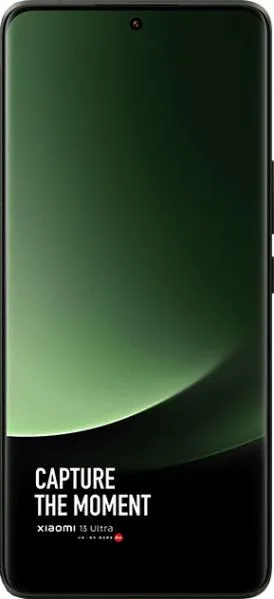
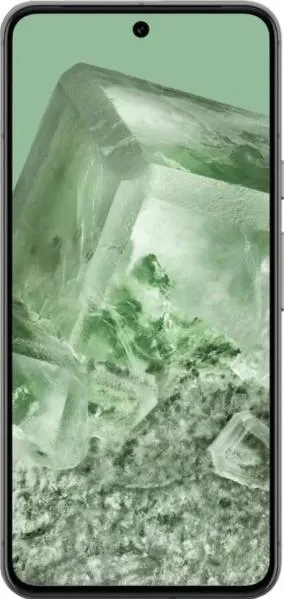
1. Specifications Comparison
| Feature | Xiaomi 13 Ultra | Google Pixel 8 | Practical Impact |
|---|---|---|---|
| Design | |||
| Dimensions (mm) | 163.2 x 74.6 x 9.1 | 150.5 x 70.8 x 8.9 | Pixel 8 is noticeably smaller and easier to handle one-handed. |
| Weight (g) | 227 | 187 | Pixel 8 is significantly lighter, reducing hand fatigue. |
| Build | Material information missing for both phones, limiting comparison. | ||
| Display | |||
| Size (inches) | 6.73 | 6.2 | Xiaomi offers a larger screen for more immersive media consumption. |
| Resolution | 1440 x 3200 | 1080 x 2400 | Xiaomi's higher resolution provides sharper text and images, but consumes more power. |
| Type | LTPO AMOLED | OLED | Both offer excellent contrast and vibrant colors, but Xiaomi's LTPO panel enables dynamic refresh rate for better battery efficiency. |
| Peak Brightness | 2600 nits | 2000 nits | Xiaomi's display is brighter, improving outdoor visibility. |
| Performance | |||
| Chipset | Snapdragon 8 Gen 2 | Google Tensor G3 | Both are flagship chipsets, but Snapdragon 8 Gen 2 generally benchmarks higher in raw performance. Tensor G3 focuses on AI and machine learning capabilities. |
| CPU | Octa-core (1x3.2 GHz Cortex-X3 & 2x2.8 GHz Cortex-A715 & 2x2.8 GHz Cortex-A710 & 3x2.0 GHz Cortex-A510) | Nona-core (1x3.0 GHz Cortex-X3 & 4x2.45 GHz Cortex-A715 & 4x2.15 GHz Cortex-A510) | Subtle core configuration differences; real-world performance depends on optimization. |
| GPU | Adreno 740 | Immortalis-G715s MC10 | Adreno 740 generally offers superior gaming performance. |
| RAM | 12GB | 8GB | Xiaomi offers more RAM, potentially improving multitasking and app loading times. |
| Camera | |||
| Rear Cameras | 50MP Main, 50MP Wide, 50MP Telephoto (2x), 50MP Periscope Telephoto (5x) | 50MP Main, 12MP ultrawide | Xiaomi offers a more versatile camera system with multiple telephoto options for superior zoom capabilities. |
| Front Camera | 32MP | 10.8MP | Xiaomi has a higher resolution front camera. |
| Battery | |||
| Capacity | 5000 mAh | 4575 mAh | Xiaomi has a larger battery capacity, potentially leading to longer battery life. |
2. Key Differences Analysis
Xiaomi 13 Ultra Advantages:
- Superior Display: Larger, higher resolution, brighter, and more power-efficient due to LTPO technology.
- More Powerful & Versatile Camera System: Quad camera setup with Leica lens and multiple telephoto options for exceptional zoom performance.
- Higher Performance: Snapdragon 8 Gen 2 and more RAM potentially offer better gaming and multitasking.
- Larger Battery: Potentially longer battery life.
Google Pixel 8 Advantages:
- Smaller & Lighter: More comfortable for one-handed use and extended periods.
- Lower Price: Significantly more affordable.
- Software Experience: Pixel phones typically receive faster and longer software updates directly from Google. Tensor G3 excels in AI-powered features.
3. User Profiles & Recommendations
Xiaomi 13 Ultra: Ideal for power users, photography enthusiasts, and those who prioritize a premium display and top-tier performance. Excellent for content creation, gaming, and media consumption.
Google Pixel 8: Suitable for users who prefer a compact and lightweight phone with a clean software experience and excellent camera capabilities at a more affordable price. Great for everyday use, communication, and casual photography.
4. Decision Framework
Key Questions for Buyers:
- Budget: Is the premium price of the Xiaomi 13 Ultra justified for your needs?
- Photography Needs: Do you require the advanced zoom capabilities and versatility of the Xiaomi 13 Ultra's camera system?
- Size & Weight Preferences: Do you prioritize a compact and lightweight phone or a larger screen?
Scenario-Based Recommendations:
- Limited Budget: Google Pixel 8 offers excellent value for its price.
- Photography Enthusiast: Xiaomi 13 Ultra provides a significant advantage in camera capabilities.
- One-Handed Use Priority: Google Pixel 8's smaller size is more ergonomic.
My Choice: Google Pixel 8
While the Xiaomi 13 Ultra boasts impressive specifications, the Google Pixel 8 better suits my needs and priorities. I value a compact and lightweight phone for comfortable everyday use. The Pixel 8's clean software experience, guaranteed timely updates, and excellent camera are compelling. While the Xiaomi offers a superior camera system on paper, the Pixel 8's camera is still top-tier and more than sufficient for my needs. Finally, the significant price difference makes the Pixel 8 a more sensible choice for me. The Xiaomi 13 Ultra's advantages, while substantial, don't justify the higher cost for my personal use case.
