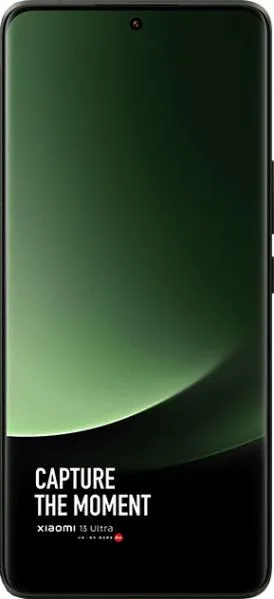
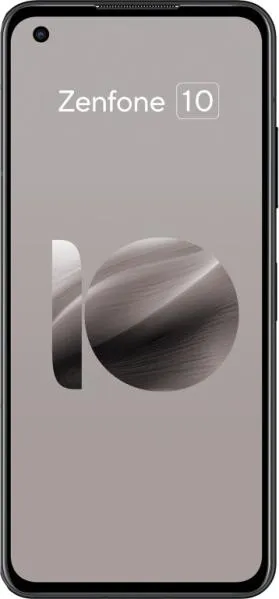
1. Specifications Comparison
| Feature | Xiaomi 13 Ultra | Asus Zenfone 10 | Practical Impact |
|---|---|---|---|
| Design | |||
| Dimensions (mm) | 163.2 x 74.6 x 9.1 | 146.5 x 68.1 x 9.4 | Zenfone 10 is significantly smaller and more pocketable. |
| Weight (g) | 227 | 172 | Zenfone 10 is noticeably lighter for comfortable one-handed use. |
| Build | Build materials not specified for either phone, limiting comparison. | ||
| Display | |||
| Size (inches) | 6.73 | 5.92 | Larger display on Xiaomi offers more immersive content consumption but reduced one-handed usability. |
| Resolution | 1440 x 3200 | 1080 x 2400 | Xiaomi has a sharper display with higher pixel density (522 vs 445 PPI), resulting in crisper text and images. |
| Refresh Rate (Hz) | 120 (LTPO AMOLED) | 144 (AMOLED) | Zenfone 10's higher refresh rate provides smoother animations and scrolling, especially beneficial for gaming. Xiaomi's LTPO panel allows for variable refresh rate, optimizing battery life. |
| Peak Brightness (nits) | 2600 | 1100 | Xiaomi's significantly higher peak brightness ensures better visibility in direct sunlight. |
| Performance | |||
| Chipset | Snapdragon 8 Gen 2 | Snapdragon 8 Gen 2 | Both phones offer top-tier performance with the same powerful chipset. |
| CPU | Octa-core (1x3.2 GHz Cortex-X3 & 2x2.8 GHz Cortex-A715 & 2x2.8 GHz Cortex-A710 & 3x2.0 GHz Cortex-A510) | Same as Xiaomi 13 Ultra | Identical CPU configuration indicates similar processing power. |
| GPU | Adreno 740 | Adreno 740 | Identical GPUs should deliver comparable gaming and graphics performance. |
| RAM | 12GB | 8/16GB | Xiaomi offers more RAM in this configuration, potentially benefiting multitasking and demanding applications. |
| Camera | |||
| Main Camera | 50MP, 1-inch Sony IMX989 sensor | 50MP, Sony IMX766 sensor | Xiaomi's larger sensor should capture more light and detail, especially in low-light conditions. |
| Telephoto | Yes, multiple lenses | No dedicated telephoto lens | Xiaomi offers superior zoom capabilities. |
| Ultrawide | Yes, 50MP | Yes, 13MP | Xiaomi boasts a higher resolution ultrawide for detailed wide shots. |
| Battery | |||
| Capacity (mAh) | 5000 | 4300 | Xiaomi offers a larger battery capacity, potentially leading to longer battery life. |
| Charging Speed | Not specified | Not specified | Charging speed comparison not possible due to missing information. |
2. Key Differences Analysis
Xiaomi 13 Ultra Advantages:
- Superior Camera System: Larger sensor, dedicated telephoto lenses, and Leica collaboration suggest a significantly better photography experience.
- Brighter and Sharper Display: Offers a more immersive visual experience with higher resolution and peak brightness.
- Larger Battery: Potentially longer battery life.
Asus Zenfone 10 Advantages:
- Compact and Lightweight: Significantly more pocketable and easier for one-handed use.
- Higher Refresh Rate Display: Smoother animations and scrolling.
- Lower Price: Offers flagship-level performance at a more affordable price point.
Trade-offs:
- Xiaomi 13 Ultra: Larger size and weight might be less comfortable for some users. Higher price.
- Asus Zenfone 10: Less capable camera system compared to the Xiaomi. Lower peak brightness might impact outdoor visibility.
3. User Profiles & Recommendations
Xiaomi 13 Ultra: Ideal for photography enthusiasts, power users, and those who prioritize a large, high-quality display. Excellent for content consumption, gaming, and capturing professional-grade photos and videos.
Asus Zenfone 10: Suitable for users who value portability and one-handed usability. A good choice for those seeking a compact phone with flagship performance without the premium price tag. Excellent for everyday tasks, web browsing, and light gaming.
4. Decision Framework
Key Questions for Buyers:
- What is your budget? The Xiaomi 13 Ultra is significantly more expensive.
- How important is camera quality? The Xiaomi 13 Ultra has a clear advantage in this area.
- Do you prioritize portability or a large screen? The Asus Zenfone 10 is much smaller and lighter, while the Xiaomi 13 Ultra offers a more immersive display.
Scenario-Based Recommendations:
- Photography enthusiast with a flexible budget: Xiaomi 13 Ultra
- Gamer who prioritizes portability: Asus Zenfone 10
- Average user seeking a balance of performance and value: Asus Zenfone 10
My Choice: Asus Zenfone 10
While the Xiaomi 13 Ultra boasts an impressive camera system and display, the Asus Zenfone 10 aligns better with my personal priorities. I value portability and one-handed usability, which the Zenfone 10 excels at due to its compact size and light weight. The Snapdragon 8 Gen 2 chip ensures flagship-level performance for my needs, and the 144Hz refresh rate display provides a smooth user experience. While the camera might not be as advanced as the Xiaomi, it's still capable for everyday photography. Finally, the significantly lower price of the Zenfone 10 makes it a more compelling value proposition for me. The Xiaomi's superior camera is tempting, but the Zenfone 10's compact form factor and lower price are more important to me personally.
