1. Specifications Comparison
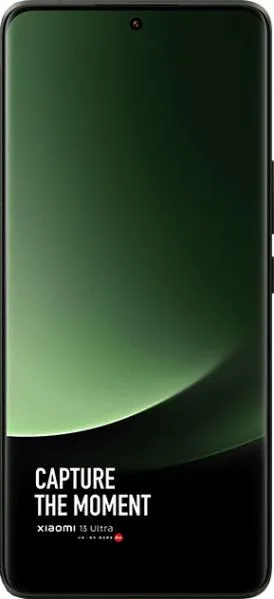
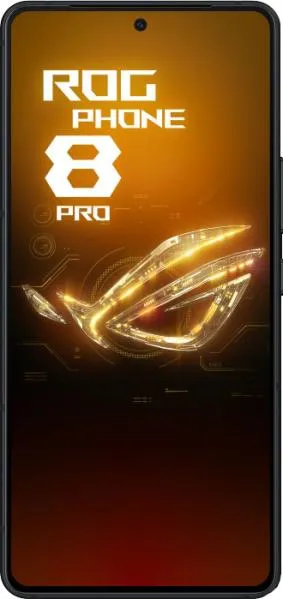
| Feature | Xiaomi 13 Ultra | Asus ROG Phone 8 Pro | Practical Impact |
|---|---|---|---|
| Design | |||
| Dimensions (mm) | 163.2 x 74.6 x 9.1 | 163.8 x 76.8 x 8.9 | ROG Phone 8 Pro is slightly larger and wider. |
| Weight (g) | 227 | 225 | Negligible weight difference. |
| Build Materials | Not specified | Not specified | Cannot compare build quality and durability. |
| Display | |||
| Size (inches) | 6.73 | 6.78 | ROG Phone 8 Pro has a marginally larger display. |
| Resolution | 1440 x 3200 | 1080 x 2400 | Xiaomi 13 Ultra offers significantly sharper visuals due to higher resolution. |
| Refresh Rate (Hz) | 120 | 165 | ROG Phone 8 Pro's higher refresh rate results in smoother animations and scrolling, especially beneficial for gaming. |
| Display Type | LTPO AMOLED | LTPO AMOLED | Both offer excellent color accuracy and power efficiency. |
| Peak Brightness (nits) | 2600 | 2500 | Xiaomi 13 Ultra is slightly brighter in direct sunlight. |
| Performance | |||
| Chipset | Snapdragon 8 Gen 2 | Snapdragon 8 Gen 3 | ROG Phone 8 Pro benefits from the newer, more powerful processor, resulting in improved performance and efficiency. |
| CPU | Octa-core (1x3.2 GHz X3 & ...) | Octa-core (1x3.3 GHz X4 & ...) | ROG Phone 8 Pro's CPU offers a performance boost due to newer architecture and higher clock speeds. |
| GPU | Adreno 740 | Adreno 750 | ROG Phone 8 Pro features a more powerful GPU, enhancing gaming and graphics-intensive tasks. |
| RAM | 12GB (reviewed model) | 16/24GB | ROG Phone 8 Pro offers more RAM in its configurations, enabling better multitasking and handling of demanding applications. |
| Storage | 512GB (reviewed model) | 512GB/1TB | ROG Phone 8 Pro offers a larger storage option. |
| Camera | |||
| Main Camera (MP) | 50 | 50 | Comparable resolution, but sensor size and other factors can impact image quality. |
| Lens Configuration | 50MP Wide, 50MP Ultrawide, 50MP Telephoto (3.2x & 5x) | 50MP Wide, 13MP Ultrawide, 32MP Telephoto (3x) | Xiaomi 13 Ultra has a more versatile camera system with higher resolution telephoto lenses. |
| Battery | |||
| Capacity (mAh) | 5000 | 6000 | ROG Phone 8 Pro offers a larger battery capacity, likely resulting in longer battery life. |
2. Key Differences Analysis
Xiaomi 13 Ultra Advantages:
- Superior Display Sharpness: The significantly higher resolution display provides a noticeably crisper viewing experience.
- More Versatile Camera System: The quad-camera setup with two high-resolution telephoto lenses offers greater flexibility for various photography scenarios.
- Brighter Display: Slightly brighter peak brightness improves outdoor visibility.
Asus ROG Phone 8 Pro Advantages:
- More Powerful Performance: The newer Snapdragon 8 Gen 3 chip and Adreno 750 GPU deliver significantly improved performance for demanding tasks and gaming.
- Higher Refresh Rate Display: The 165Hz display provides a smoother and more responsive user experience, particularly noticeable in gaming and fast-paced content.
- Larger Battery: The 6000mAh battery promises longer usage time between charges.
- More RAM: Configurations with up to 24GB RAM ensure smooth multitasking even with numerous demanding apps.
3. User Profiles & Recommendations
Xiaomi 13 Ultra: Ideal for users who prioritize camera quality and a sharp display. Photographers, videographers, and content consumers will appreciate its capabilities.
Asus ROG Phone 8 Pro: Best suited for mobile gamers and power users who demand top-tier performance, a smooth display, and long battery life.
4. Decision Framework
Key Questions for Buyers:
- What is your primary use case? (Gaming, photography, general use)
- What is your budget? (Xiaomi 13 Ultra is generally more expensive.)
- How important is display sharpness vs. refresh rate?
Scenario-Based Recommendations:
- Heavy Gamer: ROG Phone 8 Pro.
- Photography Enthusiast: Xiaomi 13 Ultra.
- Everyday User on a Budget: Neither, consider more affordable options.
- Power User needing top-tier performance: ROG Phone 8 Pro.
My Choice: Xiaomi 13 Ultra
While the ROG Phone 8 Pro boasts superior performance and a higher refresh rate display, the Xiaomi 13 Ultra's exceptional camera system and sharper display are more compelling to me. I prioritize photography and appreciate a highly detailed viewing experience. The performance difference, while noticeable in benchmarks, is less crucial for my daily usage. The slightly smaller battery is a trade-off I'm willing to make for the superior camera and display quality. Ultimately, this choice reflects my personal preferences and priorities. Someone prioritizing gaming or raw performance would likely prefer the ROG Phone 8 Pro.
