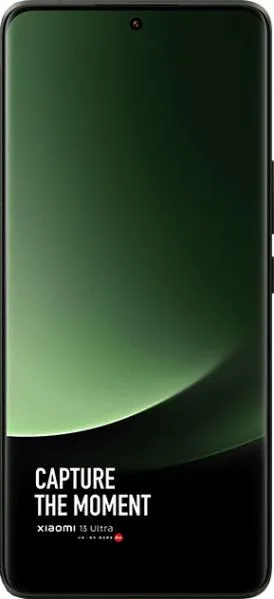
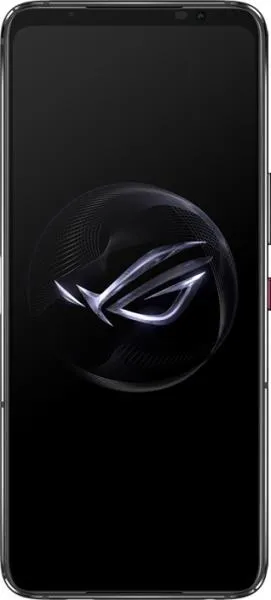
1. Specifications Comparison
| Feature | Xiaomi 13 Ultra | Asus ROG Phone 7 | Practical Impact |
|---|---|---|---|
| Design | |||
| Dimensions (mm) | 163.2 x 74.6 x 9.1 | 173 x 77 x 10.3 | ROG Phone 7 is larger and thicker. Xiaomi 13 Ultra might be more pocketable. |
| Weight (g) | 227 | 239 | Noticeable weight difference; ROG Phone 7 will feel heavier in hand. |
| Build | (Missing) | (Missing) | Build materials impact durability and premium feel. This information is crucial for a complete comparison. |
| Display | |||
| Display Size | 6.73" | 6.78" | Negligible size difference in real-world usage. |
| Resolution | 1440 x 3200 | 1080 x 2448 | Xiaomi 13 Ultra has a significantly sharper display, noticeable in text clarity and image detail. |
| Refresh Rate | 120Hz | 165Hz | ROG Phone 7 offers smoother animations and scrolling, especially beneficial for gaming. |
| Display Type | LTPO AMOLED | AMOLED | Xiaomi's LTPO panel allows for dynamic refresh rate adjustment, saving battery. |
| Peak Brightness | 2600 nits | 1500 nits | Xiaomi 13 Ultra will be significantly more visible in direct sunlight. |
| Performance | |||
| Chipset | Snapdragon 8 Gen 2 | Snapdragon 8 Gen 2 | Both phones offer top-tier performance with negligible real-world differences in everyday tasks. |
| CPU | Octa-core (1x3.2 GHz Cortex-X3 & 2x2.8 GHz Cortex-A715 & 2x2.8 GHz Cortex-A710 & 3x2.0 GHz Cortex-A510) | Octa-core (1x3.2 GHz Cortex-X3 & 2x2.8 GHz Cortex-A715 & 2x2.8 GHz Cortex-A710 & 3x2.0 GHz Cortex-A510) | Identical CPUs. |
| GPU | Adreno 740 | Adreno 740 | Identical GPUs. |
| RAM | 12GB (as reviewed) | 16GB (as reviewed) | While both offer ample RAM, the ROG Phone 7's extra RAM might provide a slight edge in heavy multitasking over extended periods. |
| Camera | |||
| Main Camera | 50MP, Sony IMX989, 1" sensor | 50MP, Sony IMX766, 1/1.56" sensor | Xiaomi 13 Ultra boasts a much larger sensor, promising superior low-light performance and depth of field. |
| Ultrawide | 50MP, Sony IMX858 | 13MP, Omnivision OV13B10 | Xiaomi's ultrawide offers higher resolution and likely better image quality. |
| Telephoto | 50MP Periscope + 50MP Telephoto | 5MP Macro | Xiaomi provides versatile telephoto options for optical zoom, while ROG Phone 7 offers a dedicated macro lens. This caters to different photography styles. |
| Battery | |||
| Capacity | 5000 mAh | 6000 mAh | ROG Phone 7 has significantly longer potential battery life. |
| Charging Speed | (Missing) | (Missing) | Charging speed significantly impacts usability; this information is crucial. |
2. Key Differences Analysis
Xiaomi 13 Ultra Advantages:
- Superior Display: Sharper, brighter, and more power-efficient due to LTPO technology.
- Advanced Camera System: Larger main sensor, high-resolution ultrawide and dual telephoto lenses for versatile photography.
- More Compact Design: Easier to handle and pocket.
Asus ROG Phone 7 Advantages:
- Higher Refresh Rate Display: Smoother gaming and overall UI experience.
- Larger Battery: Significantly longer battery life.
- Gaming-Focused Features: While not detailed in specs, ROG phones typically include gaming-specific hardware and software enhancements (this should be verified). Side-mounted USB-C port for удобное charging while gaming in landscape mode.
3. User Profiles & Recommendations
Xiaomi 13 Ultra: Ideal for users prioritizing camera quality, display clarity, and a more compact design. Excellent for photography enthusiasts, content creators, and users who consume media on their phones.
Asus ROG Phone 7: Best suited for mobile gamers, power users who demand long battery life, and those who value a smooth, high refresh rate display.
4. Decision Framework
Key Questions for Buyers:
- What is your primary use case? (Photography, gaming, general use)
- How important is camera quality?
- How important is battery life?
Scenario-Based Recommendations:
- Photography Enthusiast: Xiaomi 13 Ultra
- Hardcore Mobile Gamer: Asus ROG Phone 7
- Balanced User (General Use): Decision depends on individual priorities regarding battery life vs. display sharpness and camera quality. Price should be a major consideration, as the ROG Phone 7 appears to be significantly cheaper based on the limited pricing data provided.
My Choice: Xiaomi 13 Ultra
While the ROG Phone 7 offers advantages in battery life and refresh rate, the Xiaomi 13 Ultra's superior camera system and stunning display are more compelling to me. I prioritize photo quality and a sharp, bright screen for media consumption. The more compact form factor is also a plus. I am willing to compromise slightly on battery life (and potentially use a portable charger) for the significant gains in other areas. However, the lack of complete pricing and build material information makes a truly informed decision challenging. The significant price difference indicated in the limited data could sway the decision towards the ROG Phone 7 if budget is a primary concern.
