1. Specifications Comparison
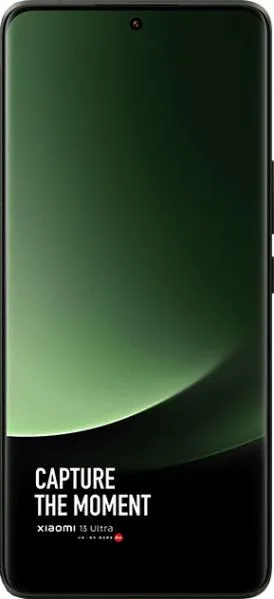
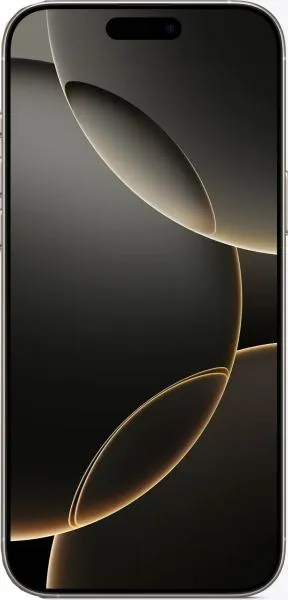
| Feature | Xiaomi 13 Ultra | Apple iPhone 16 Pro Max | Practical Impact |
|---|---|---|---|
| Design | |||
| Dimensions (mm) | 163.2 x 74.6 x 9.1 | 163 x 77.6 x 8.3 | iPhone 16 Pro Max is slightly wider and thinner. Xiaomi is slightly slimmer overall. |
| Weight (g) | 227 | 227 | Identical weight, no practical difference in hand feel based on weight alone. |
| Build Materials | Not specified | Titanium Frame (assumed based on previous models) | Durability and premium feel may differ. Titanium generally offers greater scratch resistance. Lack of clarity on Xiaomi's build limits comparison. |
| Display | |||
| Size (inches) | 6.73 | 6.9 | iPhone offers a larger screen for more immersive content consumption. |
| Resolution (pixels) | 1440 x 3200 | 1320x2868 | Xiaomi has a sharper display (522 ppi vs 460 ppi), resulting in crisper text and images. However, the difference might not be noticeable in everyday use. |
| Type | LTPO AMOLED | LTPO Super Retina XDR OLED | Both are high-quality displays with excellent color accuracy and power efficiency. Subjective preference for color saturation and tone may apply. |
| Peak Brightness (nits) | 2600 | 2000 | Xiaomi's higher peak brightness offers better visibility in direct sunlight. |
| Refresh Rate (Hz) | 120 | 120 | Both offer smooth scrolling and animations thanks to the 120Hz adaptive refresh rate. |
| Performance | |||
| Chipset | Snapdragon 8 Gen 2 (4 nm) | Apple A18 Pro (3 nm) | A18 Pro is likely to offer better performance and efficiency due to its newer architecture and manufacturing process. Real-world performance will depend on optimization. |
| CPU | Octa-core (1x3.2 GHz Cortex-X3 & ...) | Hexa-core (2x4.05 GHz + 4x2.42 GHz) | Apple's CPU configuration suggests higher peak performance, while Snapdragon might offer better sustained performance. |
| GPU | Adreno 740 | Apple GPU (6-core) | Apple's custom GPU typically delivers superior graphics performance in gaming and demanding applications. However, Adreno 740 is also a high-end GPU capable of handling most tasks. |
| RAM (GB) | 12 | 8 | Xiaomi offers more RAM, potentially improving multitasking and app switching performance. However, iOS's memory management might mitigate this advantage to some extent. |
| Camera | |||
| Main Camera (MP) | 50 | 48 | Megapixel count doesn't solely determine image quality. Xiaomi uses a larger 1-inch sensor (IMX989), potentially offering better low-light performance and depth of field. iPhone uses a newer sensor with potential advancements in processing. |
| DxOMark Score | 140 | 157 | iPhone 16 Pro Max scores significantly higher in DxOMark tests, suggesting superior overall camera performance. DxOMark scores should be considered as one factor among many. |
| Video Capabilities | 8K@24fps, 4K@60fps... | 4K@120fps... | Both offer extensive video recording options. iPhone's 4K@120fps allows for high-quality slow-motion capture. |
| Battery | |||
| Capacity (mAh) | 5000 | 4685 | Xiaomi has a larger battery capacity, potentially leading to longer battery life. Real-world usage will vary depending on usage patterns and software optimization. |
2. Key Differences Analysis
Xiaomi 13 Ultra Advantages:
- Sharper Display: Higher pixel density offers slightly crisper visuals.
- Larger Battery: Potentially longer battery life.
- Higher Peak Brightness: Better outdoor visibility.
- More RAM: Potentially smoother multitasking.
- 1-inch Main Camera Sensor: Potentially better low-light performance and depth of field.
Apple iPhone 16 Pro Max Advantages:
- Larger Display: More immersive content consumption.
- Likely Faster Performance: Newer A18 Pro chip and optimized iOS.
- Higher DxOMark Camera Scores: Suggests better overall camera performance.
- Higher Video Frame Rates: Superior slow-motion capture.
- Potentially More Durable Build (Titanium): Better scratch resistance.
Trade-offs:
- Xiaomi's higher resolution display and larger battery might consume more power, potentially offsetting the battery capacity advantage.
- iPhone's larger display size might make it less pocketable.
3. User Profiles & Recommendations
Xiaomi 13 Ultra: Users prioritizing battery life, a sharp display, and potentially superior low-light photography. Suitable for power users, photographers, and those who spend considerable time outdoors.
Apple iPhone 16 Pro Max: Users prioritizing overall performance, camera quality according to DxOMark, a larger display, and a seamless iOS experience. Suitable for gamers, content creators, and those deeply invested in the Apple ecosystem.
4. Decision Framework
Key Questions for Buyers:
- Which operating system do you prefer? Android or iOS?
- What are your primary use cases? Photography, gaming, content consumption, productivity?
- What is your budget? Both phones are in the high price range, but specific configurations might vary in cost.
Scenario-Based Recommendations:
- Photography Enthusiast: Xiaomi 13 Ultra if manual controls and large sensor are prioritized, otherwise iPhone 16 Pro Max based on DxOMark.
- Gamer: iPhone 16 Pro Max for its likely superior graphics performance.
- Power User: Consider Xiaomi for its larger battery and RAM; consider iPhone for its raw performance.
My Choice: Apple iPhone 16 Pro Max
While the Xiaomi 13 Ultra boasts impressive specifications, particularly its camera sensor and battery, I would choose the iPhone 16 Pro Max. The likely performance advantage of the A18 Pro chip, combined with the historically excellent optimization of iOS, is a major draw for me. The consistently high quality of Apple's camera systems, as evidenced by the DxOMark scores, and the larger display size for media consumption, further solidify my choice. Although subjective, I also prefer the aesthetics and predicted build quality of the iPhone. Finally, I value the tight integration within the Apple ecosystem.
