1. Specifications Comparison
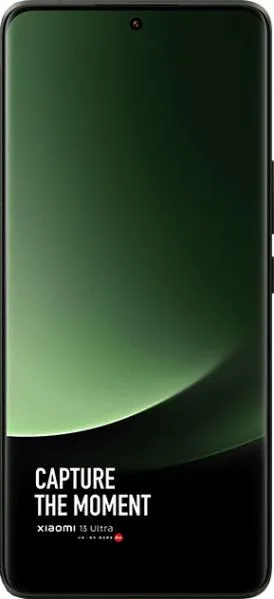
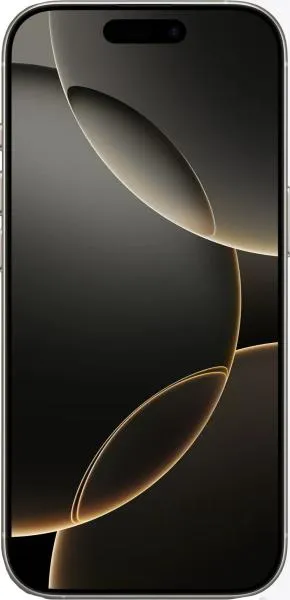
| Feature | Xiaomi 13 Ultra | Apple iPhone 16 Pro | Practical Impact |
|---|---|---|---|
| Design | |||
| Dimensions (mm) | 163.2 x 74.6 x 9.1 | 149.6 x 71.5 x 8.3 | iPhone 16 Pro is significantly smaller and more pocketable. |
| Weight (g) | 227 | 199 | Xiaomi 13 Ultra is noticeably heavier, potentially causing fatigue during extended use. |
| Display | |||
| Size (inches) | 6.73 | 6.3 | Xiaomi offers a larger display for more immersive content consumption. |
| Resolution (px) | 1440 x 3200 | 1206 x 2622 | Xiaomi boasts a sharper display with higher pixel density, resulting in finer details. |
| Panel Type | LTPO AMOLED | LTPO Super Retina XDR OLED | Both offer excellent displays with high refresh rates and power efficiency. Subjective preference may determine the winner here as both are high quality. |
| Peak Brightness (nits) | 2600 | 2000 | Xiaomi achieves higher peak brightness, improving outdoor visibility. |
| Performance | |||
| Chipset | Snapdragon 8 Gen 2 | Apple A18 Pro | Both are top-tier chipsets, promising excellent performance. Real-world differences will likely be subtle for average users. A18 Pro being newer, likely has a performance edge. |
| RAM (GB) | 12/16 | 8 | Xiaomi offers more RAM options, potentially benefiting multitasking and demanding applications. |
| OS | Android 13 | iOS 18 | Different operating systems cater to different user preferences and ecosystems. |
| Camera | |||
| Main Sensor (MP) | 50 (1-inch sensor) | 48 | Xiaomi utilizes a significantly larger sensor, potentially capturing more light and detail, especially in low light. |
| Telephoto Capabilities | Variable aperture f/1.8-f/3.0, 5x optical zoom | 5x optical zoom | Both phones offer comparable telephoto capabilities, but Xiaomi's variable aperture provides greater flexibility in controlling depth of field. |
| Battery | |||
| Capacity (mAh) | 5000 | 3582 | Xiaomi has a much larger battery capacity, likely leading to significantly longer battery life. |
2. Key Differences Analysis
Xiaomi 13 Ultra Advantages:
- Superior Camera System: Larger main sensor, variable aperture telephoto lens, and higher overall DxOMark scores suggest a significant advantage in image quality.
- Longer Battery Life: Substantially larger battery capacity.
- Larger, Sharper Display: More immersive media consumption and finer details.
iPhone 16 Pro Advantages:
- More Compact and Lightweight: Easier to handle and carry.
- Potentially Smoother Performance: Newer A18 Pro chip and iOS optimization.
- Established Ecosystem: Seamless integration with other Apple devices and services.
3. User Profiles & Recommendations
Xiaomi 13 Ultra: Ideal for photography enthusiasts, power users who demand long battery life, and those who prioritize a large, high-resolution display. Excellent for content creation and consumption.
iPhone 16 Pro: Suitable for users who prefer a compact and lightweight phone, value a smooth and seamless user experience within the Apple ecosystem, and prioritize software updates and security.
4. Decision Framework
Key Questions for Buyers:
- What is your priority: camera quality, battery life, or portability?
- Which operating system (Android or iOS) do you prefer?
- What is your budget and perceived value for the price?
Scenario-Based Recommendations:
- Prioritize Camera: Xiaomi 13 Ultra
- Prioritize Compactness: iPhone 16 Pro
- Prioritize Battery Life: Xiaomi 13 Ultra
- Value Apple Ecosystem: iPhone 16 Pro
My Choice: Xiaomi 13 Ultra
While the iPhone 16 Pro offers a compelling package with its sleek design and performance, the Xiaomi 13 Ultra's superior camera system and significantly longer battery life are decisive factors for me. As someone who frequently uses their phone for photography and relies on it throughout the day, these aspects outweigh the benefits of a smaller form factor. The larger, sharper display is also a plus for media consumption. While iOS has its advantages, I prefer the flexibility and customization offered by Android. Ultimately, the Xiaomi 13 Ultra provides a more well-rounded experience tailored to my specific needs and priorities.
