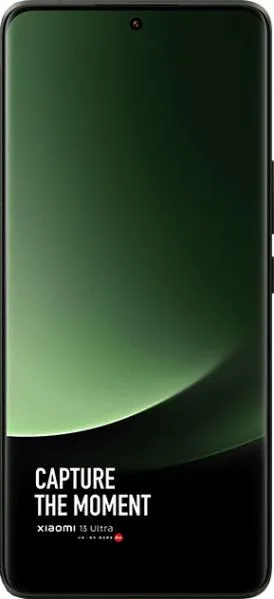
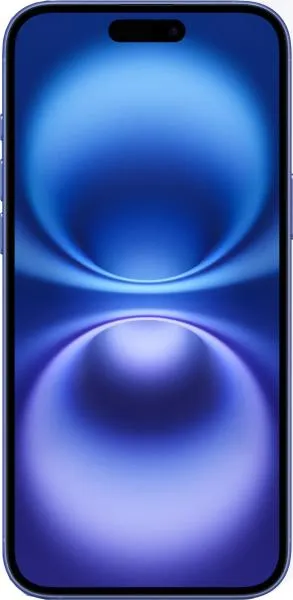
1. Specifications Comparison
| Feature | Xiaomi 13 Ultra | Apple iPhone 16 Plus | Practical Impact |
|---|---|---|---|
| Design | |||
| Dimensions (mm) | 163.2 x 74.6 x 9.1 | 160.9 x 77.8 x 7.8 | The iPhone 16 Plus is slightly shorter, narrower, and significantly thinner. The Xiaomi is heavier (227g vs 199g). The iPhone will likely feel more comfortable in hand for extended use due to its lighter weight and thinner profile. |
| Weight (g) | 227 | 199 | See above. |
| Build Material | Not specified | Not specified | Build material impacts durability and premium feel. Unable to compare without this information. |
| Display | |||
| Display Type | LTPO AMOLED | Super Retina XDR OLED | Both offer excellent contrast and vibrant colors. LTPO allows for dynamic refresh rate adjustment, potentially saving battery on the Xiaomi. |
| Display Size (inches) | 6.73 | 6.7 | Negligible size difference. |
| Resolution (px) | 1440 x 3200 | 1290 x 2796 | The Xiaomi has a sharper display (522 ppi vs 460 ppi), resulting in slightly clearer text and images. However, the difference might not be noticeable in everyday use. |
| Refresh Rate (Hz) | 120 | Not specified | A higher refresh rate (120Hz on Xiaomi) provides smoother scrolling and animations. Not having this information for the iPhone limits comparison. We can't assume it's lower. |
| Peak Brightness (nits) | 2600 | 2000 | The Xiaomi achieves higher peak brightness, improving outdoor visibility. |
| Performance | |||
| Chipset | Snapdragon 8 Gen 2 | Apple A18 | Both are flagship chipsets, offering top-tier performance. Real-world performance differences may vary depending on optimization. Cross-platform benchmarks are needed for objective comparison. |
| CPU | Octa-core (1x3.2 GHz Cortex-X3 & 2x2.8 GHz Cortex-A715 & 2x2.8 GHz Cortex-A710 & 3x2.0 GHz Cortex-A510) | Hexa-core (2x4.04 GHz + 4x2.20 GHz) | Core configuration and clock speeds suggest high performance for both. Practical differences would be best assessed through benchmark tests and real-world usage reviews. |
| RAM (GB) | 12 | 8 | The Xiaomi has more RAM, potentially allowing for better multitasking and smoother performance with demanding apps. However, iOS memory management is generally more efficient, potentially minimizing this difference. |
| Camera | |||
| Main Camera (MP) | 50 | 48 | Megapixel count doesn't solely determine image quality. Sensor size, aperture, and processing play crucial roles. |
| Sensor Size (Main) | 1" | 1/1.3" | The Xiaomi has a significantly larger main camera sensor, potentially capturing more light and detail, especially in low-light conditions. |
| Ultrawide (MP) | 50 | 12 | Significant difference in megapixel count. The Xiaomi's ultrawide offers much higher resolution. |
| Telephoto Capabilities | Leica Summicron lens, variable aperture (f/1.8-f/3.0), 5x optical zoom | 2x optical zoom | The Xiaomi boasts superior telephoto capabilities with a higher optical zoom range and a renowned Leica lens system. |
| Battery | |||
| Capacity (mAh) | 5000 | 4674 | Larger battery capacity in the Xiaomi suggests longer battery life. Real-world usage will depend on software optimization and individual usage patterns. |
2. Key Differences Analysis
Xiaomi 13 Ultra Advantages:
- Superior Camera System: Larger sensor, Leica lens, more versatile telephoto capabilities. Significant for photography enthusiasts.
- Sharper Display: Higher resolution and peak brightness. Noticeable for users consuming media or working in bright environments.
- Larger Battery: Potentially longer battery life. Important for heavy users.
- More RAM: Better for demanding multitasking and resource-intensive applications.
iPhone 16 Plus Advantages:
- Lighter and Thinner: More comfortable for one-handed use and extended holding.
- iOS Ecosystem: Seamless integration with other Apple devices and services. A major consideration for users invested in the Apple ecosystem.
- Potentially Longer Software Support: Apple generally provides longer software updates compared to Android manufacturers. Important for long-term usability and security.
3. User Profiles & Recommendations
Xiaomi 13 Ultra: Ideal for photography enthusiasts, power users, and Android users who prioritize hardware specifications and camera capabilities. Excels in capturing high-quality photos and videos, demanding multitasking, and extended usage without frequent charging.
iPhone 16 Plus: Suitable for users prioritizing a sleek design, comfortable handling, seamless integration with the Apple ecosystem, and long-term software support. Excels in daily tasks, content consumption, and general usability within the Apple ecosystem.
4. Decision Framework
Key Questions for Buyers:
- What is your photography usage like? If you frequently take photos and videos, especially in challenging conditions or utilizing zoom, the Xiaomi 13 Ultra is a clear winner.
- How important is operating system and ecosystem to you? Strong preference for iOS or heavy reliance on Apple services makes the iPhone 16 Plus a better choice.
- What is your budget? The Xiaomi 13 Ultra falls in a "high price" range, while the iPhone 16 Plus is "medium price", potentially making it a more affordable option for similar performance in some areas.
My Choice: Xiaomi 13 Ultra
While I appreciate the iOS ecosystem and the sleek design of the iPhone 16 Plus, the Xiaomi 13 Ultra's significantly superior camera system is the deciding factor for me. The larger sensor, Leica lens, and versatile zoom capabilities are compelling features for a photography enthusiast. Additionally, the sharper display and larger battery contribute to a better overall user experience for my needs. The slightly heavier and thicker build is a trade-off I am willing to make for the significant advantages in camera and display quality. Finally, while the iPhone may be cheaper in some configurations, in comparable storage options the prices are very similar, making the price difference less of a deciding factor.
