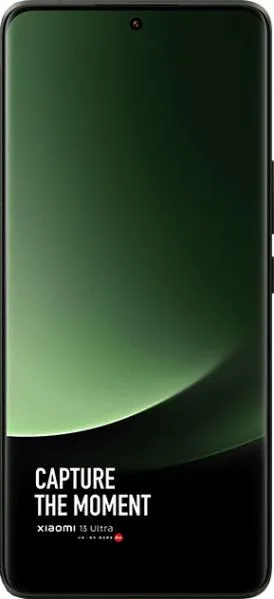
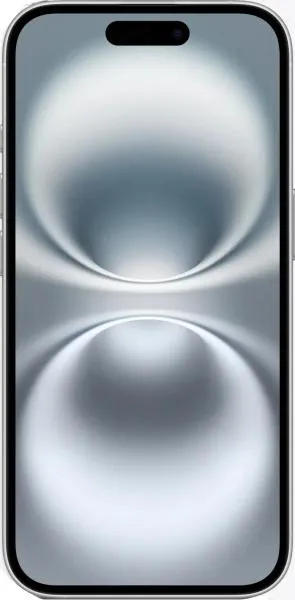
1. Specifications Comparison
| Feature | Xiaomi 13 Ultra | Apple iPhone 16 | Practical Impact |
|---|---|---|---|
| Design | |||
| Dimensions (mm) | 163.2 x 74.6 x 9.1 | 147.6 x 71.6 x 7.8 | iPhone 16 is significantly smaller and lighter, making it more pocketable and easier to handle. |
| Weight (g) | 227 | 170 | iPhone 16 is noticeably lighter, reducing hand fatigue during extended use. |
| Build Material | Not specified | Not specified | Cannot compare build quality and durability without material information. |
| Display | |||
| Display Size (inches) | 6.73 | 6.1 | Xiaomi offers a larger screen for more immersive media consumption and multitasking, while the iPhone 16 prioritizes one-hand usability. |
| Resolution (px) | 1440 x 3200 | 1179 x 2556 | Xiaomi boasts a sharper display with higher pixel density, resulting in crisper text and images. |
| Display Type | LTPO AMOLED | OLED | Both are high-quality display technologies, but Xiaomi's LTPO AMOLED allows for variable refresh rates, potentially saving battery life while maintaining smooth scrolling. |
| Peak Brightness (nits) | 2600 | 2000 | Xiaomi's higher peak brightness provides better visibility in direct sunlight. |
| Refresh Rate (Hz) | 120 | Not specified | Xiaomi's 120Hz refresh rate delivers smoother animations and scrolling compared to a standard 60Hz display (assuming iPhone 16 is 60Hz). |
| Performance | |||
| Chipset | Snapdragon 8 Gen 2 | Apple A18 | Both are flagship chipsets promising top-tier performance. Real-world differences may be subtle and depend on specific tasks and optimizations. Cross-platform benchmarks are needed for accurate comparison. |
| CPU | Octa-core (1x3.2 GHz Cortex-X3 & 2x2.8 GHz Cortex-A715 & 2x2.8 GHz Cortex-A710 & 3x2.0 GHz Cortex-A510) | Hexa-core (2x4.04 GHz + 4x2.20 GHz) | Clock speed comparisons across different architectures are misleading. Performance depends on core efficiency and overall system optimization. |
| GPU | Adreno 740 | Apple GPU (5-core) | Cross-platform GPU benchmarks are needed for accurate comparison. |
| RAM (GB) | 12 | 8 | Xiaomi's higher RAM capacity allows for more apps to run in the background without reloading, improving multitasking performance. |
| Camera | |||
| Main Camera (MP) | 50 | 48 | Megapixel count alone doesn't determine image quality. Sensor size, aperture, and processing play crucial roles. |
| Sensor Size | 1" (Main) | 1/1.3" (Main) | Xiaomi's larger main sensor potentially captures more light and detail, especially in low-light conditions. |
| Zoom | 5x Optical (Telephoto) | 2x Optical | Xiaomi provides significantly greater optical zoom capabilities. |
| Battery | |||
| Capacity (mAh) | 5000 | 3561 | Xiaomi has a substantially larger battery, likely resulting in longer battery life. |
2. Key Differences Analysis
Xiaomi 13 Ultra Advantages:
- Superior Display: Larger, sharper, brighter, and with a 120Hz LTPO panel.
- More Versatile Camera System: Larger main sensor, greater optical zoom range.
- Longer Battery Life: Significantly larger battery capacity.
- More RAM: Better multitasking performance.
iPhone 16 Advantages:
- Smaller and Lighter Form Factor: More pocketable and easier to handle.
- Potentially Smoother Software Experience: iOS is known for its optimization and fluidity.
- Likely Longer Software Support: Apple typically provides longer software updates compared to Android manufacturers.
3. User Profiles & Recommendations
Xiaomi 13 Ultra: Ideal for power users, photographers, and videographers who prioritize performance, display quality, camera versatility, and battery life. Excellent for mobile gaming, content creation, and extended use without charging.
iPhone 16: Suitable for users who prefer a compact and lightweight phone with a smooth user experience and long-term software support. A good choice for everyday tasks, social media, and casual photography.
4. Decision Framework
Key Questions for Buyers:
- What is your priority: portability or screen size/quality?
- How important is camera versatility and image quality?
- What is your budget and how much do you value long-term software updates?
Scenario-Based Recommendations:
- Prioritize portability and ease of use: iPhone 16.
- Demand the best camera and display: Xiaomi 13 Ultra.
- Need long battery life and strong multitasking: Xiaomi 13 Ultra.
My Choice: Xiaomi 13 Ultra
While the iPhone 16 offers a compelling compact design and the benefits of iOS, the Xiaomi 13 Ultra's superior display, camera system, battery life, and performance make it the clear winner for me. I prioritize these features for a more immersive and productive mobile experience. The larger size and weight are a trade-off I'm willing to accept for the significant gains in other areas. I also value the flexibility and customization options offered by Android. While Apple's A18 chip may be powerful, the Snapdragon 8 Gen 2 in conjunction with 12GB RAM offers more than enough performance for my needs. Ultimately, the Xiaomi 13 Ultra provides a more compelling overall package for my usage patterns.
