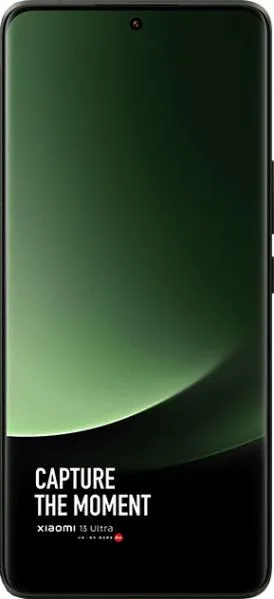
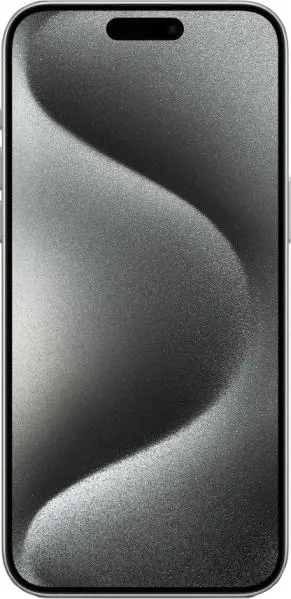
1. Specifications Comparison
| Feature | Xiaomi 13 Ultra | Apple iPhone 15 Pro Max | Practical Impact |
|---|---|---|---|
| Design | |||
| Dimensions (mm) | 163.2 x 74.6 x 9.1 | 159.9 x 76.7 x 8.3 | iPhone 15 Pro Max is slightly smaller and thinner, potentially more pocketable. |
| Weight (g) | 227 | 221 | Negligible weight difference in practical use. |
| Build | Not specified | Titanium frame | iPhone boasts superior durability due to titanium frame. Missing build material for Xiaomi limits comparison. |
| Display | |||
| Size (inches) | 6.73 | 6.7 | Virtually identical screen real estate. |
| Resolution (px) | 1440 x 3200 | 1290 x 2796 | Xiaomi has a sharper display (522 ppi vs 460 ppi), resulting in crisper text and images. |
| Type | LTPO AMOLED | LTPO Super Retina XDR OLED | Both offer excellent contrast and color accuracy with power-efficient variable refresh rates. |
| Peak Brightness (nits) | 2600 | 2000 | Xiaomi offers significantly higher peak brightness for better outdoor visibility. |
| Performance | |||
| Chipset | Snapdragon 8 Gen 2 | A17 Pro | Both are top-tier chipsets, but Apple's A17 Pro generally benchmarks higher in terms of raw performance and efficiency due to its 3nm process. |
| RAM (GB) | 12/16 | 8 | Xiaomi offers more RAM, potentially benefiting multitasking and demanding applications, though iOS memory management differs from Android. |
| OS | Android 13 | iOS 17 | Different operating systems cater to different user preferences and ecosystems. |
| Camera | |||
| Main Camera (MP) | 50 | 48 | Both high resolution sensors; image quality depends more on sensor size, processing, and lens quality. |
| Sensor Size (Main) | 1" | 1/1.3" | Xiaomi's significantly larger main sensor allows for better light capture and potentially shallower depth of field. |
| Telephoto Capabilities | Leica optics, variable aperture (f/1.8-f/3.0), 5x optical zoom | 5x optical zoom | Xiaomi might offer more versatility with its variable aperture and Leica collaboration for potential image quality improvements. |
| DXOMARK Score (Overall) | 140 | 154 | iPhone 15 Pro Max scores higher overall in DXOMARK tests, suggesting superior image and video quality. |
| Battery | |||
| Capacity (mAh) | 5000 | 4441 | Xiaomi has a larger battery capacity, potentially leading to longer battery life. Real-world usage will vary. |
2. Key Differences Analysis
Xiaomi 13 Ultra Advantages:
- Sharper Display: Higher resolution provides a noticeable difference in clarity.
- Brighter Display: Significantly brighter for superior outdoor visibility.
- Larger Battery: Potentially longer battery life.
- Larger Main Camera Sensor: Superior light capture and depth of field control.
- More RAM: Potential advantage for multitasking, though less critical on iOS.
iPhone 15 Pro Max Advantages:
- Higher Performance: A17 Pro chip offers a performance edge.
- Superior Camera System (DXOMARK): Higher overall camera score suggests better image quality in various scenarios.
- More Durable Build: Titanium frame offers better protection against drops and scratches.
- iOS Ecosystem: Benefits from Apple's tight hardware-software integration and app ecosystem.
3. User Profiles & Recommendations
Xiaomi 13 Ultra: Users who prioritize display quality, battery life, and advanced camera features. Particularly suitable for photography enthusiasts who value manual controls and large sensor capabilities.
iPhone 15 Pro Max: Users who prefer a seamless user experience, top-tier performance, a robust app ecosystem, and excellent overall camera quality. Suitable for users who value simplicity and integration within the Apple ecosystem.
4. Decision Framework
Key Questions for Buyers:
- Which operating system do you prefer? Android offers more customization, while iOS is known for its simplicity and ease of use.
- What are your photography priorities? Xiaomi offers a larger sensor and more manual control, while iPhone excels in overall image quality according to DXOMARK.
- How important is battery life and screen brightness? Xiaomi has a clear advantage in these areas.
My Choice:
I would choose the iPhone 15 Pro Max. While the Xiaomi 13 Ultra offers compelling features like a sharper and brighter display and a larger battery, the iPhone 15 Pro Max's superior performance, consistently high-quality camera system as evidenced by DXOMARK scores, more durable build (Titanium vs. unspecified material), and the seamless iOS ecosystem are more important factors for me. The performance difference between the A17 Pro and Snapdragon 8 Gen 2, particularly in terms of efficiency, is significant in long-term use. Furthermore, I value the robust build quality and the smoother, more integrated experience offered by iOS. While subjective, I also prefer the overall user interface and aesthetics of iOS. Finally, while Xiaomi's larger main camera sensor is impressive, the iPhone's overall camera system delivers consistently excellent results across various scenarios based on independent reviews and benchmarks.
