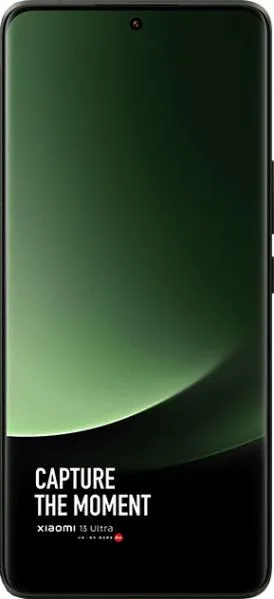
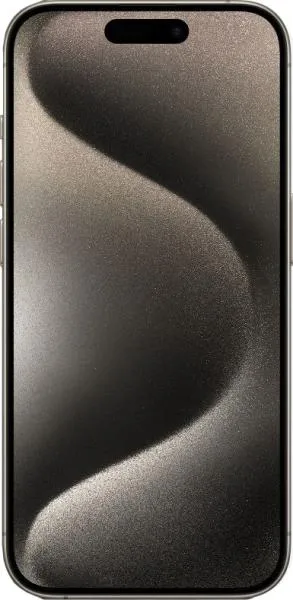
1. Specifications Comparison
| Feature | Xiaomi 13 Ultra | Apple iPhone 15 Pro | Practical Impact |
|---|---|---|---|
| Design | |||
| Dimensions (mm) | 163.2 x 74.6 x 9.1 | 146.6 x 70.6 x 8.3 | The iPhone 15 Pro is significantly smaller and more pocketable. The Xiaomi 13 Ultra is larger and might feel bulky. |
| Weight (g) | 227 | 187 | The iPhone 15 Pro is noticeably lighter, reducing hand fatigue during extended use. |
| Build | Not specified | Titanium frame | The iPhone's titanium frame offers superior durability and scratch resistance compared to unspecified materials of the Xiaomi. |
| Display | |||
| Size (inches) | 6.73 | 6.1 | Larger display on the Xiaomi offers more immersive content consumption but sacrifices one-handed usability. |
| Resolution (px) | 1440 x 3200 | 1179 x 2556 | Xiaomi boasts a sharper display (522 ppi vs 461 ppi), resulting in crisper text and images. |
| Type | LTPO AMOLED | LTPO Super Retina XDR OLED | Both are high-quality displays with excellent color accuracy and refresh rates up to 120Hz for smooth scrolling. |
| Peak Brightness (nits) | 2600 | 2000 | The Xiaomi 13 Ultra can achieve higher peak brightness, improving outdoor visibility. |
| Performance | |||
| Chipset | Snapdragon 8 Gen 2 (4 nm) | Apple A17 Pro (3 nm) | A17 Pro, built on a more advanced process, is likely to offer better performance and power efficiency. Real-world benchmarks are needed for definitive comparison. |
| CPU | Octa-core (1x3.2 GHz Cortex-X3 & 2x2.8 GHz Cortex-A715 & 2x2.8 GHz Cortex-A710 & 3x2.0 GHz Cortex-A510) | Hexa-core (2x3.78 GHz + 4x2.11 GHz) | Specific core configurations don't directly translate to real-world performance. A17 Pro's higher clock speed suggests potential for superior single-core performance. |
| RAM | 12GB | 8GB | While 12GB RAM on Xiaomi seems advantageous, iOS's memory management often allows for efficient performance with less RAM. |
| Camera | |||
| Main Camera (MP) | 50 | 48 | Megapixel count isn't the sole indicator of image quality. Xiaomi utilizes a larger 1-inch sensor, potentially capturing more light and detail. iPhone's sensor details are incomplete. |
| DxOMark Score | 140 | 154 | iPhone 15 Pro achieves a higher DxOMark score, suggesting superior overall camera performance. However, DxOMark scores should be considered alongside real-world image comparisons. |
| Battery | |||
| Capacity (mAh) | 5000 | 3274 | Xiaomi offers a substantially larger battery, likely translating to significantly longer battery life. |
2. Key Differences Analysis
Xiaomi 13 Ultra Advantages:
- Larger Display: More immersive media consumption.
- Higher Resolution Display: Sharper visuals.
- Significantly Larger Battery: Potentially much longer battery life.
- Higher Peak Brightness: Better outdoor visibility.
iPhone 15 Pro Advantages:
- Smaller and Lighter: Enhanced portability and one-handed use.
- More Durable Build (Titanium): Increased resistance to scratches and damage.
- Likely Superior Performance: A17 Pro chip's advanced process suggests better performance and efficiency.
- Higher DxOMark Camera Score: Suggests better overall camera performance, pending real-world comparisons.
3. User Profiles & Recommendations
Xiaomi 13 Ultra: Ideal for users prioritizing media consumption, battery life, and a large, sharp display. Suitable for power users, photographers leveraging the large sensor, and those who dislike frequent charging.
iPhone 15 Pro: Suited for users who value portability, a premium and durable build, top-tier performance, and a highly capable camera system. Good for users who prefer a smaller phone and prioritize a seamless software experience.
4. Decision Framework
Key Questions for Buyers:
- What screen size do you prefer? Large screen for immersive media or smaller screen for portability?
- How important is battery life? Prioritize all-day usage or okay with more frequent charging?
- Which operating system do you prefer? Android's customization or iOS's simplicity and ecosystem?
Scenario-Based Recommendations:
- Heavy Media Consumer: Xiaomi 13 Ultra for its larger battery and display.
- Business Professional: iPhone 15 Pro for its premium build, performance, and portability.
- Photographer: Both phones offer compelling camera systems. Xiaomi for its large sensor, iPhone for its overall DxOMark performance. Real-world image comparisons needed.
My Choice: Apple iPhone 15 Pro
While the Xiaomi 13 Ultra boasts impressive specs like a larger battery and higher resolution display, I would choose the Apple iPhone 15 Pro. The deciding factors for me are the superior performance expected from the A17 Pro chip, the more portable and durable design thanks to the titanium frame, and the consistently excellent user experience offered by iOS. Although the battery capacity is smaller, Apple's optimization often results in competitive battery life. The higher DxOMark score, while not absolute, leans in favor of the iPhone's camera. Ultimately, I prioritize a balanced package of performance, portability, durability, and user experience, which the iPhone 15 Pro delivers more effectively for my needs.
