1. Specifications Comparison
| Feature | Xiaomi 13 Ultra | Apple iPhone 15 Plus | Practical Impact |
|---|---|---|---|
| Design | |||
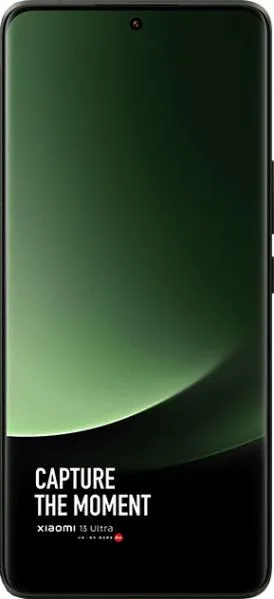
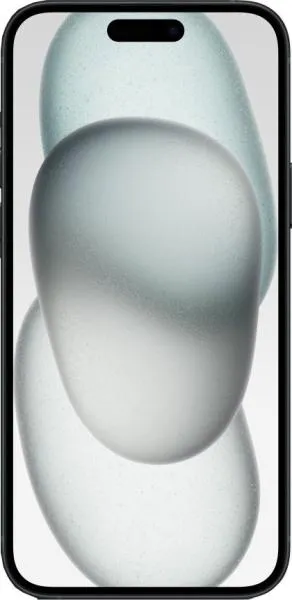
| Dimensions (mm) | 163.2 x 74.6 x 9.1 | 160.9 x 77.8 x 7.8 | iPhone 15 Plus is slightly smaller and noticeably thinner, making it potentially more pocketable. Xiaomi 13 Ultra is heavier (227g vs 201g), which might be noticeable during extended use. |
| Weight (g) | 227 | 201 | See above. |
| Build Material | Not specified | Aluminum & Glass | Durability and premium feel may vary. Lack of info on Xiaomi's material limits comparison. |
| Display | |||
| Size (inches) | 6.73 | 6.7 | Negligible size difference. |
| Resolution (px) | 1440 x 3200 | 1290 x 2796 | Xiaomi 13 Ultra has a sharper display (522 ppi vs 460 ppi), resulting in crisper text and images. |
| Display Type | LTPO AMOLED | Super Retina XDR OLED | Both are high-quality displays. LTPO allows for dynamic refresh rate adjustment on the Xiaomi, potentially saving battery. iPhone's marketing name suggests superior color and HDR performance. |
| Refresh Rate (Hz) | 120 | Not specified | 120Hz on Xiaomi provides smoother scrolling and animations. Lack of iPhone refresh rate data hinders full comparison. |
| Peak Brightness (nits) | 2600 | 2000 | Xiaomi 13 Ultra can get brighter, improving outdoor visibility. |
| Performance | |||
| Chipset | Snapdragon 8 Gen 2 | Apple A16 Bionic | Both are top-tier chipsets from their respective release years. Real-world performance differences likely depend on specific tasks and optimization. |
| CPU | Octa-core (detailed specs) | Hexa-core (limited specs) | Detailed comparison difficult due to limited Apple CPU information. Both should handle demanding tasks well. |
| RAM (GB) | 12/16 | 6 | Xiaomi offers significantly more RAM, enabling better multitasking and app retention. |
| Camera | |||
| Rear Cameras | 50MP Quad | 48MP + 12MP Dual | Xiaomi has more versatile camera hardware with a dedicated telephoto lens. Image quality depends on many factors beyond sensor resolution. DXOMark scores favor iPhone 15 Plus (145 vs 140). |
| Front Camera | 32MP | 12MP | Higher resolution on the Xiaomi, but selfie quality depends on processing and features. |
| Battery | |||
| Capacity (mAh) | 5000 | 4383 | Xiaomi 13 Ultra has a larger battery, potentially offering longer battery life. |
| Other | |||
| OS | Android 13 | iOS 17 | Different operating systems cater to different user preferences. |
| Price Range | High | Medium | Significant price difference, Xiaomi being the more expensive option. |
2. Key Differences Analysis
Xiaomi 13 Ultra Advantages:
- Sharper, brighter display: Higher resolution and peak brightness provide a superior visual experience.
- More RAM: Enhanced multitasking and smoother performance.
- Larger battery: Potential for longer usage time.
- More versatile camera system: Dedicated telephoto lens offers greater flexibility.
- Faster refresh rate: Smoother scrolling and animations with 120Hz.
iPhone 15 Plus Advantages:
- Lighter and thinner design: More comfortable for one-handed use and pocket portability.
- Lower price: More affordable option.
- Higher DXOMark camera score: Suggests potentially better overall image quality despite lower resolution specifications.
- iOS Ecosystem: Integration with other Apple devices and services.
Trade-offs:
- Xiaomi: Higher price for premium features. Heavier and thicker design.
- iPhone: Less RAM, potentially impacting multitasking. Smaller battery capacity. Less versatile camera hardware on paper. Unknown refresh rate limits direct comparison.
3. User Profiles & Recommendations
Xiaomi 13 Ultra: Ideal for power users, photographers, and videographers who demand the best display, performance, and camera versatility. Users who prioritize a high-quality screen and long battery life.
iPhone 15 Plus: Suitable for users seeking a balance of performance, design, and affordability within the Apple ecosystem. Good choice for general use, casual photography, and those prioritizing a lighter, thinner phone.
4. Decision Framework
Key Questions:
- What is your budget? The Xiaomi is significantly more expensive.
- What are your primary use cases? (e.g., photography, gaming, general use)
- Which operating system do you prefer? (Android or iOS)
Scenario-based Recommendations:
- Prioritize Camera Quality and Budget: iPhone 15 Plus
- Demand Best Display and Performance: Xiaomi 13 Ultra
- Value Battery Life and Versatility: Xiaomi 13 Ultra
- Prefer a Lightweight and Affordable Phone: iPhone 15 Plus
My Choice: Xiaomi 13 Ultra
While the iPhone 15 Plus offers a compelling package, I would choose the Xiaomi 13 Ultra. The superior display, larger battery, more versatile camera system (on paper), and significantly greater RAM are compelling factors for me. The 120Hz refresh rate is also a significant advantage for a smoother user experience. Although the iPhone 15 Plus achieves a higher DXOMark score, I prioritize the versatility of the Xiaomi's camera hardware and the potential of its large sensor. I am willing to pay the premium for the enhanced features and performance offered by the Xiaomi 13 Ultra, and the heavier weight is less of a concern for me than the benefits gained. Finally, as an "expert smartphone analyst," I value having access to the more open and customizable nature of the Android operating system.
