1. Specifications Comparison
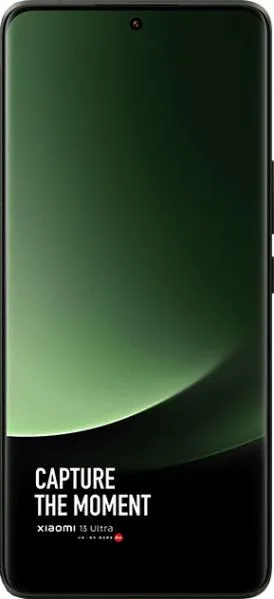
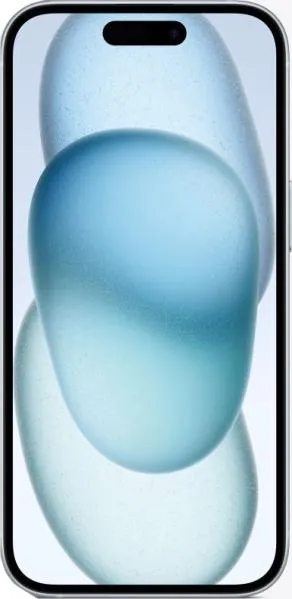
| Feature | Xiaomi 13 Ultra | Apple iPhone 15 | Practical Impact |
|---|---|---|---|
| Design | |||
| Dimensions (mm) | 163.2 x 74.6 x 9.1 | 147.6 x 71.6 x 7.8 | iPhone 15 is significantly smaller and more pocketable. Xiaomi 13 Ultra is larger and heavier. |
| Weight (g) | 227 | 171 | iPhone 15 is noticeably lighter for one-handed use and carrying comfort. |
| Build Materials | Not specified | Not specified | Build material impacts durability and premium feel. Lack of information limits comparison. |
| Display | |||
| Display Size (inches) | 6.73 | 6.1 | Xiaomi offers a larger screen for immersive content consumption. iPhone 15 is more compact. |
| Resolution (px) | 1440 x 3200 | 1179 x 2556 | Xiaomi boasts a sharper display with higher pixel density. |
| Display Type | LTPO AMOLED | OLED | Both are high-quality displays, but Xiaomi's LTPO panel allows for variable refresh rate (1-120Hz), leading to smoother scrolling and potentially better battery life. |
| Peak Brightness (nits) | 2600 | 2000 | Xiaomi's display can get brighter, improving outdoor visibility. |
| Performance | |||
| Chipset | Snapdragon 8 Gen 2 | A16 Bionic | Both are flagship chipsets offering top-tier performance. Real-world differences might be subtle and depend on specific tasks and optimization. |
| CPU | Octa-core | Hexa-core | Core count doesn't directly translate to performance. Both CPUs are powerful. |
| RAM (GB) | 12 | 6 | Xiaomi offers more RAM, potentially beneficial for multitasking and demanding applications, though iOS's memory management might mitigate this difference. |
| Camera | |||
| Main Camera (MP) | 50 | 48 | Megapixel count isn't the sole determinant of image quality. Both phones use high-quality sensors. Xiaomi's 1-inch sensor potentially offers better low-light performance and depth of field. |
| Camera Features | Leica lens, Variable Aperture | Cinematic Mode, Sensor-shift stabilization | Xiaomi emphasizes hardware with Leica collaboration and variable aperture. iPhone focuses on computational photography and video features. |
| Battery | |||
| Battery Capacity (mAh) | 5000 | 3349 | Xiaomi's significantly larger battery likely translates to longer battery life. |
2. Key Differences Analysis
Xiaomi 13 Ultra Advantages:
- Superior Display: Larger, sharper, and brighter with LTPO technology for smoother scrolling and potential power savings.
- Larger Battery: Significantly higher capacity promising longer usage time.
- Versatile Camera System: Leica-tuned lenses, variable aperture, and a larger main sensor for potential photographic excellence.
- More RAM: Potentially better for multitasking and future-proofing.
iPhone 15 Advantages:
- More Compact and Lighter: Easier to handle and carry.
- iOS Ecosystem: Seamless integration with other Apple devices and a reputation for simplicity and security.
- Computational Photography: Advanced image processing algorithms and features like Cinematic mode.
- Potentially Lower Price: Depending on configuration, the iPhone 15 is generally more affordable.
3. User Profiles & Recommendations
Xiaomi 13 Ultra: Ideal for power users, photography enthusiasts, and those who prioritize display quality and battery life. Excellent for content consumption, mobile gaming, and demanding tasks.
iPhone 15: Suitable for users who prefer a compact and lightweight phone, value iOS simplicity and ecosystem integration, and prioritize video recording capabilities. Good for everyday tasks, social media, and casual gaming.
4. Decision Framework
Key Questions for Buyers:
- What is your budget? The Xiaomi 13 Ultra falls into a higher price bracket.
- What screen size and form factor do you prefer? Consider portability versus immersive viewing.
- What operating system and ecosystem are you invested in? Android vs. iOS is a major consideration.
Scenario-Based Recommendations:
- Prioritize Photography and Battery Life: Xiaomi 13 Ultra
- Value Compactness and iOS Ecosystem: iPhone 15
- Seek Best Value for Money: iPhone 15, unless premium camera features are paramount.
My Choice: Xiaomi 13 Ultra
While I appreciate the compact size and iOS ecosystem of the iPhone 15, the Xiaomi 13 Ultra's superior display, significantly larger battery, and potentially more versatile camera system are compelling. The larger screen and longer battery life are crucial for my usage, which involves heavy content consumption and multitasking. Although the Xiaomi 13 Ultra is larger and heavier, I am willing to make that trade-off for the benefits it offers. The potential for superior low-light photography and variable aperture control further solidifies my preference for the Xiaomi 13 Ultra. While the iPhone 15 offers excellent video capabilities, my priorities lie in overall performance, battery life, and display quality. Finally, the extra RAM in the Xiaomi potentially provides better future-proofing.
