1. Specifications Comparison
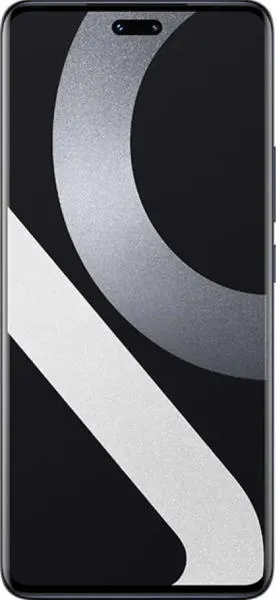
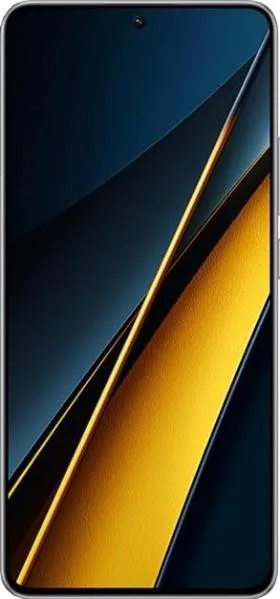
| Feature | Xiaomi 13 Lite | Xiaomi Poco X6 Pro | Practical Impact |
|---|---|---|---|
| Design | |||
| Dimensions (mm) | 159.2 x 72.7 x 7.2 | 160.5 x 74.3 x 8.3 | Poco X6 Pro is slightly larger and thicker. |
| Weight (g) | 171 | 186 | 13 Lite is noticeably lighter for comfortable one-handed use. |
| Display | |||
| Size (inches) | 6.55 | 6.67 | Poco X6 Pro offers a slightly larger screen for more immersive content consumption. |
| Resolution (px) | 1080 x 2400 | 1220 x 2712 | Poco X6 Pro has a sharper display due to higher resolution. |
| Type | AMOLED | AMOLED | Both offer vibrant colors and deep blacks. |
| Refresh Rate (Hz) | 120 | 120 | Both provide smooth scrolling and animations. |
| Peak Brightness (nits) | 1000 | 1800 | Poco X6 Pro is significantly brighter, improving outdoor visibility. |
| Performance | |||
| Chipset | Snapdragon 7 Gen 1 | Dimensity 8300 Ultra | Both are mid-range chipsets, but the 8300 Ultra is generally considered more powerful based on benchmarks. This translates to better performance in demanding tasks and games. |
| CPU | Octa-core (1x2.4 GHz A710 & 3x2.36 GHz A710 & 4x1.8 GHz A510) | Octa-core (1x3.35 GHz A715 & 3x3.20 GHz A715 & 4x2.20 GHz A510) | Poco X6 Pro has faster CPU clock speeds, resulting in quicker app launches and multitasking. |
| GPU | Adreno 644 | Mali G615-MC6 | GPU performance comparisons are difficult without benchmarks. |
| RAM (GB) | 8 | 8/12 | Poco X6 Pro offers a 12GB RAM option for enhanced multitasking. |
| Camera | |||
| Main Camera (MP) | 50 (Sony IMX766) | 64 (Omnivision OV64B) | Both sensors are capable, but image quality comparisons require real-world testing. |
| Ultrawide (MP) | 8 | 8 | Similar ultrawide capabilities. |
| Macro (MP) | 2 | 2 | Similar macro capabilities. |
| Selfie (MP) | 32 | 16 | 13 Lite has a higher resolution selfie camera. |
| Video | 4K@30fps, 720p@960fps | 4K@30fps, 1080p@60fps | 13 Lite offers higher slow-motion recording capability. Poco X6 Pro offers EIS at 4K. |
| Battery | |||
| Capacity (mAh) | 4500 | 5000 | Poco X6 Pro offers longer battery life. |
| Charging (W) | 67W | 67W | Both offer fast charging with similar speeds. |
2. Key Differences Analysis
Xiaomi 13 Lite Advantages:
- Lighter and more compact: Easier to handle and carry.
- Higher resolution selfie camera: Better for video calls and self-portraits.
- Higher slow-motion video recording: Captures more detailed slow-motion footage.
Xiaomi Poco X6 Pro Advantages:
- More powerful processor: Better performance for gaming and demanding tasks.
- Sharper display with higher brightness: Improves outdoor visibility and media consumption.
- Larger battery: Provides longer usage time between charges.
- More RAM in higher-end configuration: Improved multitasking performance.
- Optical Image Stabilization: Stabilized video recording at 4K.
3. User Profiles & Recommendations
Xiaomi 13 Lite: Users who prioritize a lightweight and compact phone, frequently take selfies or slow-motion videos, and have moderate performance needs. Good for social media users and casual photographers.
Xiaomi Poco X6 Pro: Users who prioritize performance for gaming and demanding applications, value a bright and sharp display, and need long battery life. Good for power users, mobile gamers, and content consumers.
4. Decision Framework
Key Questions for Buyers:
- What is your budget? The Poco X6 Pro offers more for a similar price.
- What are your primary use cases? (e.g., gaming, photography, social media)
- Do you prioritize portability or screen size/performance?
Scenario-Based Recommendations:
- Limited Budget, Casual User: Xiaomi 13 Lite if weight and size are paramount.
- Power User, Gamer: Xiaomi Poco X6 Pro for its superior performance and battery.
- Photographer/Videographer: Requires deeper camera analysis with sample images/videos, but the Poco X6 Pro's OIS gives it an advantage in video.
My Choice: Xiaomi Poco X6 Pro
While the Xiaomi 13 Lite offers a lighter and more compact design, the Poco X6 Pro provides significantly more value for a similar price. The more powerful processor, brighter and sharper display, larger battery, and potential for better image quality with OIS make it a more compelling overall package for my needs. While I appreciate a lighter phone, the performance and feature advantages of the Poco X6 Pro outweigh the slight increase in size and weight. The 12GB RAM option also provides future-proofing for demanding applications.
