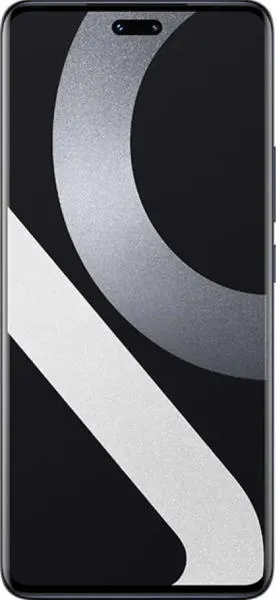
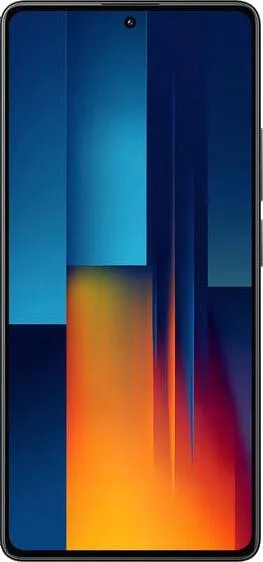
1. Specifications Comparison
| Feature | Xiaomi 13 Lite | Xiaomi Poco M6 Pro | Practical Impact |
|---|---|---|---|
| Design | |||
| Dimensions (mm) | 159.2 x 72.7 x 7.2 | 161.1 x 75 x 8 | Poco M6 Pro is slightly larger and thicker. |
| Weight (g) | 171 | 179 | Xiaomi 13 Lite is noticeably lighter, more comfortable for extended use. |
| Display | |||
| Size (inches) | 6.55 | 6.67 | Poco M6 Pro offers a slightly larger screen for media consumption. |
| Resolution | 1080 x 2400 | 1080 x 2400 | Identical resolution; sharpness is comparable given the similar size. |
| Type | AMOLED | AMOLED | Both offer vibrant colors and deep blacks. |
| Refresh Rate (Hz) | 120 | 120 | Both provide smooth scrolling and animations. |
| Peak Brightness (nits) | 1000 | 1300 | Poco M6 Pro's higher peak brightness improves outdoor visibility. |
| HDR | Dolby Vision, HDR10+ | (Missing HDR specification) | 13 Lite offers superior HDR support for compatible content. |
| Performance | |||
| Chipset | Snapdragon 7 Gen 1 | Helio G99 Ultra | Snapdragon 7 Gen 1 generally offers better performance and efficiency. |
| CPU | Octa-core (1x2.4 GHz A710 & 3x2.36 GHz A710 & 4x1.8 GHz A510) | Octa-core (2x2.2 GHz A76 & 6x2.0 GHz A55) | 13 Lite's CPU architecture is newer and likely more powerful. |
| GPU | Adreno 644 | Mali-G57 MC2 | Adreno 644 generally provides better gaming performance. |
| RAM (GB) | 8 | 8 (up to 12 available) | RAM capacity is comparable in the base models, though Poco M6 Pro offers higher RAM options. |
| Camera | |||
| Main Camera (MP) | 50 (Sony IMX766) | 64 (Omnivision OV64B) | Poco M6 Pro has a higher resolution sensor, but sensor quality isn't solely determined by megapixels. IMX766 is known for good performance. |
| Ultrawide (MP) | 8 | 8 | Comparable ultrawide cameras. |
| Front Camera (MP) | 32 + 8 (Depth) | 16 | 13 Lite boasts a higher resolution selfie camera and a dedicated depth sensor. |
| Video Recording | Up to 4K@30fps, 720p@960fps | Up to 1080p@60fps | 13 Lite offers 4K recording and higher slow-motion capabilities. |
| Battery | |||
| Capacity (mAh) | 4500 | 5000 | Poco M6 Pro has a larger battery, potentially leading to longer battery life. |
| Fast Charging (W) | 67 | 67 | Both offer equally fast charging speeds. |
2. Key Differences Analysis
Xiaomi 13 Lite Advantages:
- Superior Display: Dolby Vision and HDR10+ support for better HDR content.
- More Powerful Performance: Snapdragon 7 Gen 1 offers better overall and gaming performance.
- Higher Quality Main Camera Sensor: Sony IMX766 is known for good low-light performance and dynamic range.
- More Versatile Camera System: Dual front cameras and higher slow-motion video recording.
- Lighter and More Compact: More comfortable for one-handed use and extended periods.
Xiaomi Poco M6 Pro Advantages:
- Larger Display: Slightly bigger screen for immersive media viewing.
- Higher Peak Brightness: Better visibility in direct sunlight.
- Larger Battery: Potentially longer battery life.
- Lower Price: Generally more affordable, especially considering higher RAM/storage options.
3. User Profiles & Recommendations
Xiaomi 13 Lite: Users who prioritize performance, camera quality, a vibrant display with HDR support, and a lighter, more compact design. Ideal for:
- Mobile Gaming: Snapdragon 7 Gen 1 and Adreno 644 offer better gaming performance.
- Photography Enthusiasts: Superior main camera sensor and versatile camera system.
- Content Consumption (HDR focus): Dolby Vision and HDR10+ provide a better viewing experience for compatible content.
Xiaomi Poco M6 Pro: Users who prioritize battery life, a large screen, and affordability. Ideal for:
- General Use: Good performance for everyday tasks.
- Media Consumption (Brightness & Size focus): Larger, brighter display enhances the viewing experience.
- Budget-Conscious Buyers: Offers excellent value for its price.
4. Decision Framework
Key Questions for Buyers:
- What is your budget? The Poco M6 Pro offers better value for its lower price.
- What are your primary use cases? Gaming and photography lean towards the 13 Lite; media consumption and long battery life favor the Poco M6 Pro.
- Do you prioritize performance or battery life? The 13 Lite offers better performance, while the Poco M6 Pro likely has longer battery life.
My Choice: Xiaomi 13 Lite
While the Poco M6 Pro offers tempting value, I would choose the Xiaomi 13 Lite. The superior performance of the Snapdragon 7 Gen 1, combined with the higher quality main camera sensor (Sony IMX766) and the vibrant display with Dolby Vision/HDR10+, outweighs the benefits of the Poco M6 Pro for my personal needs. I value a smooth, responsive user experience, excellent camera capabilities, and a compact design, even if it means a slightly higher price and potentially shorter battery life. The difference in battery capacity is not substantial enough to sway my decision given the advantages the 13 Lite offers in other critical areas.
