1. Specifications Comparison
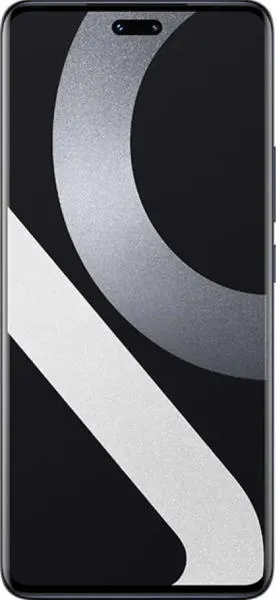
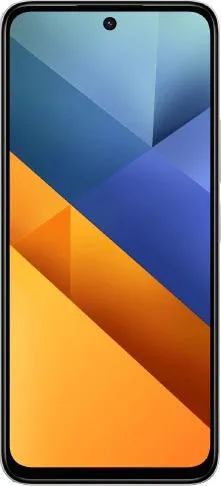
| Feature | Xiaomi 13 Lite | Xiaomi Poco M6 4G | Practical Impact |
|---|---|---|---|
| Design | |||
| Dimensions (mm) | 159.2 x 72.7 x 7.2 | 168.6 x 76.3 x 8.3 | Poco M6 4G is larger and thicker. 13 Lite is more pocketable and easier to handle one-handed. |
| Weight (g) | 171 | 205 | 13 Lite is noticeably lighter, reducing hand fatigue during extended use. |
| Display | |||
| Display Type | AMOLED | IPS LCD | 13 Lite offers more vibrant colors, deeper blacks, and better power efficiency. Poco M6 4G's LCD may be brighter in direct sunlight. |
| Display Size (inches) | 6.55 | 6.79 | Poco M6 4G provides a larger screen for media consumption, but may be less comfortable for one-handed use. |
| Refresh Rate (Hz) | 120 | 90 | 13 Lite offers smoother scrolling and animations, enhancing the overall user experience. |
| HDR | Dolby Vision, HDR10+ | None | 13 Lite supports HDR standards, resulting in significantly better video quality with compatible content. |
| Performance | |||
| Chipset | Snapdragon 7 Gen 1 (4nm) | Helio G91 Ultra (12nm) | 13 Lite's more advanced and efficient chipset will likely offer better performance and battery life. |
| CPU | Octa-core (1x2.4 GHz Cortex-A710 & 3x2.36 GHz Cortex-A710 & 4x1.8 GHz Cortex-A510) | Octa-core (2x2.0 GHz Cortex-A75 & 6x1.8 GHz Cortex-A55) | 13 Lite's CPU architecture is more modern and powerful, leading to smoother multitasking and faster app loading. |
| GPU | Adreno 644 | Mali-G52 MC2 | 13 Lite offers superior graphics performance for demanding games and applications. |
| RAM (GB) | 8 | 6/8 (Specification provided lists both) | 8GB RAM provides better multitasking capabilities, especially with demanding applications. |
| Camera | |||
| Main Camera (MP) | 50 (Sony IMX766) | 108 (Samsung HM6) | Poco M6 4G boasts higher resolution, potentially capturing more detail. However, sensor size and processing are crucial for overall image quality, and the IMX766 is generally well-regarded. |
| Video Recording | Up to 4K@30fps, 720p@960fps | Up to 1080p@30fps | 13 Lite offers higher resolution video recording and significantly better slow-motion capabilities. |
| Battery | |||
| Capacity (mAh) | 4500 | 5030 | Poco M6 4G has a larger battery, potentially lasting longer on a single charge. |
| Fast Charging (W) | 67W | 33W | 13 Lite charges significantly faster, minimizing downtime. |
2. Key Differences Analysis
Xiaomi 13 Lite Advantages:
- Superior Display: AMOLED with 120Hz refresh rate and HDR support offers a significantly better visual experience.
- Faster Performance: More powerful and efficient chipset and CPU architecture deliver smoother overall performance.
- Faster Charging: 67W fast charging drastically reduces charging time.
- More Compact Design: Smaller and lighter build for easier one-handed use.
- Better Slow Motion Video: 960fps allows for capturing highly detailed slow-motion footage.
Xiaomi Poco M6 4G Advantages:
- Larger Battery: 5030mAh battery may provide longer battery life.
- Larger Display: 6.79-inch screen offers more screen real estate for media consumption.
- Lower Price: Positioned in the "low price" range, offering better affordability.
3. User Profiles & Recommendations
Xiaomi 13 Lite: Users who prioritize performance, display quality, fast charging, and a premium feel. Ideal for gaming, media consumption with HDR content, and multitasking.
Xiaomi Poco M6 4G: Budget-conscious users who prioritize battery life and a large display for media consumption. Suitable for casual gaming, web browsing, and general use.
4. Decision Framework
Key Questions for Buyers:
- What is your budget? The Poco M6 4G is significantly more affordable.
- What are your performance requirements? For demanding tasks, the 13 Lite's superior hardware is essential.
- What is more important: display quality or battery life? The 13 Lite excels in display quality, while the Poco M6 4G likely offers longer battery life.
My Choice: Xiaomi 13 Lite
While the Poco M6 4G offers a compelling value proposition for its price, the Xiaomi 13 Lite is the superior device overall. The significantly better display, faster performance, and quicker charging outweigh the benefits of the Poco M6 4G's larger battery and lower price for my personal needs. I value a smooth and responsive user experience, vibrant visuals, and minimal charging time, which the 13 Lite delivers. The slightly higher price is justified by the noticeable upgrade in quality and performance. While battery life is important, the 13 Lite's fast charging mitigates concerns about running out of power. Furthermore, the more compact and lighter design of the 13 Lite appeals to my preference for a phone that is comfortable to hold and use one-handed.
