1. Specifications Comparison
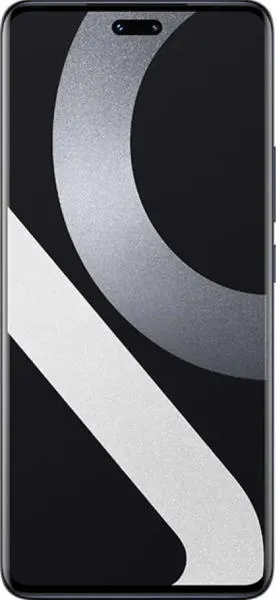
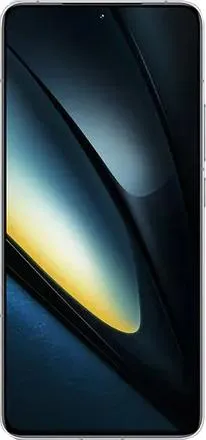
| Feature | Xiaomi 13 Lite | Xiaomi Poco F6 Pro | Practical Impact |
|---|---|---|---|
| Design | |||
| Dimensions (mm) | 159.2 x 72.7 x 7.2 | 160.9 x 75 x 8.2 | Poco F6 Pro is slightly larger and thicker. |
| Weight (g) | 171 | 209 | 13 Lite is noticeably lighter, more comfortable for one-handed use and extended holding. |
| Display | |||
| Size (inches) | 6.55 | 6.67 | Poco F6 Pro offers a slightly larger screen for more immersive content consumption. |
| Resolution | 1080 x 2400 | 1440 x 3200 | Poco F6 Pro has a significantly sharper display (526 ppi vs 402 ppi), resulting in crisper text and images. |
| Refresh Rate (Hz) | 120 | 120 | Both offer smooth scrolling and animations. |
| Peak Brightness (nits) | 1000 | 4000 | Poco F6 Pro's display is much brighter, ensuring better visibility in direct sunlight. |
| Performance | |||
| Chipset | Snapdragon 7 Gen 1 | Snapdragon 8 Gen 2 | Poco F6 Pro boasts a significantly more powerful processor, leading to much faster performance in demanding tasks and gaming. |
| CPU | Octa-core (1x2.4 GHz A710 & 3x2.36 GHz A710 & 4x1.8 GHz A510) | Octa-core (1x3.2 GHz X3 & 2x2.8 GHz A715 & 2x2.8 GHz A710 & 3x2.0 GHz A510) | The architectural improvements in the Poco F6 Pro's CPU cores offer substantial performance gains. |
| GPU | Adreno 644 | Adreno 740 | Poco F6 Pro's GPU provides a substantial boost in graphics performance for smoother gaming and faster rendering. |
| RAM (GB) | 8 | 12 | More RAM in the Poco F6 Pro allows for better multitasking and smoother performance with multiple apps open. |
| Camera | |||
| Main Camera (MP) | 50 | 50 | While both have 50MP sensors, the Poco F6 Pro utilizes a different sensor (Omnivision vs Sony) and has Optical Image Stabilization (OIS) for potentially better low-light performance and sharper images. |
| Video Recording | Up to 4K@30fps | Up to 8K@24fps | Poco F6 Pro offers higher resolution video recording capabilities. |
| Battery | |||
| Capacity (mAh) | 4500 | 5000 | Poco F6 Pro has a larger battery, potentially leading to longer battery life. |
| Fast Charging (W) | 67 | 120 | Poco F6 Pro supports significantly faster charging, minimizing downtime. |
2. Key Differences Analysis
Xiaomi 13 Lite Advantages:
- Lighter and more compact: More comfortable for one-handed use and portability.
- Lower price: Offers a more budget-friendly option.
Xiaomi Poco F6 Pro Advantages:
- Significantly more powerful: Superior performance for demanding tasks and gaming due to the Snapdragon 8 Gen 2 chip.
- Sharper and brighter display: Enhanced visual experience with higher resolution and peak brightness.
- Larger battery and faster charging: Longer battery life and reduced charging time.
- Higher resolution video recording: Ability to capture 8K video.
- Optical Image Stabilization (OIS) on the main camera: Potentially leading to better low-light performance and sharper images.
Trade-offs:
- Poco F6 Pro: Larger and heavier, potentially less comfortable for some users. Higher price point.
- 13 Lite: Less powerful, lower resolution display, slower charging.
3. User Profiles & Recommendations
Xiaomi 13 Lite:
- Ideal User: Budget-conscious users who prioritize portability and ease of use for everyday tasks like social media, browsing, and casual photography.
- Use Cases: Casual photography, social media, web browsing, light gaming.
Xiaomi Poco F6 Pro:
- Ideal User: Power users and gamers who demand top-tier performance, a premium display, and advanced camera features. Users who value fast charging and long battery life.
- Use Cases: Demanding mobile gaming, professional photography/videography, content creation, multitasking.
4. Decision Framework
Key Questions for Buyers:
- What is your budget? The Poco F6 Pro is significantly more expensive.
- What are your primary use cases? Gaming and demanding tasks benefit from the Poco F6 Pro's power, while casual use is well-served by the 13 Lite.
- Do you prioritize portability and one-handed use? The 13 Lite is lighter and more compact.
My Choice: Xiaomi Poco F6 Pro
While the Xiaomi 13 Lite offers good value for its price, the Poco F6 Pro is the clear winner for me. The significant performance upgrade, superior display, improved camera with OIS, larger battery with faster charging, and longer software support (up to Android 17) make it a much more compelling device. The extra weight and size are minor trade-offs for the substantial gains in overall user experience. I prioritize performance, a great display, and future-proofing, making the Poco F6 Pro the better long-term investment.
