1. Specifications Comparison
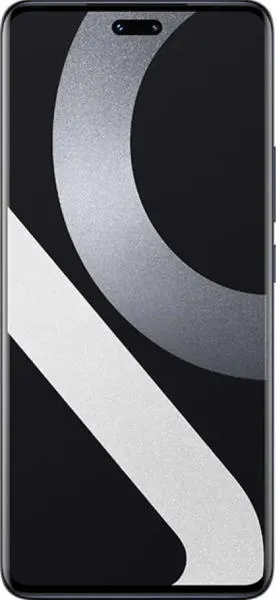
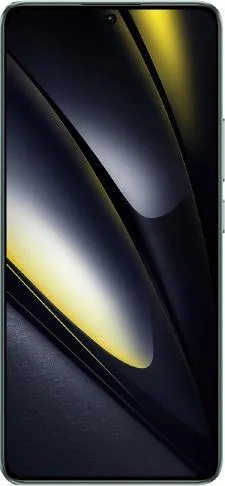
| Feature | Xiaomi 13 Lite | Xiaomi Poco F6 | Practical Impact |
|---|---|---|---|
| Design | |||
| Dimensions (mm) | 159.2 x 72.7 x 7.2 | 160.5 x 74.5 x 8.0 | Poco F6 is slightly larger and thicker. |
| Weight (g) | 171 | 179 | Poco F6 is slightly heavier, but the difference is negligible in practical use. |
| Display | |||
| Display Type | AMOLED | AMOLED | Both offer vibrant colors and deep blacks. |
| Display Size (inches) | 6.55 | 6.67 | Poco F6 has a slightly larger screen, providing more immersive content consumption. |
| Resolution | 1080 x 2400 | 1220 x 2712 | Poco F6 has a sharper display due to higher resolution. |
| Refresh Rate (Hz) | 120 | 120 | Both offer smooth scrolling and animations. |
| Peak Brightness (nits) | 1000 | 2400 | Poco F6 has significantly higher peak brightness, making it much more usable in direct sunlight. |
| Performance | |||
| Chipset | Snapdragon 7 Gen 1 | Snapdragon 8s Gen 3 | Poco F6 boasts a significantly more powerful processor, resulting in much faster performance for demanding tasks and gaming. |
| CPU | Octa-core (1x2.4 GHz A710 & 3x2.36 GHz A710 & 4x1.8 GHz A510) | Octa-core (1x3.0 GHz X4 & 4x2.8 GHz A720 & 3x2.0 GHz A520) | Poco F6's CPU has a faster clock speed and more powerful cores, leading to noticeable performance gains. |
| GPU | Adreno 644 | Adreno 735 | Poco F6's GPU offers significantly better graphics performance for gaming and other visually intensive applications. |
| RAM (GB) | 8 | 8/12 | Poco F6 offers a 12GB RAM option for even smoother multitasking. |
| Camera | |||
| Main Camera (MP) | 50 (Sony IMX766) | 50 (Sony IMX882) | Both have high-resolution sensors; image quality differences will depend on processing. |
| Ultrawide (MP) | 8 | 8 | Similar ultrawide capabilities. |
| Macro (MP) | 2 | None (listed) | 13 Lite offers a dedicated macro lens, though its low resolution might limit its usefulness. |
| Selfie Camera (MP) | 32 + 8 (Depth) | 20 | 13 Lite has a higher resolution selfie camera and a dedicated depth sensor. Poco F6 has a single, lower-resolution selfie camera. |
| Video Recording | Up to 4K@30fps, 720p@960fps | Up to 4K@60fps, 1080p@240fps with EIS | Poco F6 offers higher resolution and frame rate video recording with Electronic Image Stabilization (EIS) for smoother footage. |
| Battery | |||
| Capacity (mAh) | 4500 | 5000 | Poco F6 has a larger battery capacity, potentially lasting longer on a single charge. |
| Fast Charging (W) | 67 | 90 | Poco F6 supports significantly faster charging. |
2. Key Differences Analysis
Xiaomi 13 Lite Advantages:
- Lighter and more compact: Better for one-handed use and portability.
- Higher resolution selfie camera with depth sensor: Potentially better for video calls and portrait selfies.
- Dedicated macro lens: Offers the option for close-up shots.
Xiaomi Poco F6 Advantages:
- Significantly more powerful processor and GPU: Much better for demanding tasks, gaming, and future-proofing.
- Sharper and brighter display: More immersive media consumption, especially outdoors.
- Larger battery with faster charging: Longer battery life and quicker charging times.
- Newer Android version with longer support: More up-to-date software and security updates for a longer period.
- Electronic Image Stabilisation (EIS) in videos: Results in significantly smoother video footage.
3. User Profiles & Recommendations
Xiaomi 13 Lite: Users prioritizing a lightweight, compact phone with a good selfie camera for casual use and social media.
Xiaomi Poco F6: Users who value performance, a great display, long battery life, and future-proofing for demanding tasks, gaming, and media consumption. Excellent for power users.
4. Decision Framework
Key Questions for Buyers:
- What is your budget? Both are mid-range, but specific pricing should be compared.
- What are your primary phone usage patterns? (e.g., social media, gaming, photography, productivity)
- Do you prioritize portability and a compact design or a larger screen and powerful performance?
Scenario-Based Recommendations:
- Casual User: 13 Lite might be sufficient.
- Power User/Gamer: Poco F6 is the clear choice.
- Photographer/Videographer: Poco F6, due to its superior main camera sensor, faster video recording capabilities, and EIS.
My Choice: Xiaomi Poco F6
The Poco F6 offers a substantial upgrade in performance, display, battery, and future-proofing thanks to its newer and more powerful hardware and software. While the 13 Lite has its strengths in portability and selfie camera, the Poco F6's advantages in key areas like processing power, display quality, and battery life are far more compelling for a broader range of users. The inclusion of EIS for video is also a major differentiator for content creators. The slightly larger size and weight are minor trade-offs for the significant performance gains. While subjective preferences for size and camera setup exist, objectively, the Poco F6 provides a more powerful and versatile overall package.
