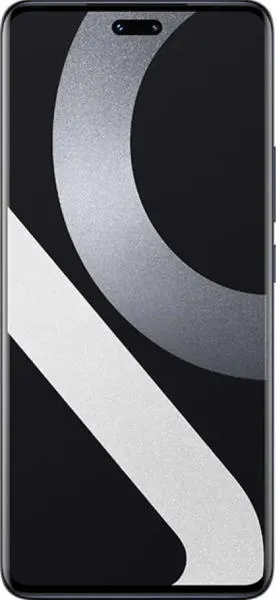

1. Specifications Comparison
| Feature | Xiaomi 13 Lite | Xiaomi Poco F5 Pro | Practical Impact |
|---|---|---|---|
| Design | |||
| Dimensions (mm) | 159.2 x 72.7 x 7.2 | 162.8 x 75.4 x 8.6 | Poco F5 Pro is larger and thicker. 13 Lite is more pocketable and lighter (171g vs 204g), noticeably impacting one-handed use and comfort. |
| Display | |||
| Size | 6.55" | 6.67" | Poco F5 Pro offers a slightly larger screen for more immersive media consumption. |
| Resolution | 1080 x 2400 | 1440 x 3200 | Poco F5 Pro has a significantly sharper display (526 ppi vs 402 ppi), resulting in crisper text and images. Noticeable difference in detail for media consumption and everyday use. |
| Refresh Rate | 120Hz | 120Hz | Both offer smooth scrolling and animations. |
| Display Type | AMOLED | AMOLED | Both offer vibrant colors and deep blacks. Poco F5 Pro boasts higher peak brightness (1400 nits vs 1000 nits), improving outdoor visibility. |
| Performance | |||
| Chipset | Snapdragon 7 Gen 1 | Snapdragon 8+ Gen 1 | Poco F5 Pro features a flagship-level processor, offering significantly better performance for demanding tasks like gaming and multitasking. 13 Lite is sufficient for everyday use. |
| RAM | 8GB | 8/12GB | Poco F5 Pro offers a 12GB RAM option, enabling smoother multitasking and better handling of memory-intensive applications. |
| Camera | |||
| Main Camera | 50MP (Sony IMX766) | 64MP (OmniVision OV64B) | Both offer high-resolution sensors. Practical image quality differences would depend on image processing. Poco F5 Pro offers OIS for steadier videos and low-light photos. |
| Video | 4K@30fps | 8K@24fps | Poco F5 Pro supports 8K video recording, though practical usage is limited by storage and processing power. Both offer various slow-motion capabilities. |
| Battery | |||
| Capacity | 4500mAh | 5160mAh | Poco F5 Pro has a larger battery capacity, potentially translating to longer battery life. |
| Charging | 67W | 67W | Both offer fast charging, likely resulting in similar charging times despite the Poco F5 Pro's larger battery. Wireless charging is only available on the Poco F5 Pro (30W). |
2. Key Differences Analysis
Xiaomi 13 Lite Advantages:
- More Compact and Lightweight: Noticeably easier to handle and carry.
- Lower Price: Offers good value for its features.
Xiaomi Poco F5 Pro Advantages:
- Significantly Better Performance: Handles demanding tasks and gaming with ease.
- Sharper Display: Provides a more detailed and immersive viewing experience.
- Larger Battery: Potentially longer battery life.
- 8K Video Recording: Offers higher resolution video capture (though practical benefits may be limited).
- Optical Image Stabilization: Results in smoother videos and improved low-light photos.
- Wireless Charging: Adds convenience for charging.
3. User Profiles & Recommendations
Xiaomi 13 Lite:
- Ideal User: Budget-conscious users who prioritize portability and a good balance of features for everyday use (social media, web browsing, light gaming).
- Use Cases: Casual photography, social media, web browsing, communication.
Xiaomi Poco F5 Pro:
- Ideal User: Power users who demand top-tier performance for gaming, multitasking, and media consumption. Users who value a high-quality display and camera features.
- Use Cases: Demanding mobile gaming, professional photography/videography, content creation, multitasking.
4. Decision Framework
Key Questions for Buyers:
- What is your budget? The Poco F5 Pro is more expensive.
- What is your primary use case? (e.g., gaming, photography, everyday tasks)
- Do you prioritize portability or performance?
My Choice: Xiaomi Poco F5 Pro
While the Xiaomi 13 Lite offers excellent value for its price, I would choose the Poco F5 Pro. The significant performance difference due to the Snapdragon 8+ Gen 1 processor, coupled with the sharper display, larger battery, OIS for the camera, and wireless charging, makes it a more compelling device for my needs. I prioritize a smooth and powerful user experience for demanding tasks and media consumption, and I am willing to pay the premium for these features. The slightly larger size and weight are acceptable trade-offs for the significant performance and feature upgrades.
