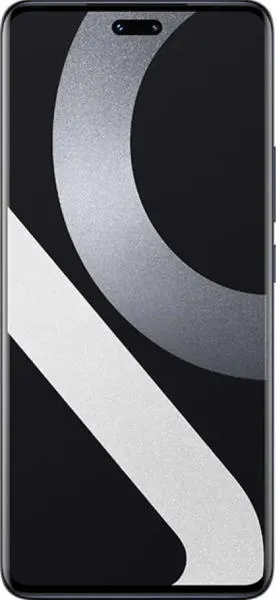
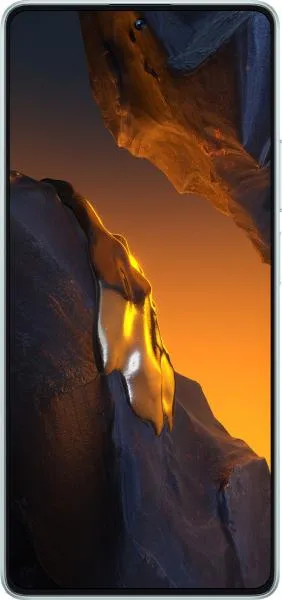
1. Specifications Comparison
| Feature | Xiaomi 13 Lite | Xiaomi Poco F5 | Practical Impact |
|---|---|---|---|
| Design | |||
| Dimensions (mm) | 159.2 x 72.7 x 7.2 | 161.1 x 75.0 x 7.9 | Poco F5 is slightly larger and thicker. |
| Weight (g) | 171 | 181 | 13 Lite is noticeably lighter, more comfortable for extended use. |
| Fingerprint Sensor | Under Display | Side-mounted | Preference-based, side-mounted often faster, under-display more seamless. |
| Display | |||
| Size (inches) | 6.55 | 6.67 | Poco F5 offers a slightly larger screen for media consumption. |
| Resolution | 1080 x 2400 | 1080 x 2400 | Identical resolution, sharpness comparable given the slight size difference. |
| Type | AMOLED | AMOLED | Both offer vibrant colors and deep blacks. |
| Refresh Rate (Hz) | 120 | 120 | Both provide smooth scrolling and animations. |
| Peak Brightness (nits) | 1000 | 1000 | Comparable peak brightness for good outdoor visibility. |
| Performance | |||
| Chipset | Snapdragon 7 Gen 1 | Snapdragon 7+ Gen 2 | Poco F5 has a significantly more powerful and efficient processor, leading to smoother performance, better multitasking, and improved gaming. |
| CPU | Octa-core (1x2.4 GHz A710 & 3x2.36 GHz A710 & 4x1.8 GHz A510) | Octa-core (1x2.91 GHz X2 & 3x2.49 GHz A710 & 4x1.8 GHz A510) | Poco F5's CPU architecture with Cortex-X2 core delivers a notable performance advantage. |
| GPU | Adreno 644 | Adreno 725 | Poco F5's GPU provides a significant boost in graphics performance for demanding games and apps. |
| RAM (GB) | 8 | 8/12 | Poco F5 offers a 12GB RAM option for even smoother multitasking and future-proofing. |
| Camera | |||
| Main Camera (MP) | 50 (Sony IMX766) | 64 (Omnivision OV64B) | Poco F5 has a higher resolution main sensor; image quality depends on processing. IMX766 generally known for good performance. |
| Ultrawide (MP) | 8 | 8 | Similar ultrawide cameras. |
| Selfie Camera (MP) | 32 + 8 (Depth) | 16 | 13 Lite prioritizes selfie resolution with a dual setup; Poco F5 has a single lens. |
| Video | 4K@30fps, 720p@960fps | 4K@30fps with EIS | Both offer 4K video recording; Poco F5 features Electronic Image Stabilization (EIS) for smoother videos. 13 Lite offers higher slow-motion capabilities. |
| Battery | |||
| Capacity (mAh) | 4500 | 5000 | Poco F5 has a larger battery capacity, potentially longer battery life. |
| Fast Charging (W) | 67 | 67 | Both offer equally fast charging speeds. |
2. Key Differences Analysis
Xiaomi 13 Lite Advantages:
- Lighter and More Compact: Noticeably easier to handle and carry.
- Higher Resolution Selfie Camera: Better for users who prioritize high-quality selfies. Dual front camera setup allows for depth sensing.
Xiaomi Poco F5 Advantages:
- Significantly Better Performance: The Snapdragon 7+ Gen 2 provides a substantial leap in processing power and graphics capabilities, resulting in a smoother and more responsive user experience, especially for demanding tasks and gaming.
- Larger Battery: Potentially longer battery life.
- Electronic Image Stabilization (EIS) for Video: Results in smoother and more stable video recording.
- Newer OS with Longer Support: Ships with Android 13 and is expected to receive updates to Android 14, ensuring longer software support and access to the latest features.
3. User Profiles & Recommendations
Xiaomi 13 Lite:
- Ideal User: Users prioritizing a lightweight and compact phone with excellent selfie capabilities, casual usage.
- Use Cases: Everyday tasks, social media, web browsing, casual photography, video calls.
Xiaomi Poco F5:
- Ideal User: Users who value performance, longer battery life, and smoother video recording. Gamers, power users, and those who multitask heavily.
- Use Cases: Demanding games, video editing, multitasking, photography with stable video recording.
4. Decision Framework
Key Questions for Buyers:
- What is your budget? While both are in the mid-range, the Poco F5 might be slightly more expensive.
- What is your primary use case? Prioritize the 13 Lite for portability and selfies, the Poco F5 for performance and all-around capabilities.
- How important is software support and future-proofing? The Poco F5's newer Android version and promised updates make it a more future-proof option.
My Choice: Xiaomi Poco F5
While the Xiaomi 13 Lite offers a compelling combination of portability and a strong selfie camera, the Xiaomi Poco F5 is the clear winner for me due to its significantly superior performance, larger battery, and newer software with longer update support. The Snapdragon 7+ Gen 2 offers a substantial real-world difference in speed and responsiveness, making it a more future-proof choice. The larger battery also provides peace of mind for heavier usage. Although I appreciate the lighter weight of the 13 Lite, the performance benefits of the Poco F5 outweigh the slight size and weight difference for my personal needs. The addition of EIS for video recording further enhances its appeal.
