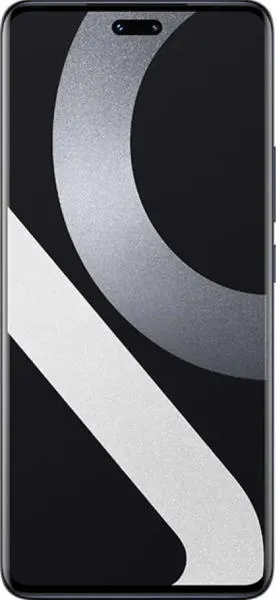
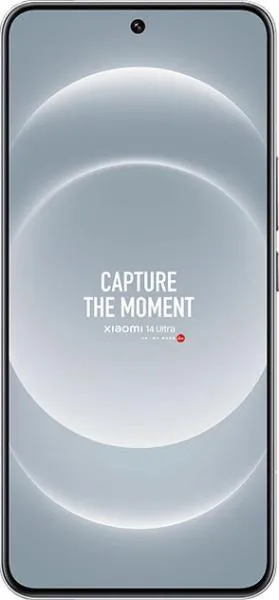
1. Specifications Comparison
| Feature | Xiaomi 13 Lite | Xiaomi 14 Ultra | Practical Impact |
|---|---|---|---|
| Design | |||
| Dimensions (mm) | 159.2 x 72.7 x 7.2 | 161.4 x 75.3 x 9.2 | 14 Ultra is slightly larger and noticeably thicker. |
| Weight (g) | 171 | 229.5 | 14 Ultra is significantly heavier, potentially impacting one-handed use. |
| Display | |||
| Size (inches) | 6.55 | 6.73 | 14 Ultra offers a slightly larger screen for more immersive content consumption. |
| Resolution | 1080 x 2400 | 1440 x 3200 | 14 Ultra has a much sharper display with significantly higher pixel density. |
| Panel Type | AMOLED | LTPO AMOLED | Both offer vibrant colors and deep blacks, but LTPO on the 14 Ultra allows for dynamic refresh rate adjustment, saving battery. |
| Peak Brightness (nits) | 1000 | 3000 | 14 Ultra's display is vastly brighter, ensuring excellent outdoor visibility. |
| Refresh Rate (Hz) | 120 | 120 | Both offer smooth scrolling and animations. |
| Performance | |||
| Chipset | Snapdragon 7 Gen 1 | Snapdragon 8 Gen 3 | 14 Ultra boasts a flagship-level processor, providing significantly faster performance for demanding tasks and gaming. |
| RAM (GB) | 8 | 16 | 14 Ultra has double the RAM, enabling smoother multitasking and better handling of demanding applications. |
| OS | Android 12 | Android 14 | 14 Ultra comes with a newer OS version, offering potential feature and security updates for a longer period. Longer OS support commitment up to Android 18. |
| Camera | |||
| Rear Camera | 50MP Main, 8MP Wide, 2MP Macro | 50MP Main, 50MP Wide+Macro, 50MP Telephoto (3.2x), 50MP Periscope Telephoto (5x) | 14 Ultra offers a vastly superior camera system with versatile zoom capabilities and a larger main sensor for better low-light performance. Leica lens collaboration suggests superior image quality. |
| Front Camera | 32MP + 8MP Depth | 32MP | 13 Lite has a dual front camera setup, while the 14 Ultra has a single, higher resolution sensor. The practical impact depends on the specific implementation of the depth sensor. |
| Video Recording | Up to 4K@30fps, 720p@960fps | Up to 8K@30fps, 1080p@1920fps | 14 Ultra offers significantly higher resolution video recording capabilities. |
| Battery | |||
| Capacity (mAh) | 4500 | 5000 | 14 Ultra has a slightly larger battery. |
| Fast Charging (W) | 67 | 90 | 14 Ultra charges significantly faster. Also supports 80W wireless charging not available on the 13 Lite. |
2. Key Differences Analysis
Xiaomi 13 Lite Advantages:
- Lighter and more compact: Easier for one-handed use and portability.
- Lower price: Offers a more budget-friendly option.
Xiaomi 14 Ultra Advantages:
- Significantly better performance: Handles demanding tasks and gaming with ease.
- Superior camera system: Provides versatile photography and videography capabilities.
- Sharper and brighter display: Delivers a more immersive viewing experience.
- Faster charging and larger battery: Less downtime and longer usage.
- Longer software support: Ensures security and feature updates for a longer period.
3. User Profiles & Recommendations
Xiaomi 13 Lite:
- Ideal User: Budget-conscious users who prioritize portability and basic smartphone functionality.
- Use Cases: Social media browsing, casual photography, light gaming, everyday communication.
Xiaomi 14 Ultra:
- Ideal User: Power users, photography enthusiasts, mobile gamers, and those seeking the latest technology and premium features.
- Use Cases: Demanding mobile gaming, professional photography and videography, content creation, multitasking, extended use without frequent charging.
4. Decision Framework
Key Questions for Buyers:
- What is your budget? The 14 Ultra is significantly more expensive.
- What are your primary smartphone usage patterns? Identify your needs (e.g., photography, gaming, basic communication).
- Do you prioritize portability and one-handed use? The 13 Lite is lighter and more compact.
My Choice: Xiaomi 14 Ultra
While the Xiaomi 13 Lite is a respectable mid-range device, the Xiaomi 14 Ultra offers a compelling package of superior performance, camera capabilities, display quality, and future-proofing thanks to its longer software update commitment. The price difference is significant, but the 14 Ultra provides a substantial upgrade in almost every aspect. The superior camera system with Leica lenses, the brighter and sharper LTPO display, and the powerful Snapdragon 8 Gen 3 processor make it a clear winner for my needs. I prioritize performance, a great camera, and a long-lasting device, making the 14 Ultra a worthwhile investment despite the higher price. The weight is a consideration, but the advantages outweigh this single drawback for me.
