1. Specifications Comparison
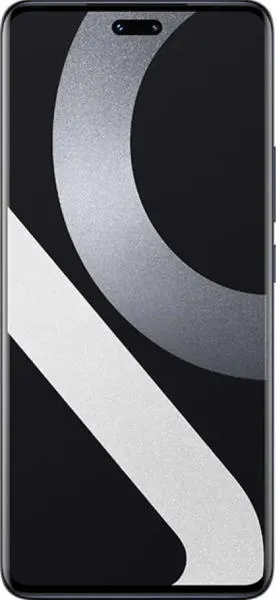
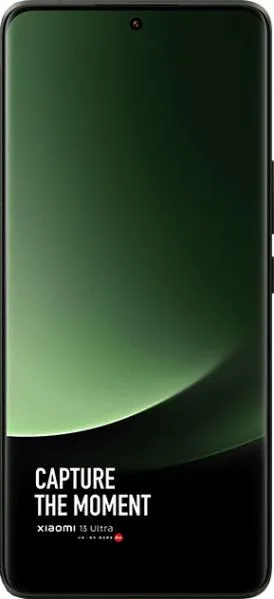
| Feature | Xiaomi 13 Lite | Xiaomi 13 Ultra | Practical Impact |
|---|---|---|---|
| Design | |||
| Dimensions (mm) | 159.2 x 72.7 x 7.2 | 163.2 x 74.6 x 9.1 | 13 Ultra is larger and noticeably thicker. Lite is more pocketable. |
| Weight (g) | 171 | 227 | 13 Ultra is significantly heavier, potentially tiring for extended use. |
| Display | |||
| Size (inches) | 6.55 | 6.73 | 13 Ultra offers a slightly larger viewing area. |
| Resolution | 1080 x 2400 | 1440 x 3200 | 13 Ultra has a sharper display with more detail. |
| Type | AMOLED | LTPO AMOLED | Both offer vibrant colors and deep blacks. LTPO on the 13 Ultra allows for dynamic refresh rate adjustment, saving battery. |
| Peak Brightness (nits) | 1000 | 2600 | 13 Ultra is vastly brighter, crucial for outdoor visibility. |
| Refresh Rate (Hz) | 120 | 120 | Both offer smooth scrolling and animations. |
| Performance | |||
| Chipset | Snapdragon 7 Gen 1 | Snapdragon 8 Gen 2 | 13 Ultra boasts significantly faster CPU and GPU, enabling smoother multitasking and demanding gaming. |
| RAM (GB) | 8 | 12/16 | More RAM in the 13 Ultra allows for more apps to run in the background without reloading. |
| OS | Android 12 | Android 13 | 13 Ultra comes with a newer OS version, potentially offering more features and longer software support |
| Camera | |||
| Main Camera (MP) | 50 (Sony IMX766) | 50 (Sony IMX989) | 13 Ultra uses a larger sensor (1-inch IMX989) capturing more light and detail, especially in low light. |
| Other Cameras | 8MP Wide, 2MP Macro | 50MP Wide+Macro, 50MP Telephoto (x2) | 13 Ultra features a versatile quad-camera system with superior zoom capabilities. |
| Video Recording | Up to 4K@30fps | Up to 8K@24fps | 13 Ultra supports higher resolution video recording. |
| Battery | |||
| Capacity (mAh) | 4500 | 5000 | 13 Ultra offers slightly longer battery life. |
| Fast Charging (W) | 67 | 90 | 13 Ultra charges significantly faster. |
2. Key Differences Analysis
Xiaomi 13 Lite Advantages:
- More Affordable: Significantly lower price point.
- Lighter and More Compact: Easier to handle and carry.
Xiaomi 13 Ultra Advantages:
- Superior Performance: Flagship Snapdragon 8 Gen 2 chip for smooth, lag-free experience.
- Exceptional Camera System: Versatile quad-camera setup with a large 1-inch sensor and advanced zoom capabilities.
- Brighter and Sharper Display: Improved outdoor visibility and more detailed content.
- Faster Charging: Reduces downtime.
- More RAM: Better Multitasking
3. User Profiles & Recommendations
Xiaomi 13 Lite:
- Budget-conscious users: Prioritize affordability over top-tier specs.
- Casual users: Primarily use their phone for social media, browsing, and light gaming.
- Users who value portability: Prefer a lighter and more compact device.
Xiaomi 13 Ultra:
- Power users: Demand top-notch performance for demanding tasks and gaming.
- Photography enthusiasts: Prioritize a high-quality camera system for capturing stunning photos and videos.
- Users who consume a lot of media: Benefit from the larger, brighter, and sharper display.
4. Decision Framework
Key Questions:
- What is your budget? The 13 Ultra is significantly more expensive.
- What are your primary phone usage patterns? (e.g., photography, gaming, social media).
- Do you prioritize portability or performance?
Scenario-Based Recommendations:
- Limited budget, casual usage: Xiaomi 13 Lite
- Demanding tasks, gaming, photography: Xiaomi 13 Ultra
- Balanced needs, good value: Consider other options in the mid-range segment that might offer a better balance.
My Choice: Xiaomi 13 Ultra
While the Xiaomi 13 Lite is a compelling option for its price, I would choose the Xiaomi 13 Ultra. The significant improvements in performance, camera quality, and display make it a worthwhile investment for me. The superior camera system with its versatile lenses and the 1-inch sensor is a major deciding factor. I often use my phone for photography and value having a device that can capture high-quality images in various situations. While the higher price is a consideration, the long-term benefits of a more powerful and feature-rich device outweigh the initial cost for my usage pattern. The faster charging and larger battery also contribute to a more convenient user experience. Finally, the brighter display is critical for comfortable outdoor use.
