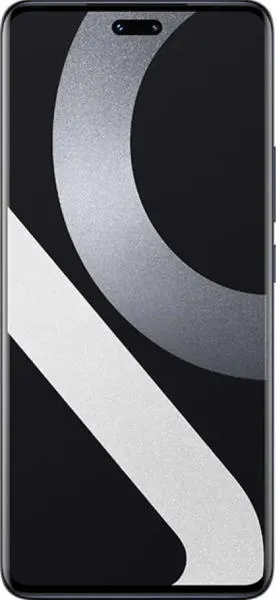

1. Specifications Comparison
| Feature | Xiaomi 13 Lite | vivo X100 Pro | Practical Impact |
|---|---|---|---|
| Design | |||
| Dimensions (mm) | 159.2 x 72.7 x 7.2 | 164.1 x 75.3 x 8.9 | X100 Pro is larger and noticeably thicker. |
| Weight (g) | 171 | 221 | X100 Pro is significantly heavier (50g). Impacts one-handed use and pocket comfort. |
| Display | |||
| Size (inches) | 6.55 | 6.78 | X100 Pro offers a larger screen for media consumption. |
| Resolution | 1080 x 2400 | 1260 x 2800 | X100 Pro has a sharper display (higher pixel density). |
| Type | AMOLED | LTPO AMOLED | Both offer vibrant colors and deep blacks. LTPO on X100 Pro allows for dynamic refresh rate, saving battery. |
| Refresh Rate (Hz) | 120 | 120 | Both offer smooth scrolling and animations. |
| Peak Brightness (nits) | 1000 | 3000 | X100 Pro is significantly brighter, crucial for outdoor visibility. |
| Performance | |||
| Chipset | Snapdragon 7 Gen 1 | Dimensity 9300 | Dimensity 9300 offers flagship-level performance, significantly faster than the 7 Gen 1. |
| CPU | Octa-core (1x2.4 GHz A710 & 3x2.36 GHz A710 & 4x1.8 GHz A510) | Octa-core (1x3.25 GHz X4 & 3x2.85 GHz X4 & 4x2.0 GHz A720) | Dimensity 9300 has a more powerful CPU architecture, resulting in faster app loading, smoother multitasking, and better gaming performance. |
| GPU | Adreno 644 | Immortalis-G720 MC12 | Immortalis-G720 is a more powerful GPU, delivering significantly better gaming and graphics performance. |
| RAM (GB) | 8 | 16 | More RAM on X100 Pro allows for better multitasking and smoother performance with demanding apps. |
| Camera | |||
| Main Camera (MP) | 50 (Sony IMX766) | 50 (Sony IMX989) | X100 Pro utilizes a larger sensor (1-inch IMX989) for superior low-light performance and depth of field. |
| Ultrawide (MP) | 8 | 50 | X100 Pro has a much higher resolution ultrawide, capturing more detail. |
| Telephoto | No dedicated telephoto | 50MP Telephoto + Macro | X100 Pro offers optical zoom and macro capabilities missing on the 13 Lite. |
| Video | Up to 4K@30fps, 720p@960fps | Up to 8K@30fps | X100 Pro offers higher resolution video recording. Both have slow-motion capabilities. |
| Battery | |||
| Capacity (mAh) | 4500 | 5400 | Larger battery in X100 Pro should provide longer battery life. |
| Fast Charging (W) | 67 | 100 | X100 Pro charges significantly faster. |
2. Key Differences Analysis
Xiaomi 13 Lite Advantages:
- Lighter and more compact: Easier for one-handed use and pocket portability.
- Lower price: Offers good value for its features.
vivo X100 Pro Advantages:
- Significantly better performance: Dimensity 9300 and 16GB RAM provide a flagship-level experience.
- Superior camera system: Larger main sensor, high-resolution ultrawide, dedicated telephoto lens, and 8K video recording.
- Brighter and more advanced display: LTPO AMOLED with 3000 nits peak brightness.
- Larger battery and faster charging: Longer battery life and quicker charging times.
3. User Profiles & Recommendations
Xiaomi 13 Lite:
- Budget-conscious users: Prioritize affordability without sacrificing essential features.
- Users who value lightness and compactness: Important for comfortable one-handed use.
- Light users: Primarily use their phone for social media, browsing, and casual photography.
vivo X100 Pro:
- Power users: Demand top-tier performance for gaming, multitasking, and demanding applications.
- Photography enthusiasts: Prioritize a versatile and high-quality camera system.
- Users who consume a lot of media: Benefit from the larger, brighter, and sharper display.
4. Decision Framework
Key Questions:
- What is your budget? The X100 Pro is significantly more expensive.
- What are your primary phone usage patterns? (Gaming, photography, social media, etc.)
- Do you prioritize performance, camera quality, or portability?
Scenario-Based Recommendations:
- Limited budget, casual usage: Xiaomi 13 Lite.
- Demand high performance and best camera: vivo X100 Pro.
- Balance of features and affordability: Consider other options within the same price range as the 13 Lite with potentially better cameras or performance.
My Choice: vivo X100 Pro
While the Xiaomi 13 Lite offers good value, the vivo X100 Pro is the superior device overall. The significant jump in performance, the vastly improved camera system (especially the larger sensor and telephoto lens), the brighter and more advanced display, and the larger battery with faster charging make it a compelling choice. The higher price is justified by the substantial upgrades. I prioritize performance and camera quality, and the X100 Pro delivers in those areas while still offering a great display and battery life. The extra weight and size are acceptable trade-offs for the significant performance and feature advantages.
